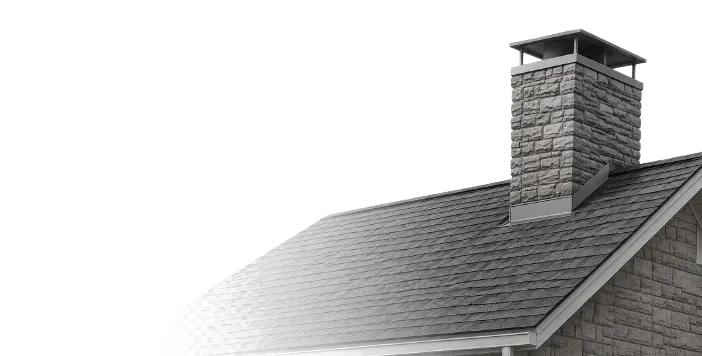

Do Pellet Stoves Need a Chimney?


The short answer is no. A pellet stove does not require a traditional chimney. It uses a vent pipe instead. That said, every pellet stove still needs to push exhaust air to the outside.
How Pellet Stove Venting Works
A pellet stove burns compressed wood pellets. It uses a built-in fan to pull in fresh air and push exhaust out. That exhaust gas must leave your home safely. A vent pipe or exhaust pipe carries it outside. This is different from a wood-burning fireplace, which depends on a full masonry chimney.
Pellet stove venting runs through a wall or a roof. The pipe is much smaller than a chimney flue. Most vent pipes are 3 to 4 inches in diameter.
Vent Pipe vs. Traditional Chimney
A traditional chimney works through natural draft. Hot air and smoke rise up and out through the flue on their own. A pellet stove does not rely on natural draft. It has an internal blower that forces exhaust through the vent pipe.
This is why pellet stove venting requirements are different from those of a wood stove. You do not need masonry. You do not need a tall chimney. A short approved vent pipe is usually all that is required.
If you are choosing between chimney constructions for a different appliance, the masonry vs. prefab comparison covers the tradeoffs.

Direct Vent Pellet Stoves
Many pellet stoves use a direct vent system. A direct vent pellet stove pulls fresh air in from outside and sends exhaust out at the same time. It uses two channels: one for intake air and one for exhaust.
With a direct vent setup, you run the stove vent pipe through an exterior wall. This means no chimney is needed at all. It is one of the most common ways to install a pellet stove without a chimney.
Can a Pellet Stove Use an Existing Chimney?
Yes. A pellet stove can use an existing chimney. But there are rules. You cannot connect a pellet stove directly to an open masonry flue. A pellet stove chimney liner must be installed inside the existing chimney first.
The liner protects the chimney from corrosive exhaust. Pellet stove exhaust contains moisture and mild acids. Without a liner, that exhaust damages old masonry over time.
A chimney professional should inspect the existing chimney before anything else. They will confirm the chimney is in safe condition and the liner is sized correctly for the stove.
How to Vent a Pellet Stove Without a Chimney
No chimney? That is not a problem. There are two main options for pellet stove venting.
Through the Wall
The exhaust pipe exits through an exterior wall. This is common with direct vent pellet stoves. The pipe runs horizontally or at a slight upward angle. It must exit in a location that meets local code requirements.
Through the Roof
The vent pipe runs vertically through the roof. This is less common for pellet stoves. It works well when a wall exit is not possible due to layout or obstacles.
Both options require approved vent pipe materials. Check your stove manual and local building codes before any installation work begins.
Pellet Stove Venting Requirements and Rules
Pellet stove venting has specific requirements. Here are the basics most installations must follow.
Use Approved Pipe Only
Most manufacturers require their own brand of vent pipe. Using the wrong pipe can void your warranty and create a safety problem.
Follow Clearance Rules
The vent pipe must stay a set distance from combustible materials like wood framing. Your stove manual will list the exact measurements.
Cap the Exhaust
The pipe needs a weather cap on the outside. This keeps rain, animals, and debris out of the exhaust pipe.
Check Local Codes
Some areas have extra requirements for pellet stove installation. A permit may be required before you start.
Do You Need a Chimney Liner for a Pellet Stove?
If you are venting through an existing masonry chimney, yes. A chimney liner is required. Pellet stoves produce wet, acidic exhaust that can corrode an unlined flue quickly.
If you are running a vent pipe through a wall or roof, a liner is not needed. The vent pipe itself serves as the full exhaust pathway.
Know Your Venting Options
A pellet stove is a practical heating option for homes with or without a chimney. The key requirement is not a chimney. It is a proper venting path to the outside. Whether you run a vent pipe through a wall, use a direct vent system, or connect to an existing chimney with a liner, the goal is the same. Exhaust needs a safe, clear route out of your home.
If you are unsure how your pellet stove is vented or whether your existing chimney can handle the connection, get it checked before you burn.
A venting problem that looks minor can become a safety issue quickly. And if the stove is not in yet — a pellet unit, its vent pipe, and the clearances are all part of what a professional stove installation covers.
The team at Brown Chimney can inspect your setup, assess your existing chimney, and make sure everything is in order.
Weighing a pellet stove against a fireplace? The Osburn 2500 pellet package runs $15,595 fully installed — the calculator prices every unit we carry. Book your appointment today to get started.
Frequently Asked Questions
Do pellet stoves need a vent?
Yes. All pellet stoves must vent exhaust to the outside. They use a vent pipe or exhaust pipe rather than a traditional chimney.
Can I run my pellet stove into my fireplace chimney?
Yes, but only with a proper chimney liner installed inside the flue. Running it into an open chimney without a liner is not safe or code compliant.
Do pellet stoves need a chimney liner?
Only if you are using an existing masonry chimney. A liner protects the flue from corrosive exhaust and is required for safe operation.
How do you vent a pellet stove without a chimney?
You can run the exhaust pipe through an exterior wall or through the roof. Direct vent pellet stoves are designed for exactly this type of installation.
Do pellet stoves need to be vented outside?
Yes. Pellet stoves must always vent to the outside. Indoor venting is not allowed and creates a serious safety risk.
Do pellet stoves need a chimney?
No. Pellet stoves do not require a traditional chimney. A short vent pipe through a wall or roof is usually all that is needed.
Can a pellet stove use an existing chimney?
Yes, with a chimney liner installed. A professional should inspect the chimney and fit the correct liner before connecting a pellet stove.




RELATED ARTICLS

Schedule an Inspection Now
with expert chimney care.