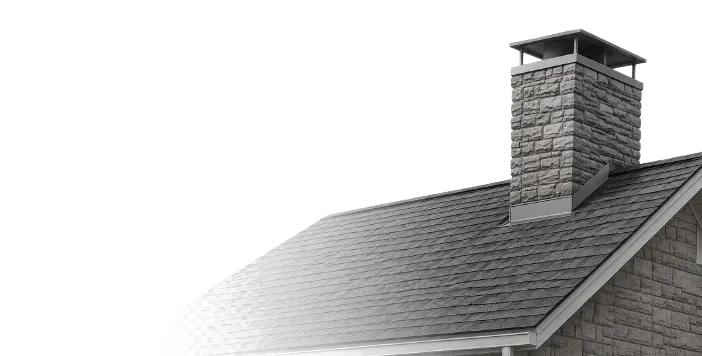

How to Install a Chimney Cap


Installing a chimney cap is a job many homeowners can handle themselves. This guide walks through how to measure your flue, choose the right cap, and attach it properly. However, if your chimney is steep, unusually tall, or difficult to access safely, that's a job best left to a professional. The team at Brown Chimney handles cap installations across all of our service areas and can make sure the job gets done safely and correctly.
Safety Before You Start
You will be working on your roof. Use a sturdy ladder rated for your weight. Wear non-slip shoes. Do not work in wet or windy conditions. If the pitch of your roof makes roof access unsafe, call a chimney professional. No chimney cap installation is worth a fall.
Let the fireplace cool completely before going on the roof. Never step on the chimney itself.
What You Will Need
Before you climb up, gather everything you need so you are not making extra trips.
Tools
You will need a tape measure, a flat head screwdriver or nut driver, work gloves, and a caulking gun if your cap requires sealant.

Materials
You will need the chimney cap itself, high-temperature silicone sealant or furnace cement if required by the cap type, and stainless steel sheet metal screws if they are not included with the cap.
Step 1: Measure the Chimney Flue
Getting the measurement right is the most important part of this job. A cap that does not fit will leak or fall off.
Measure the outside dimensions of your flue tile or the inside of the chimney top, depending on the cap style you plan to use. Most caps fit over the outside of the flue tile. Measure the length and width of the flue opening at the top of the chimney.
Write down both measurements before you come down from the roof. Flue sizes are not always standard. Common sizes include 8 by 8, 8 by 13, 13 by 13, and 13 by 18 inches, but your flue may differ. Always measure before ordering a cap.
Round Flues
For a round chimney cap, measure the inside diameter of the flue opening. Round flue caps are common on prefab fireplaces and some factory-built chimneys. The cap slides into the flue opening and locks in place from inside.
Multiple Flues
If your chimney has more than one flue, you have two options. You can cap each flue individually with a single-flue cap. Or you can install one large outside-mount cap that covers the entire chimney top. An outside-mount cap is measured across the full chimney top, not just the flue.
Step 2: Choose the Right Chimney Cap

Chimney caps come in several styles and materials. The right one depends on your flue type, chimney top, and how much you want to spend.
Single-Flue
This slides over or into one flue tile. It is the most common cap for brick chimneys with a single fireplace. It fits snugly over the outside of the flue and is held in place with screws or set bolts.
Outside-Mount Cap
This type sits over the entire chimney top rather than just the flue. It works well on chimneys with multiple flues or on chimneys where the crown is damaged and needs extra coverage. It attaches to the sides of the chimney with masonry anchors or screws.
Round Cap
Round caps are used on round flue pipes, common in prefab or metal chimneys. They slide into the flue opening and lock in from the inside with set screws.
Material Options
Galvanized steel caps are the least expensive but can rust over time. Stainless steel caps last longer and resist rust better. Copper caps are the most durable option and develop a natural patina over time. For most homeowners, stainless steel is a practical choice that holds up well without requiring frequent replacement.
Step 3: Install the Chimney Cap on a Brick Chimney
Once you have the right cap in hand, go back to the roof with your tools. Here is how to attach the chimney cap.
Slip-In Style Caps
These are the most straightforward to install. Slide the cap over the top of the flue tile. The cap should sit flush around the outside of the flue with the mesh sides hanging down. Tighten the set screws evenly on each side until the cap is snug. Do not overtighten on older or fragile flue tile.
Screw-Mount Caps
Some caps attach with sheet metal screws through the cap base into the flue tile. Place the cap over the flue and mark the screw hole positions. Use a masonry drill bit to pre-drill if needed. Drive the screws to hold the cap firmly in place.
Outside-Mount Caps
Position the cap over the chimney top and center it. Mark the anchor points on the sides of the chimney. Pre-drill with a masonry bit. Use masonry anchors and screws to secure each side. Apply a bead of high-temperature silicone sealant around the base where the cap meets the chimney top to seal out water.
How to Install a Chimney Cap Without a Flue
Some chimneys have deteriorated flue tiles or no tile at all. In this case, an outside-mount cap is the right choice. It attaches to the chimney top itself rather than the flue. Measure the full chimney top opening, choose a cap with an appropriate mesh screen, and secure it to the masonry using masonry anchors.
If you are unsure about the condition of your flue or chimney top, Brown Chimney can inspect and handle the installation for you.
Step 4: Check the Fit and Seal
Once the cap is attached, check that it sits level and is not rocking. Tug it gently to confirm it is secure. If you applied sealant, smooth the bead with a gloved finger and let it cure before using the fireplace.
Check that the mesh screen on the sides is intact with no holes or gaps. Mesh keeps animals and large debris out while still allowing exhaust to escape. Standard mesh openings are around 5/8 inch, which meets most local codes for spark arrestor requirements.
If animals are the reason you're capping the flue in the first place, the mesh is only half the battle — here's what actually keeps raccoons, birds, and squirrels out for good.
When to Call a Professional
Installing a chimney cap yourself is reasonable on a single-story home with a walkable roof pitch and a straightforward single-flue chimney. In other situations, it makes more sense to call a chimney professional.
Consider calling a pro if your chimney is on a steep roof, if the chimney top is in poor condition and needs work before a cap can be installed, if you have an unusual flue shape or size, or if you are not comfortable working at height.
A chimney professional will also inspect the cap and crown during a routine chimney service visit, so if you are already due for an inspection or cleaning, it often makes sense to have them handle the cap at the same time.
Book your chimney cap installation with Brown Chimney. Every job is handled by a trained crew that inspects the full chimney top, not just the cap. Schedule online to get started.
Frequently Asked Questions
Can I install my own chimney cap?
Yes, for most standard single-flue chimneys on accessible roofs. If the roof pitch is steep or the chimney top is in poor condition, a professional installation is the safer choice.
How do you attach a chimney cap?
Most caps attach with set screws that tighten against the outside of the flue tile, or with sheet metal screws driven into the flue or chimney top. Outside-mount caps use masonry anchors secured to the sides of the chimney.
What is the 3 to 10 rule for chimneys?
The chimney must extend at least 3 feet above the point where it passes through the roof, and must be at least 2 feet taller than any part of the roof within 10 feet of it. This rule applies to chimney height, not cap installation specifically.
How much does it cost to put a cap on your chimney?
A standard single-flue cap installed runs $375 in 2026, or up to $549 if your roof is hard to access. Custom multi-flue caps are priced by size and start around $1,500. Price your exact cap install in 30 seconds — the same numbers our techs quote on-site.
Do roofers put on chimney caps?
Some roofers will install a basic chimney cap, but chimney professionals are better suited for this work. They can assess the flue, crown, and chimney top at the same time and recommend the right cap for your situation.
What kind of chimney cap is best?
Stainless steel caps are a strong choice for most homeowners. They resist rust, last many years, and are available in styles that fit most chimney types.
What happens if you don't have a chimney cap?
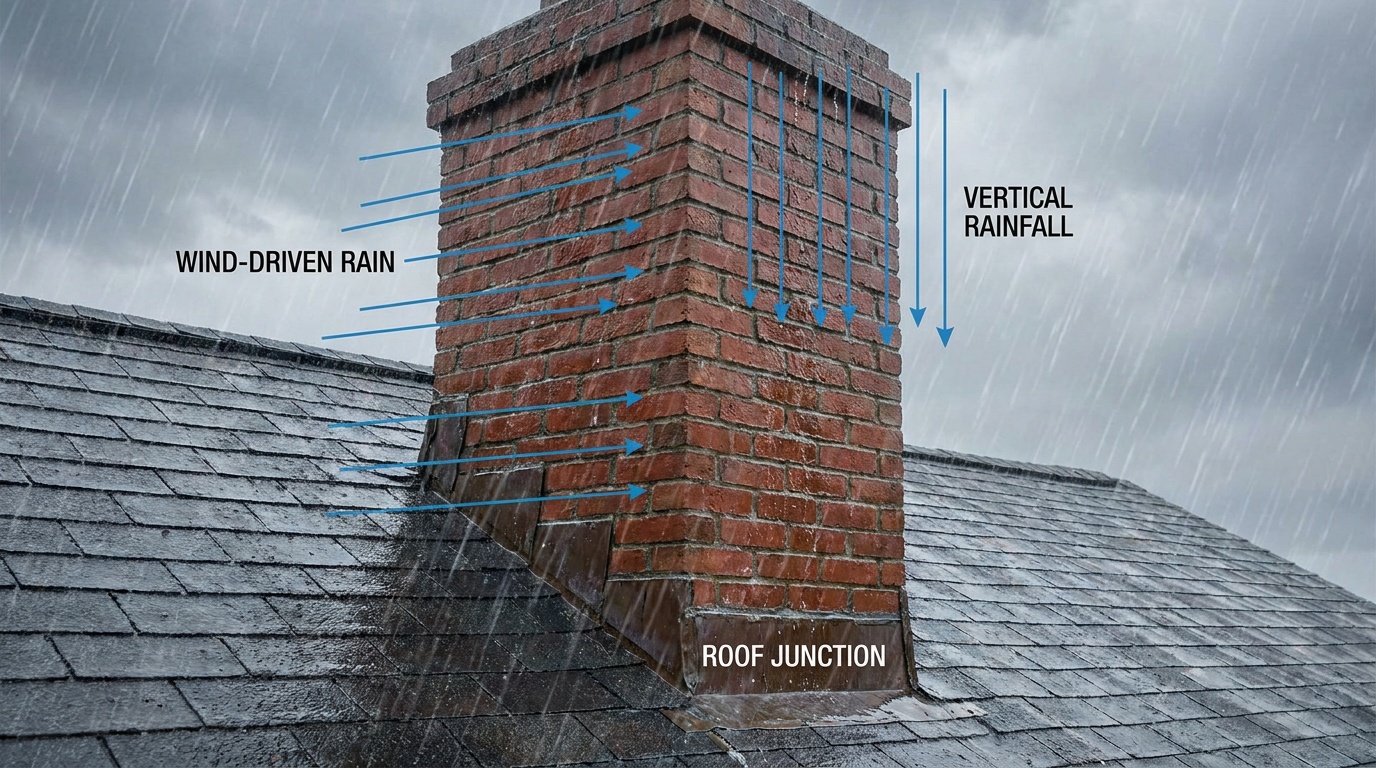
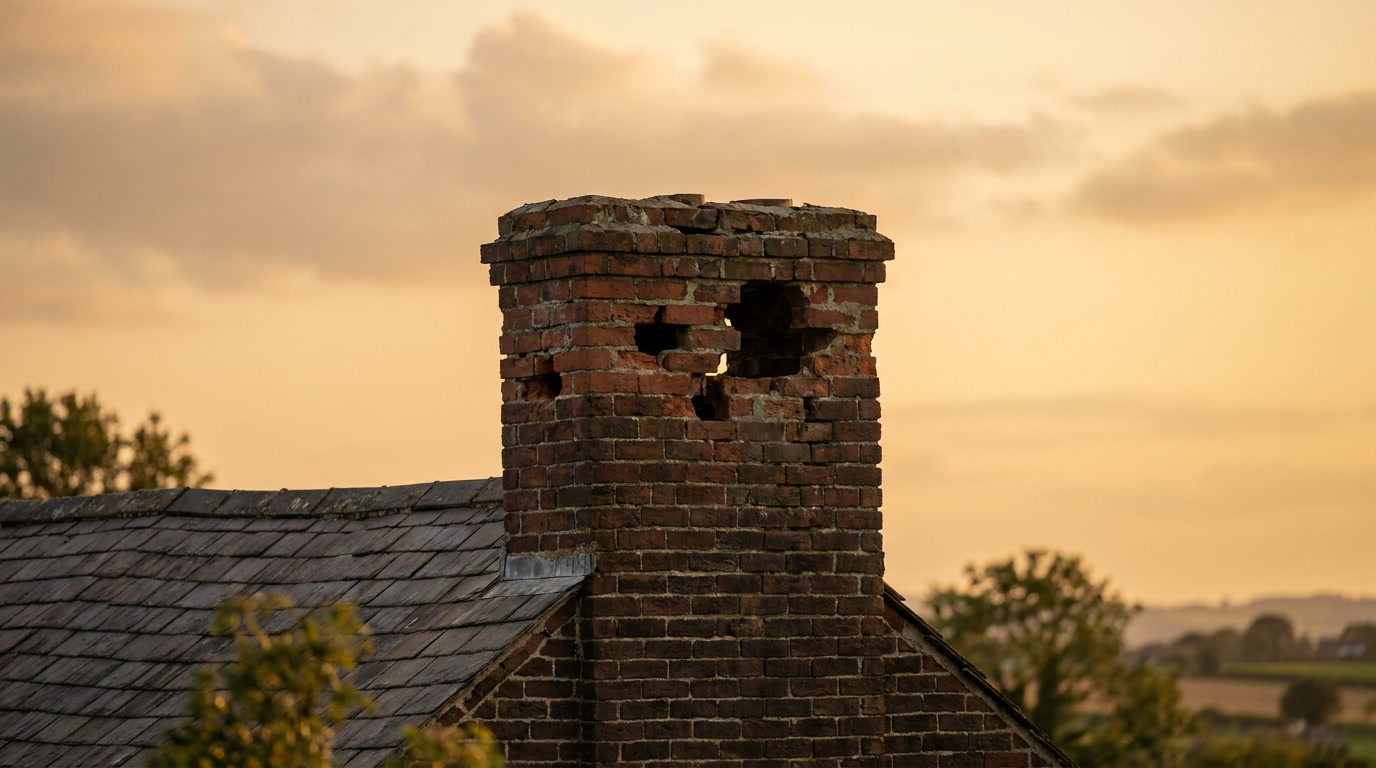
Without a cap, rain enters the flue every time it rains, accelerating damage to the liner, damper, and masonry. Animals can nest inside the flue, and debris can block it.
What adhesive do you use on a chimney cap?
High-temperature silicone sealant or furnace cement is used to seal the base of an outside-mount cap to the chimney top. Do not use standard household caulk, as it will break down from heat exposure.
How do you install a chimney cap on a brick chimney?
Measure the flue, select the right cap style, slide or set it over the flue tile, and tighten the set screws or drive the mounting screws until the cap is secure. Apply high-temperature sealant at the base if the cap style requires it.
How do you install a chimney cap without a flue?
Use an outside-mount cap that attaches directly to the chimney top. Secure it with masonry anchors and apply high-temperature sealant around the base to keep water out.




RELATED ARTICLS

Schedule an Inspection Now
with expert chimney care.