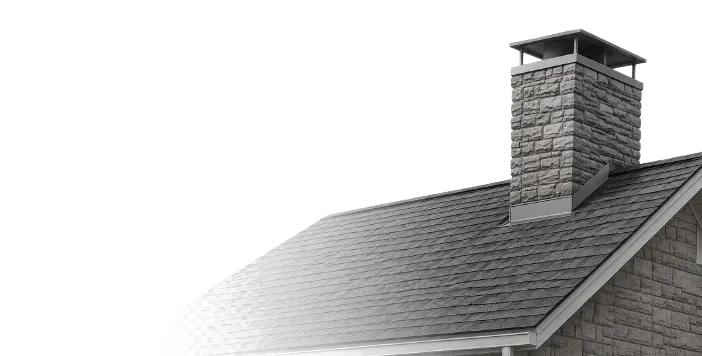

Types of Fireplace Dampers: What They Are and How They Work


In this guide, Brown Chimney helps you understand the different types of fireplace dampers. This helps you to know what to look for when something goes wrong, what your options are for repair or replacement, and why one type might work better for your chimney than another.
What Is a Fireplace Damper?
A fireplace damper is a movable plate or seal inside the chimney system. Its job is to open and close the passage between the firebox and the flue. When you are burning a fire, the damper stays open so smoke and exhaust can exit through the chimney. When the fireplace is not in use, the damper closes to keep cold air, animals, and rain from coming in.
A damper that does not seal well wastes energy. Heated or cooled air escapes up the chimney whenever the fireplace is not in use. A damaged or stuck damper can also cause smoke to back up into the room when the fireplace is in use.
What Does a Fireplace Damper Look Like?
The appearance depends on the type. A throat damper sits just above the firebox opening. It looks like a flat metal plate with a handle or pivot mechanism. You can usually see it by looking up into the firebox from below.
A top-mount damper sits at the very top of the chimney flue. From inside, you operate it with a cable or chain that runs down through the flue to a hook or handle near the firebox. From outside, it looks like a metal cap with a rubber or silicone gasket seal around the flue opening.
Throat Damper
The throat damper is the most common type found in older masonry fireplaces. It sits at the base of the flue, just above the firebox opening. This location is called the throat of the chimney, which is where the name comes from.
How It Works
A throat damper has a metal plate that rotates on a pivot. You open and close it using a handle, lever, or rotary control inside the firebox. When open, it allows smoke and combustion gases to rise up the flue. When closed, it blocks the opening.
Common Problems
Throat dampers are exposed to direct heat from every fire. Over time the metal warps, the pivot mechanism corrodes, and the seal deteriorates. A warped throat damper rarely closes completely. Even a small gap lets cold air pour in during winter and conditioned air escape in summer.
Rust is also a common issue. Moisture from rain and condensation sits in the firebox area and accelerates corrosion on the damper plate and frame. A rusted throat damper may stick open or closed and can be difficult to operate.
Repair or Replace
A throat damper that no longer seals properly can sometimes be repaired. In many cases replacement makes more sense, especially if the existing damper is heavily corroded. One option is to install a top-mount damper in place of the throat damper. The old throat plate is removed or locked open, and the new top-mount unit takes over the job of sealing the flue.
If your throat damper needs repair or replacement, our experts at Brown Chimney can help provide professional damper repair and replacement. Contact us today to book a service.
Top-Mount Damper
A top-mount damper, also called a top-sealing damper or chimney damper, sits at the very top of the flue rather than at the throat. It seals the chimney from the outside rather than from inside the firebox.
How It Works
A top-mount damper uses a rubber or silicone gasket to seal the flue opening at the chimney top. A stainless steel cable runs from the damper down through the flue to a hook or tension rod mounted near the firebox. Pulling the cable opens the damper. Releasing and latching it closed seals the top of the flue.
Advantages Over a Throat Damper.
Top-mount dampers seal much more tightly than throat dampers. The gasket creates an airtight closure at the top of the flue, which eliminates the air leakage that is common with worn throat dampers. They also act as a chimney cap, keeping rain, animals, and debris out of the flue at the same time.
Because the top-mount damper is not exposed to direct firebox heat, it tends to last longer than a throat damper. The cable mechanism is also straightforward to operate and rarely causes problems.
Installation
Top-mount dampers are installed at the top of the chimney. The unit mounts onto the flue tile or the chimney crown. A chimney professional can install one in a standard service visit. If your throat damper has failed, a top-mount damper is a common and practical replacement.
Fireplace Damper vs Chimney Damper
These two terms are often used to describe the same thing, but there is a distinction worth knowing. A fireplace damper typically refers to a throat damper located inside the firebox system. A chimney damper more often refers to a top-mount damper located at the chimney top.
Both serve the same purpose: controlling airflow through the flue. The difference is where they sit and how they seal. A throat damper controls airflow from inside. A top-mount chimney damper controls it from outside at the top of the flue.
Damper Types for Gas Fireplaces
Gas fireplaces handle dampers differently than wood-burning ones. Most vented gas fireplaces require that the damper remain permanently open to allow combustion gases to exit. Installing a tight-sealing top-mount damper on a vented gas fireplace without a clamp or permanent open device is not safe.
Many gas fireplace installations use a damper clamp, which is a small metal bracket that holds the throat damper open at a fixed position. This ensures the flue is never accidentally sealed while the gas appliance is in use.
If you have a gas fireplace and are unsure whether your damper is set up correctly, have a chimney professional check it.
A damper stuck in the wrong position is also one of the airflow restrictions that make a gas fireplace shut itself off mid-burn — the high-limit switch reads trapped heat and cuts the gas.
What Is a Fireplace Damper Clamp?

A fireplace damper clamp is a metal device that holds a throat damper open at a set position. It is required by code in most areas when a gas appliance is connected to a wood-burning fireplace chimney. The clamp prevents the damper from being closed completely, which would trap exhaust gases inside the home.
Damper clamps are inexpensive and easy to install. They attach to the damper frame and hold the plate at a minimum open position, typically around one inch. If you have converted a wood-burning fireplace to gas and the damper does not have a clamp, one needs to be installed.
How Does a Fireplace Damper Work Day to Day?
The basic operation is simple. Before lighting a fire, open the damper fully. You can confirm it is open by looking up into the firebox and feeling for airflow. After the fire is completely out and the ashes are cold, close the damper.
Never close the damper while a fire is still burning or while coals are still hot. Closing the damper traps carbon monoxide inside the home. This is a serious safety risk.
If your damper is hard to operate, sticks, or does not seem to close fully, have it inspected. A damper that does not work correctly affects both safety and energy efficiency.
Know Your Damper Before Something Goes Wrong
A fireplace damper is a simple part with an important job. Whether you have a throat damper in an older masonry fireplace or a top-mount damper on a newer system, keeping it in good working order matters for both safety and efficiency. A damper that does not seal properly lets energy out year-round. One that sticks closed can back smoke into your home.
If your damper is warped, rusted, or hard to operate, it is worth addressing sooner rather than later.
A top-mount damper replacement is a straightforward upgrade that improves sealing and adds the function of a chimney cap at the same time.
If the damper is failing on a unit that's already past its prime, weigh the repair against what a new fireplace costs fully installed before you spend on parts.
Book a chimney inspection with Brown Chimney and let our team check your damper and the full system. Contact us today to get started.
Frequently Asked Questions
What are the different types of dampers for fireplaces?
The two main types are throat dampers, which sit just above the firebox, and top-mount dampers, which seal the flue at the chimney top. Both control airflow but work from different positions in the chimney system.
What are the three main types of dampers?
In residential chimneys, the three common types are throat dampers, top-mount dampers, and poker-style dampers, which are a variation of the throat damper operated by a long rod. Top-mount and throat dampers are the most widely used.
What is the 2/10 rule for fireplaces?
The 2/10 rule states that the chimney must extend at least 2 feet above any part of the roof within 10 feet of it. This is a height requirement for proper draft, not a damper rule specifically.
What is the difference between Type B and Type C fire dampers?
Type B and Type C fire dampers are commercial and HVAC classifications, not residential fireplace damper types. For home fireplaces, the relevant distinction is between throat dampers and top-mount dampers.
Does a fire burn hotter with the damper open or closed?
Open. An open damper allows more airflow into the firebox, which feeds the fire more oxygen and produces a hotter burn. Never close the damper while a fire is burning.
Can a barometric damper reduce creosote?
A barometric damper regulates draft in oil and gas heating systems, not wood fireplaces. For wood-burning fireplaces, creosote reduction comes from burning dry seasoned wood, maintaining good draft, and scheduling regular chimney cleaning.
What is a fireplace damper?
A fireplace damper is a movable plate or seal inside the chimney that controls airflow between the firebox and the outside. It opens during fires to let smoke out and closes when the fireplace is not in use to block cold air and animals.
What does a fireplace damper look like?
A throat damper looks like a flat metal plate with a handle or lever, visible just above the firebox opening. A top-mount damper looks like a metal cap with a rubber seal at the top of the chimney, connected to a cable that runs down through the flue.
How does a fireplace damper work?
Opening the damper creates a clear path for smoke and exhaust to travel up the flue and out of the home. Closing it seals the chimney opening to stop cold air, animals, and rain from entering when the fireplace is not in use.
What is a fireplace damper clamp?
A damper clamp is a metal bracket that holds a throat damper open at a fixed minimum position. It is required when a gas appliance is connected to a chimney to prevent the damper from being accidentally closed while the gas unit is running.




RELATED ARTICLS

Schedule an Inspection Now
with expert chimney care.