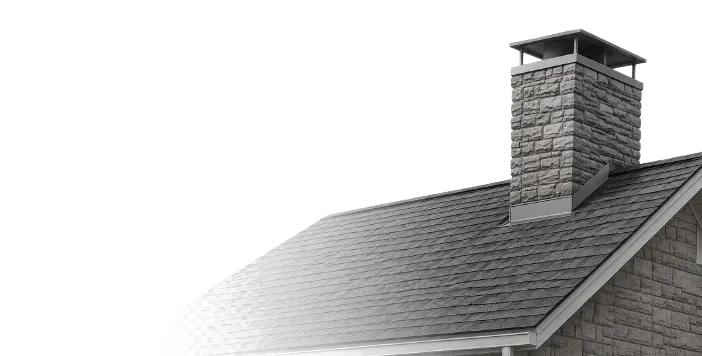

What Is a Chimney Flue and How Does It Work?


When homeowners think about fireplaces or chimneys, they often picture the brick structure on top of the roof. However, the most important component inside the chimney system is the chimney flue.
The chimney flue plays a crucial role in safely directing smoke, gases, and combustion byproducts out of your home. Without a properly functioning flue, fireplaces, furnaces, and wood stoves could expose your home to dangerous gases such as carbon monoxide.
In this guide, we'll explain:
- What a chimney flue is
- How chimney flues work
- Types of chimney flues
- Why chimney flues are essential for safety
- Warning signs of flue problems
- The importance of professional chimney services
What Is a Chimney Flue?

A chimney flue is the vertical passageway inside a chimney that carries smoke, gases, and other combustion byproducts safely out of a home.
Whenever a fireplace, wood stove, or furnace burns fuel, it produces smoke and gases. The flue acts as a ventilation channel, guiding these byproducts from the firebox through the chimney and out into the atmosphere.
Proper installation and maintenance of wood-burning systems are essential for safe operation, according to the U.S. Environmental Protection Agency’s Burn Wise program.
Main Components of a Chimney Flue System

A chimney flue is only one part of a larger chimney system. Several components work together to ensure proper airflow and safe operation.
These components must be regularly inspected to ensure proper function.
Professional services like chimney inspection help identify potential issues before they become dangerous.
How Does a Chimney Flue Work?

A chimney flue works through a natural airflow process called the stack effect.
When a fire burns inside a fireplace:
- The fire heats the air and produces smoke and gases.
- Hot gases rise upward because they are less dense than cold air.
- The chimney flue channels these gases upward.
- The gases exit the chimney above the roofline.
This upward movement creates a draft, which continuously pulls smoke out of the home.
Without proper draft, smoke may enter the living space, which is why regular chimney cleaning is important to maintain clear airflow.
Types of Chimney Flues
Different chimney systems use different types of flues depending on the structure and heating appliance.
Clay Tile Flue Liners

Clay tile liners are commonly used in traditional masonry chimneys.
Advantages:
- Affordable
- Heat resistant
- Long lifespan
However, clay liners may crack over time due to repeated heating and cooling cycles.
Metal Flue Liners

Metal liners are typically made from stainless steel or aluminum.
Benefits include:
- Excellent durability
- Smooth airflow
- Easy installation
- Compatibility with modern appliances
Stainless steel liners are especially common in chimney upgrades.
Cast-in-Place Flue Liners
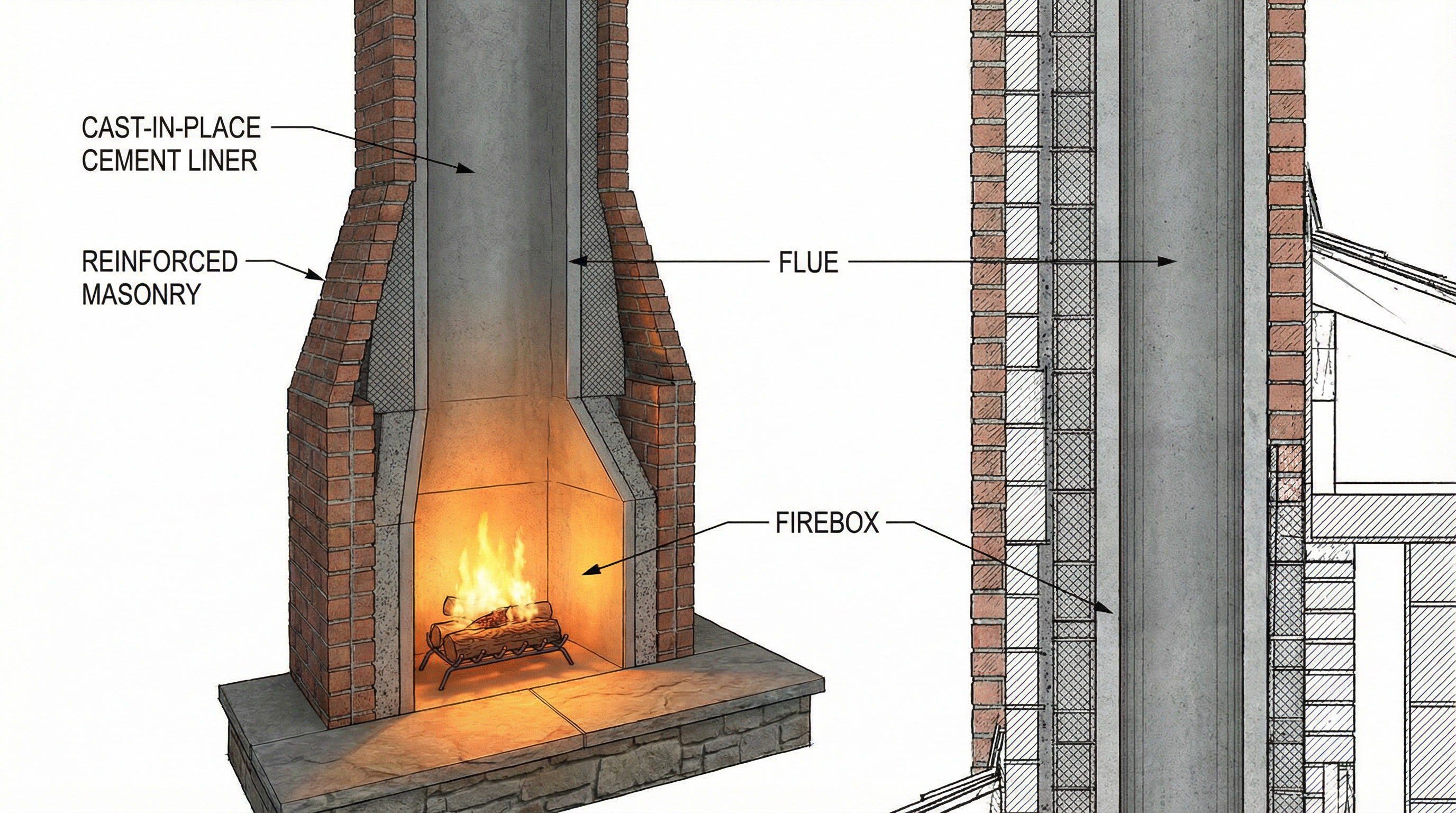
These liners are created by pouring specialized cement material inside the chimney to form a seamless liner.
Advantages:
- Reinforces chimney structure
- Improves insulation
- Long service life
Why Chimney Flues Are Important for Safety
A properly functioning chimney flue protects your home from several potential hazards.
Carbon Monoxide Exposure
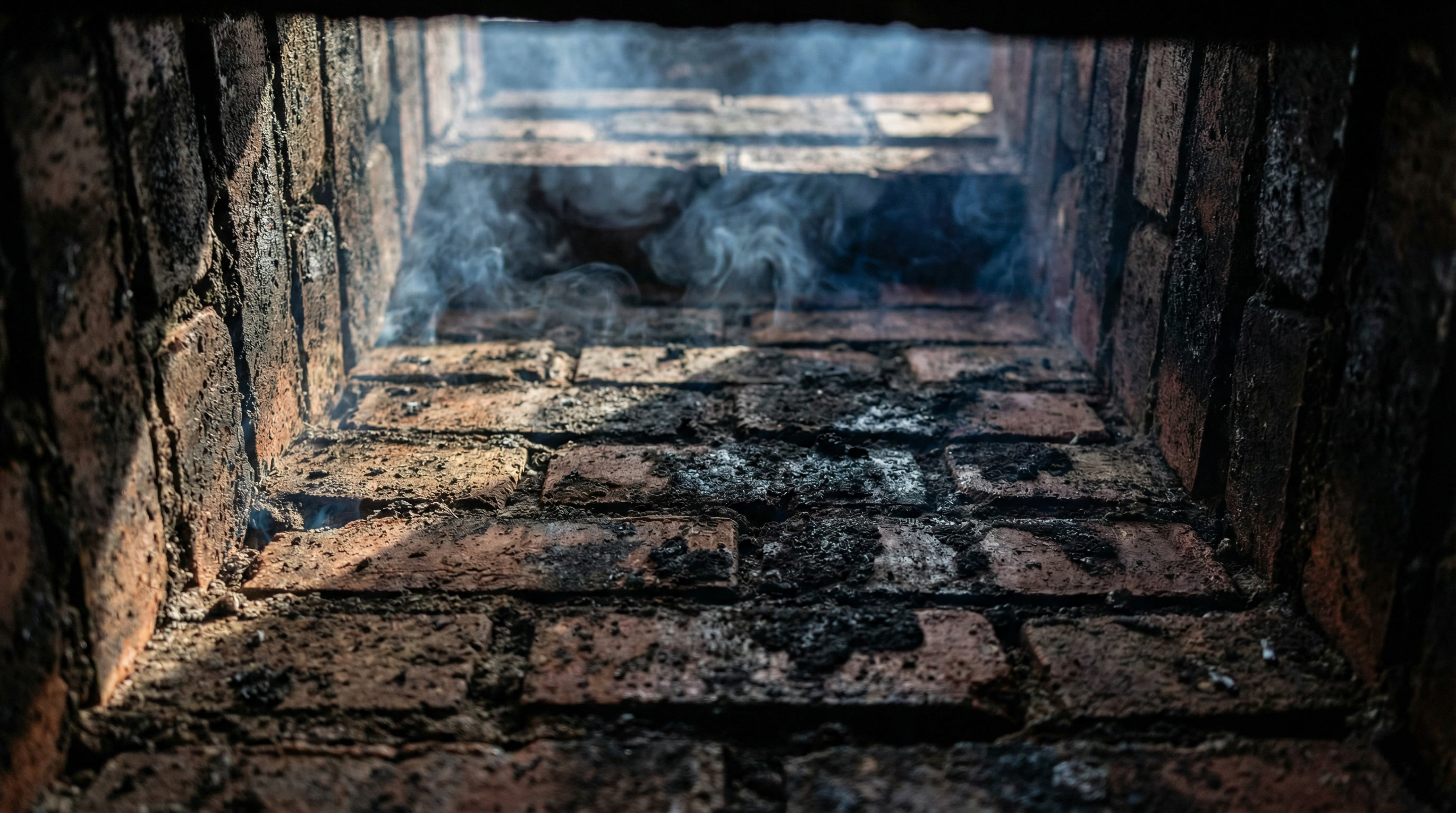
Carbon monoxide is a colorless, odorless gas produced by burning fuels such as wood or gas.
According to the Centers for Disease Control and Prevention (CDC), carbon monoxide poisoning causes hundreds of deaths in the United States each year.
A chimney flue safely vents these gases outside the home.
Chimney Fires

Creosote buildup inside the flue is one of the most common causes of chimney fires.
Creosote forms when smoke condenses inside the chimney walls. Over time, it becomes highly flammable.
Scheduling regular chimney cleaning services helps remove creosote buildup and reduce fire risks.
Water and Debris Damage
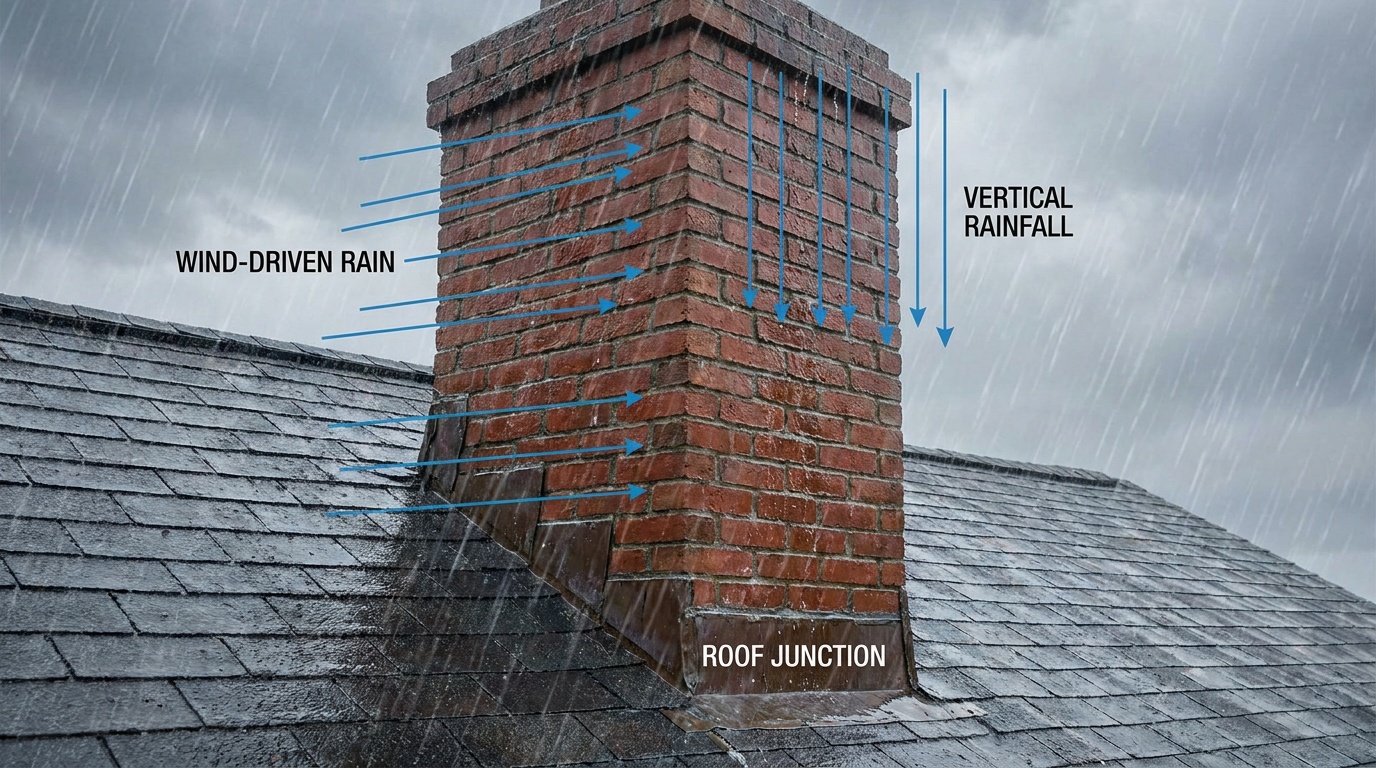
Without proper protection, rain, animals, and debris can enter the chimney flue.
Installing a chimney cap helps prevent these problems and protects the chimney system.
Signs Your Chimney Flue Needs Maintenance
.jpg)
Homeowners should watch for several warning signs that may indicate chimney flue issues.
Common symptoms include:
- Smoke entering the home
- Strong fireplace odors
- Poor fireplace draft
- Excessive soot buildup
- Cracked or damaged flue liners
- Water leaks around the chimney
If any of these signs appear, it's important to schedule a professional chimney inspection — here's what one costs in 2026.
Chimney Maintenance Checklist
.jpg)
Regular maintenance helps extend the life of your chimney system and reduce safety risks.
The National Fire Protection Association (NFPA) recommends that chimneys be inspected at least once per year to ensure safe operation.
Final Thoughts
The chimney flue is one of the most critical components of any fireplace system. It safely directs smoke, gases, and combustion byproducts out of the home while maintaining proper airflow for efficient burning.
Understanding how chimney flues work helps homeowners recognize potential issues early and maintain a safer home environment.
Routine maintenance, including inspections and cleaning, plays a key role in preventing chimney fires, carbon monoxide exposure, and structural damage.
Professional chimney services such as cleaning, inspections, cap installation, chimney removal, and fireplace installation ensure that your chimney system remains safe and efficient for years to come.




RELATED ARTICLS

Schedule an Inspection Now
with expert chimney care.