
Why Does My Gas Fireplace Keep Shutting Off?
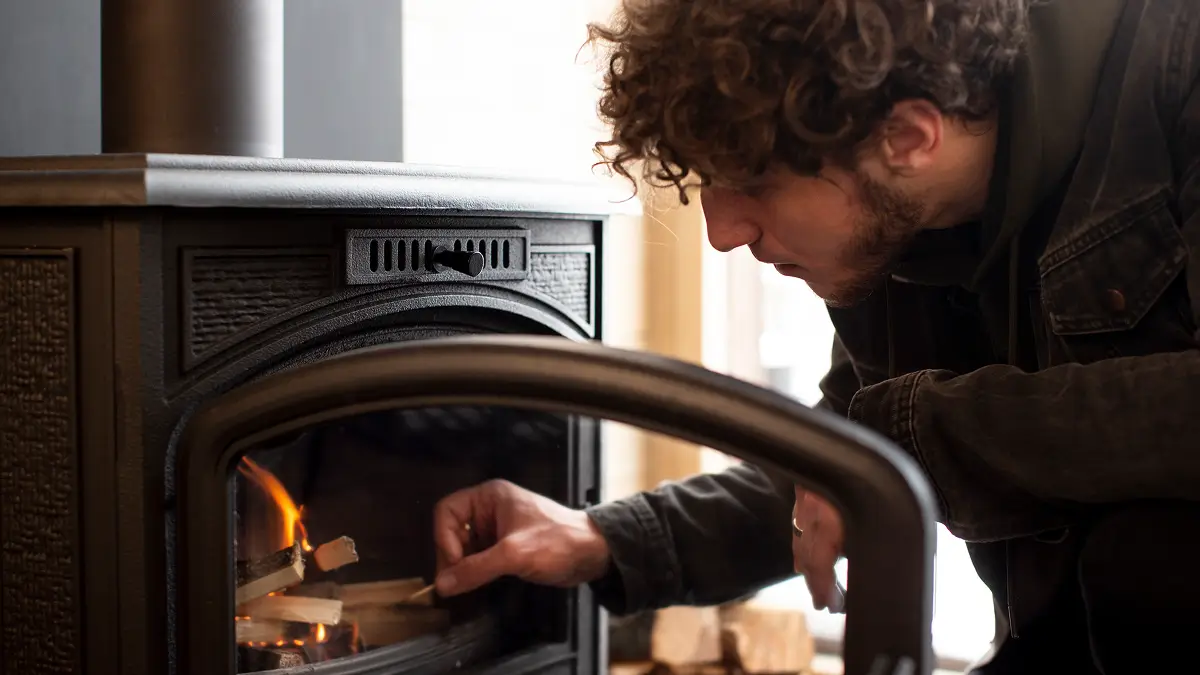


This guide covers the four most common reasons gas fireplaces shut off and what each one means for your next step. Whether the problem started this season or has been happening for a while, the answer is usually closer than you think.
Built to Shut Down for a Reason
Modern gas fireplaces are built with safety features that cut the gas supply the moment something falls outside expected limits. That is good design. It also means why does my gas fireplace keep shutting off has a specific answer, not just a vague "it's getting old."
The most common causes fall into a short list. A dirty thermocouple, a failing pilot light, low gas pressure, and an overheating safety switch each produce the same visible result but need different fixes. Starting with the most likely one saves time and avoids replacing parts that were never the problem.
Reason #1: A Dirty or Failing Thermocouple
The thermocouple is a small metal rod that sits directly in the pilot flame. It generates a tiny electrical signal that tells the gas valve the pilot is on and burning. If that signal drops too low, the valve closes, and the gas fireplace shuts off.
What a Dirty Thermocouple Does to Your Fireplace
A thermocouple coated with soot or residue cannot read the flame accurately. The coating creates enough interference that the signal weakens below the threshold the valve needs to stay open. The fireplace turns off even while the pilot is still lit.
This is one of the most common reasons a gas fireplace shuts off after a few minutes. The unit runs long enough for the thermocouple to heat up, the dirty surface throws off the reading, and the safety system cuts the gas supply.

Signs Your Thermocouple Is Not Working Properly
If the pilot light goes out immediately after you release the ignition button, the thermocouple is the likely problem. Holding that button heats the rod enough to keep the valve open. If the valve closes the moment you let go, the thermocouple is either dirty, misaligned, or worn out.
A thermocouple not working properly is one of the more straightforward repairs in a gas fireplace, but the part must match the specific valve model and sit correctly in the flame. Wrong placement puts you back at the same problem within weeks.
Reason #2: A Weak or Inconsistent Pilot Light
The National Fire Protection Association recommends an annual inspection of gas-burning appliances to keep these small issues from becoming larger safety concerns.
Most pilot light problems trace back to a partially clogged pilot orifice. Dust collects in that small opening over time and reduces gas flow enough to create a thin, unstable flame. Drafts inside the firebox can also push the flame away from the thermocouple tip and cause intermittent shutoffs even in a clean system.
If the pilot light goes out on its own with no obvious trigger, or if the flame looks yellow and unsteady rather than blue and consistent, those are signs worth checking before the heating season gets underway. The National Fire Protection Association recommends an annual inspection of gas-burning appliances to keep these small issues from becoming larger safety concerns.
Reason #3: Low Gas Pressure
Gas pressure problems are less common than thermocouple issues, but they cause the same visible result. When supply pressure drops below what the fireplace needs, the flame cannot sustain itself. The gas fireplace shuts off and may cycle on and off as the system repeatedly tries to relight.

Low gas pressure can come from a failing regulator, a partially closed supply valve, or an issue further up the supply line. In some cases, running multiple gas appliances at the same time reduces available pressure enough to affect the fireplace.
Testing gas pressure properly requires a manometer and working knowledge of the equipment. This is not a job for trial and error.
Reason #4: A Tripped High-Limit Safety Switch
Gas fireplaces include a high-limit switch that cuts the ignition system when the unit gets too hot. Restricted airflow is the most common trigger. Furniture placed too close, a blocked air intake, or debris inside the chassis can all trap heat and trip the switch.
When the switch activates, the fireplace shuts off and will not restart until the unit cools completely. If this happens repeatedly, the issue is an airflow restriction, not a worn part. Clearing the space around the fireplace and checking the intake vents is always worth doing first. Airflow starts at the damper, too — a damper stuck half-closed traps heat the same way a blocked intake does, and the different damper types behave differently when they fail.
Call the Experts
Cleaning a dirty thermocouple or clearing a blocked air intake does not require special tools. But anything involving the gas valve, the supply line, or internal wiring needs a trained technician. Worth knowing before you book: soot on the thermocouple doesn't appear from nowhere — gas chimneys collect residue and moisture too, and an annual sweep is what keeps the pilot assembly clean in the first place.
If your gas fireplace keeps shutting off even after you have cleaned the thermocouple, the rod is likely worn out and needs replacement, or a second issue is compounding the first. One visit from a certified technician covers both.
Brown Chimney serves homeowners across Ann Arbor, Troy, the DFW area, Greater Boston, Worcester, and the Carmel and Indianapolis area. Our CSIA-certified technicians inspect and service gas fireplaces the same way we handle every job, which is carefully, honestly, and without recommending parts that do not need replacing.
The Consumer Product Safety Commission recommends having any gas appliance with recurring safety shutoffs checked by a qualified professional before continued use.
If the problem keeps coming back, schedule a fireplace inspection so a technician can check the thermocouple, pilot assembly, gas pressure, and safety controls in one visit. Contact us before your next cold night.
Frequently Asked Questions
How do you fix a thermocouple on a gas fireplace?
Turn off the gas supply and let the unit cool completely. Gently clean the thermocouple rod with fine steel wool or emery cloth to remove soot buildup.
Why won't my pilot light stay lit?
The most common causes are a dirty thermocouple, a clogged pilot orifice, or a draft pushing the flame off the thermocouple tip.
Why does my gas fireplace keep shutting off?
Most of the time, a dirty or failing thermocouple is the cause. Other likely reasons include a weak pilot light, low gas pressure, or a tripped high-limit safety switch.
Why does my gas fireplace shut off after a few minutes?
This pattern almost always points to the thermocouple. The unit runs briefly while the rod heats up, then the dirty or worn rod fails to hold the valve signal, and the fireplace shuts off.
Is it normal for a gas fireplace to randomly turn on and off?
No, it is not normal. Random cycling usually means a faulty thermocouple, an intermittent pilot flame, or low gas pressure, causing the system to repeatedly attempt reignition.
Why does my gas fireplace keep shutting off and restarting?
Repeated shutoff and restart cycles typically indicate a gas pressure issue or an intermittent thermocouple signal.
Why does my gas fireplace turn on by itself?
This usually points to a problem with the wall switch, the remote receiver, or the wiring. A short in the switch circuit can send a false signal to the ignition system.
Will a gas fireplace shut off if it gets too hot?
Yes. Gas fireplaces are equipped with a high-limit safety switch that cuts the system when internal temperatures exceed a safe level.




RELATED ARTICLS

Schedule an Inspection Now
with expert chimney care.