
How Often Should You Clean Your Chimney?


Getting it wrong means creosote builds up faster than you realize. Getting it right means fewer surprises and a fireplace you can use with confidence.
This guide from Brown Chimney covers the cleaning schedule that keeps your chimney safe year after year.
The Baseline Rule
The National Fire Protection Association sets the standard: chimneys should be inspected at least once a year and cleaned as needed. That applies to wood-burning fireplaces, wood stoves, gas fireplaces, and oil furnace flues. The inspection tells you whether cleaning is needed and how soon.
Once a year is the minimum. For many households, cleaning will also happen once a year. For heavier users, it may need to happen more often.
How Usage Affects Cleaning Frequency
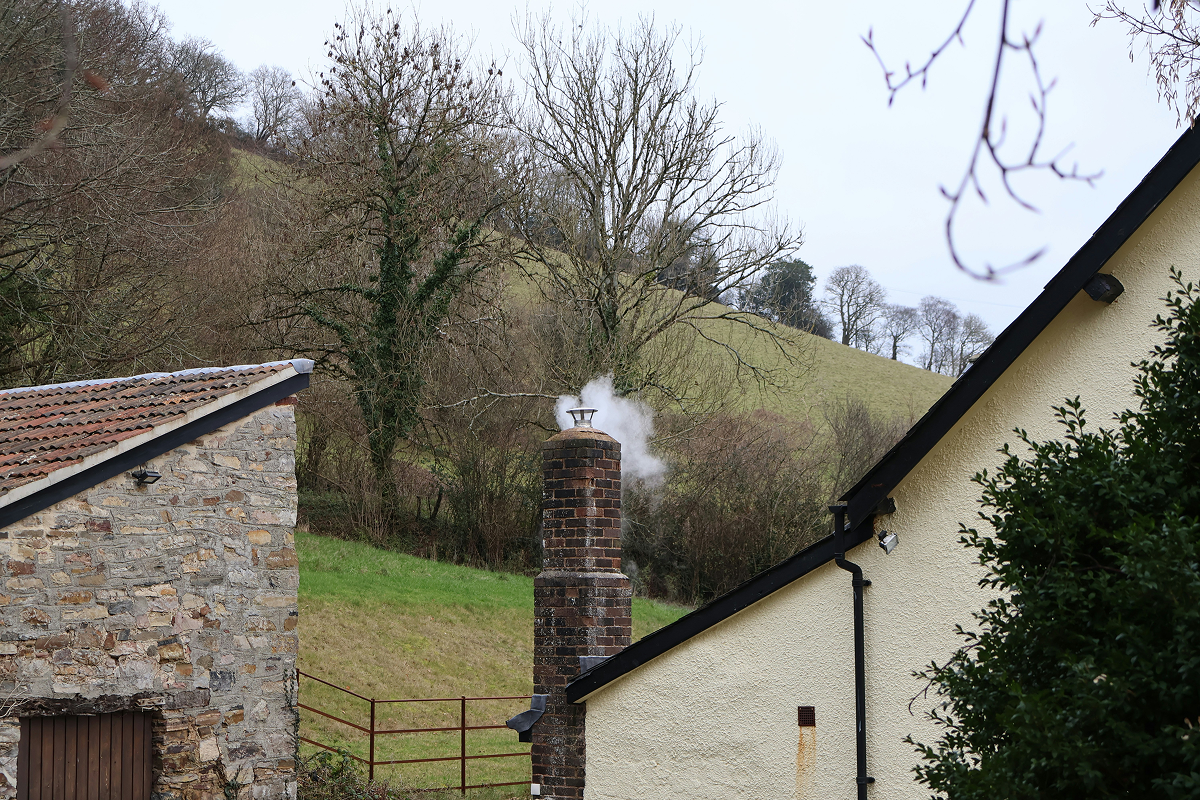
The more you use your fireplace, the faster creosote builds up in your flue. Creosote coats the inside walls of the chimney and accumulates in layers, and the thicker it gets, the greater the fire risk.
- Light users who burn a few fires each winter can typically get by with one annual cleaning, while households burning several nights a week may need cleaning more than once per season.
- Wood stove owners who rely on it as a primary heat source should plan for twice-yearly cleaning.
- Most chimney professionals recommend cleaning once the soot or creosote layer reaches one quarter inch, which is why an annual inspection matters even when the fireplace looks fine from the outside.
Heating with wood most of the season? The math changes — here's how often your chimney really needs cleaning when you burn all winter.
What You Burn Matters Too
Wood type has a direct effect on how fast creosote builds up in your chimney. Seasoned hardwood burns hotter and produces less creosote than wet or green wood. Softwoods like pine produce more resin and leave heavier deposits.
Slow, smoldering fires also contribute more to creosote buildup than hot, well-ventilated fires. If your fires are consistently low and smoky, you will accumulate creosote faster regardless of how often you burn.
Burning only dry, seasoned hardwood and maintaining good airflow does not eliminate the need for cleaning. It does slow the rate of buildup, which can extend the time between cleanings for moderate users.
Chimney Cleaning Frequency by Type

- Wood-burning fireplace: Inspect annually, clean at minimum once a year for moderate use. Clean more often with heavy use or if creosote reaches a quarter inch.
- Wood stove: Annual inspection and cleaning at minimum. Wood stoves often burn longer and at lower temperatures than open fireplaces, which accelerates creosote deposits. Twice yearly is common for primary heating use.
- Gas fireplace: Gas produces far less buildup than wood, but the flue still needs an annual inspection. Cleaning may only be needed every few years unless debris or animal activity is found in the flue.
- Oil furnace chimney: Oil-burning systems produce their own form of soot and acidic deposits. Annual inspection is required. Cleaning frequency depends on system efficiency, but once a year is standard for most oil furnace flues.
Whatever system you have, Brown Chimney can inspect it, tell you exactly where it stands, and clean it if needed — here's what our professional cleaning service covers. Contact our chimney professionals to have your chimney inspected.
What Happens When You Skip It
Skipping chimney cleaning does not just mean more buildup. It means conditions that are harder to fix and more dangerous to live with.
- Creosote builds in stages, starting as flaky deposits and hardening into a thick, glazed coating that is difficult to remove and burns at extremely high temperatures.
- A chimney fire can reach over 2,000 degrees Fahrenheit, enough to crack flue liners and ignite the framing inside your walls.
- Structural damage from a chimney fire is often not visible from inside the home until the problem is severe.
- Blockages form when leaves, debris, and animal nests accumulate in chimneys that go too long without service.
- A blocked flue pushes smoke and carbon monoxide back into the living space instead of venting it safely outside.
Waiting also changes the invoice: a routine annual sweep is a $299–$549 job, but once creosote hardens into that glazed stage, chemical treatment starts at $1,500. Here's the full 2026 chimney cleaning cost breakdown.
The Best Time of Year to Schedule
Chimney cleaning can be done any time of year, but some windows are better than others. Knowing when to schedule keeps you ahead of the busy season and gives you time to address any problems before your fireplace is in use.
Frequently Asked Questions
How often should you clean a chimney if it is not used?
Even unused chimneys should be inspected once a year. Debris, animal nests, and moisture damage can occur without any fires being lit, and an annual inspection catches those problems early.
What can you burn to clean a chimney?
Chimney cleaning logs can help loosen light creosote deposits between professional cleanings, but they do not replace brushing. They work as a supplemental maintenance tool, not a standalone cleaning method.
How do you know if your chimney needs cleaning?
Signs include a strong smoky odor when the fireplace is not in use, smoke entering the room during a fire, reduced draft, or visible soot and debris in the firebox. An annual inspection gives you a definitive answer.
How long can a chimney go without cleaning?
There is no safe maximum interval. A chimney used even occasionally should be inspected every year. Skipping multiple years allows creosote and debris to accumulate to levels that make cleaning more difficult and the chimney more dangerous to use.
What is the 3-2-10 rule for chimneys?
The 3-2-10 rule is a clearance guideline for chimney height. The chimney must extend at least 3 feet above the point where it exits the roof and at least 2 feet higher than any part of the roof or structure within 10 feet. This rule supports proper draft and reduces fire risk from sparks.
How long does a chimney sweep take?
A standard chimney cleaning and inspection typically takes between 45 minutes and 90 minutes. Heavily built-up systems or chimneys with multiple components may take longer.
Can you clean your own chimney?
Yes, for routine maintenance with light to moderate soot buildup and the right equipment. Thick or glazed creosote, damaged liners, and systems that have not been serviced in several years are better handled by a certified chimney sweep.
How often should you clean an oil furnace chimney?
Annual cleaning is the standard for oil furnace flues. Oil combustion produces acidic deposits that can deteriorate the flue liner over time, so consistent annual maintenance is important.
What time of year is best to clean a chimney?
Late summer through early fall is the most practical window, as it prepares the chimney before the heating season begins. Spring is also a good option for clearing the previous season's buildup before it sits through warmer months.
Book Professional Chimney Cleaners
How often should you clean your chimney comes down to how you use it and what you burn. Wood-burning fireplaces and stoves need at least one annual cleaning, with heavier users planning for more. Gas fireplaces need yearly inspections even if cleaning is less frequent. Oil furnace flues should be cleaned once a year without exception.
The type of wood you burn, how hot your fires run, and what your last inspection found all factor into the right schedule for your home. Skipping service does not reset the clock. It just means more buildup, harder cleaning, and greater risk the next time you light a fire.
Staying on schedule is the simplest thing you can do to protect your home and get the most out of your fireplace. If it has been more than a year since your last inspection or cleaning, now is the right time to get it done. Book with Brown Chimney today to get started.




RELATED ARTICLS

Schedule an Inspection Now
with expert chimney care.