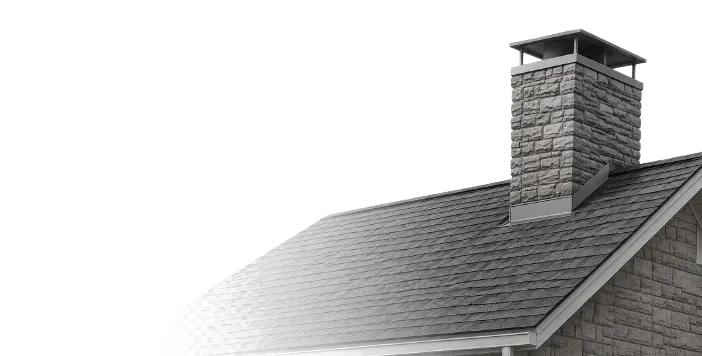

How to Clean Your Chimney: A Step-by-Step Guide


This guide walks you through the tools, steps, and situations where calling in a professional makes more sense than going the DIY route. Whether you tackle it yourself or let the team at Brown Chimney handle it, the goal is the same: a clean, safe flue before every burning season.
Why Chimney Cleaning Matters
Every time wood burns, it releases smoke, gases, and unburned particles. These travel up the flue and cool against the chimney walls. What sticks behind is creosote, a tar-like residue that builds up in layers over time. At low levels it looks like dark flaky soot. At higher levels it hardens into a thick, shiny coating that is harder to remove and far more dangerous.
Creosote is the leading cause of chimney fires. The National Fire Protection Association recommends that chimneys be inspected at least once a year and cleaned as needed. For most homeowners who use their fireplace regularly, that means cleaning at least once per season.
Beyond creosote, chimneys can collect leaves, animal nests, and debris that block the flue. A blocked flue pushes smoke and carbon monoxide back into your home instead of out through the top.
What You Need Before You Start
A basic chimney cleaning kit includes everything below. The chimney brush should match the shape and size of your flue, round brushes for round flues, square or rectangular brushes for masonry flues. Using the wrong size leaves sections of the wall uncleaned.

- Chimney brush (sized to match your flue shape)
- Flexible rod sections that connect together
- Drop cloths for the hearth and surrounding floor
- Dust mask and safety goggles
- Shop vac or heavy-duty vacuum
- Plastic sheeting and tape to seal the firebox opening
You will also want to cover your fireplace opening and the surrounding floor. Cleaning dislodges a large amount of soot and debris, and it spreads quickly.
Not sure which brush or rod set is worth buying? Before you spend money on a kit, here's what professional sweeps actually carry — and what each tool is for.
How to Clean Your Chimney Step by Step
Step 1: Inspect Before You Clean
Look up into the flue with a flashlight before you do anything else. Check for visible blockages, heavy creosote buildup, or damage to the flue liner. If you see cracks, gaps in the liner, or a thick glazed coating of creosote, stop and contact a professional. Heavy creosote requires chemical treatment or specialized tools that go beyond standard DIY cleaning.
Step 2: Set Up Your Work Area
Seal the fireplace opening with plastic sheeting and tape. Lay drop cloths on the hearth and the surrounding floor. If you are working from above, make sure your ladder is stable and positioned safely. Never work on a wet or icy roof.
Step 3: Attach Your Chimney Brush and Rods
Connect your chimney cleaning brush to the first rod section. Insert it into the flue from the top of the chimney or from inside, depending on your method. Add rod sections as you go deeper, working the brush up and down in short strokes to loosen soot and creosote from the flue walls.
Step 4: Work the Full Length of the Flue
Continue adding rods and brushing until you have covered the entire length of the flue. The goal is to clean chimney walls from the top of the opening down to the smoke chamber just above the firebox. Move slowly and use consistent pressure so you do not miss sections along the way.
Step 5: Clean the Firebox
Once the flue is done, open the fireplace and remove the plastic sheeting carefully. Debris will have collected in the firebox and on the smoke shelf above the damper. Use a small brush and dustpan to clear this area out before vacuuming.
Step 6: Vacuum and Dispose of Debris
Use a shop vac to pull up remaining soot from the firebox floor and the surrounding area. Soot is fine and spreads easily, so work slowly. Bag the debris and dispose of it according to your local guidelines.
How to Clean a Chimney from the Bottom
Cleaning from the bottom is the preferred method for most homeowners because it does not require roof access. You seal the firebox opening partially, insert the brush and rod from inside, and work upward through the flue. The challenge is that debris falls as you work, so good sealing around the opening matters. Keep a shop vac running nearby to capture loose soot as it drops.
How to Clean Your Chimney Flue from Inside
The inside method works best for single-story homes or chimneys with a straight flue. Attach the brush to the first rod, insert it just past the damper, and start working upward. Add rods as needed. Because you are working blind past the first few feet, count your rod sections so you know how far up you have reached. Most standard flues run 15 to 25 feet, so plan your rod supply accordingly.

When DIY Chimney Cleaning Is Not the Best Option
DIY cleaning works well for routine maintenance with light to moderate soot buildup. But there are situations where a professional chimney sweep is the right call — we've weighed both sides honestly in DIY chimney sweeping: budget-friendly hack or disaster waiting to happen?
- If your chimney has not been cleaned in several years, the buildup may be too heavy for a standard chimney brush to handle. Glazed or third-degree creosote requires chemical application before brushing and should not be attempted without training.
- If you see cracks in the flue liner, a damaged damper, or any sign of a previous chimney fire, have it inspected before using the fireplace again. Structural damage requires professional repair, and no amount of cleaning fixes a compromised liner.
- If you are unsure what you are looking at inside the flue, it is always better to have a certified sweep assess it first.
If any of those apply to your flue, bring in a certified sweep — the team at Brown Chimney is available to inspect, clean, or advise on any situation. Book an appointment before the season gets away from you.
How Often Should You Clean Your Chimney
The right cleaning schedule depends on how often you use your fireplace and what you burn. Burning seasoned hardwood produces less creosote than wet or green wood. Fires that burn hot and with good airflow also produce less buildup than slow, smoldering fires.
A general rule: if you use your fireplace more than a few times per week during the season, have it inspected and cleaned annually. we've covered the full schedule by fireplace type in how often you should clean your chimney.
Keep Your Chimney Clean, Keep Your Home Safe
Learning how to clean your chimney is a straightforward process once you have the right tools and a clear picture of what you are working with. A clean flue means better draft, more efficient fires, and most importantly, a home that is not at risk from creosote buildup or blocked airflow.
The goal every season is simple: clean walls, a clear flue, a working damper, and no surprises. Whether you are burning every night through the winter or lighting a fire a few times a year for the atmosphere, your chimney deserves the same attention as any other part of your home. Stay on schedule, use seasoned wood, burn hot, and check in on it annually.
If it has been more than a year since your last cleaning, or if you are not sure what you are looking at when you peer up into the flue, do not wait. Book an appointment with Brown Chimney or give us a call. We will make sure your fireplace is ready before you need it.
Frequently Asked Questions
How do you clean your chimney from the bottom?
Seal the firebox opening, insert a chimney cleaning brush on a flexible rod from inside, and work upward through the flue, adding rod sections as you go. Keep a shop vac nearby to capture debris as it falls.
What can you burn to clean a chimney?
Chimney cleaning logs are sold as a supplemental tool to help break down light creosote deposits, but they do not replace brushing. They work best as a maintenance aid between professional cleanings, not as a standalone chimney cleaning method.
How do you clean a chimney without going on the roof?
Use a chimney cleaning kit designed for bottom-up cleaning. Insert the brush and rods from inside the firebox and work your way up the flue from below, which avoids roof access entirely.
How do you clean a chimney without a brush?
There is no reliable substitute for a chimney brush when it comes to removing creosote buildup from the flue walls. Chemical treatments can soften deposits, but a brush is still needed to clear them.
How do you clean a wood stove chimney from inside?
The process is the same as a standard fireplace: seal the stove opening, insert the chimney cleaning brush from inside, and work upward through the connector pipe and flue. Wood stove pipes often require a separate flexible brush to reach around any offsets or elbows in the system.
Can you clean a chimney yourself?
Yes, for routine maintenance with light to moderate soot buildup. If the creosote layer is thick, glazed, or if you notice structural damage, contact a certified chimney sweep instead — you can price a professional sweep for your setup in about 30 seconds.
How do you clean a gas fireplace chimney yourself?
Gas fireplaces produce far less soot than wood-burning units, but the flue still needs inspection and occasional cleaning. Use a soft brush to clear any debris or soot from the flue, and check the burner and pilot area for dust buildup.
How do you clean your chimney flue from inside?
Insert a chimney cleaning brush on a flexible rod through the firebox opening, push it past the damper, and work upward in short scrubbing strokes. Add rod sections as needed to reach the full length of the flue, then vacuum debris from the firebox once you are done.




RELATED ARTICLS

Schedule an Inspection Now
with expert chimney care.