What was installed in this workshop?
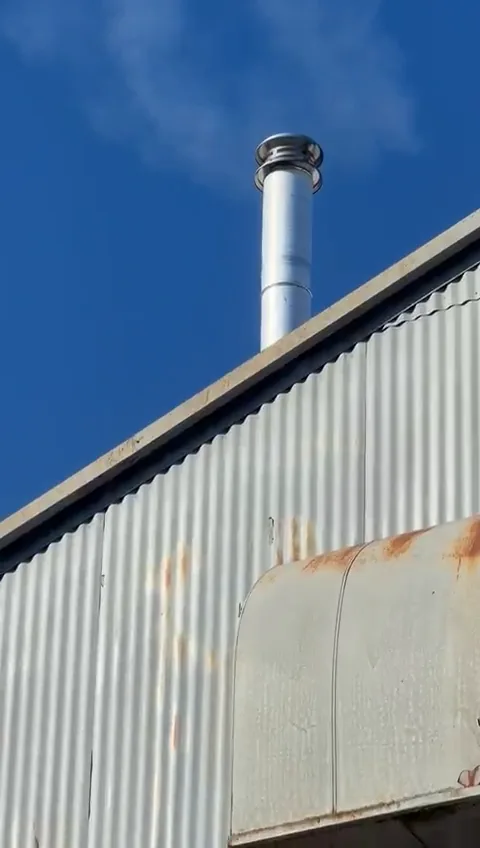
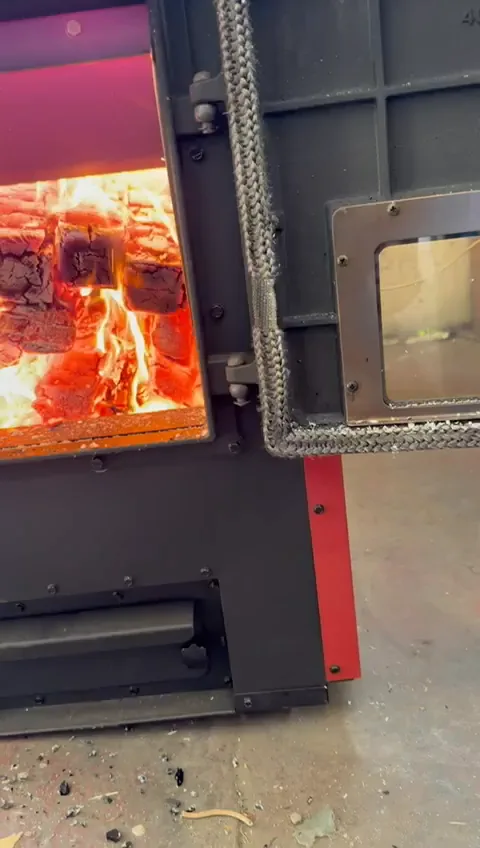
A wood-burning furnace, set on the concrete floor of a workshop. It vents through a black stovepipe that rises from the top of the furnace to the ceiling and joins a stainless steel chimney that runs out through the roof.

A furnace like this burns for long stretches through the heating season, so its venting has to handle steady heat and a lot of smoke.
What had to be planned for the venting?
Three things had to line up for the venting:
- The stovepipe needed a short, clear path from the furnace's flue collar up to the ceiling.
- Where the chimney passes through the ceiling and the roof, it needed the clearances and support parts its maker specifies.
- The chimney had to rise high enough above the roof to draft well.

How did Brown Chimney install the furnace?
- Set the furnace on the concrete shop floor.
- Connected the stovepipe to the flue collar on top of the furnace.
- Ran the pipe up to the ceiling and into the stainless steel chimney.
- Took the chimney out through the roof and finished it with a cap.
- Lit the first fire and checked the draft and the furnace controls.

What does the shop have now?

A working wood furnace with its own chimney, vented from the top of the unit straight up through the roof.
The labor carries Brown Chimney's 1-year workmanship warranty. The furnace and chimney parts carry the manufacturer's warranty.
How much does a wood furnace installation cost?
It is quoted after a site visit. The price depends on the furnace, the height of the chimney, how it passes through the ceiling and the roof, and the parts the furnace's manual calls for. You get a written quote before any work starts.