Case study

Glazed Creosote Removal with PCR Treatment

Brown Chimney removed Stage 3 glazed creosote from a clay tile flue with PCR, a poultice made for creosote that a brush can't remove. The treatment went onto the glazed flue tiles on the first visit, dried in the flue, and was swept out on the second visit, leaving the clay tile showing again.

All before, after and job photos are from this job.

Shiny black glazed creosote coating the clay flue tiles, seen from the top of the chimney
Before
Clay flue tiles after the PCR treatment and sweep, with the orange tile showing again
After

Before: shiny, glazed creosote coating the clay flue tiles. After: the flue after the PCR treatment and sweep, with the clay tile showing again.

What did Brown Chimney find in this flue?

Stage 3 glazed creosote: a hard, shiny black coating stuck to the clay flue tiles. It forms when smoke cools and condenses on the flue walls, and over time it bakes into a glaze.

Shiny black glazed creosote coating the clay flue tiles, seen from the top of the chimney
Glazed creosote on the clay flue tiles, seen from the top of the chimney.

Glazed creosote is concentrated fuel inside the chimney, and a standard sweep can't remove it, so the flue was treated with PCR before the chimney went back into use.

Why can't a regular sweep remove glazed creosote?

Creosote builds up in three stages, and only the first two come off with brushes:

  • Stage 1 is a dry, dusty soot that brushes off easily.
  • Stage 2 is flaky and crunchy. It takes more effort, but brushing still removes it.
  • Stage 3 is glazed: hard, shiny and tar-like. It bonds to the flue tiles, so brushes slide over it.

That is why glazed creosote needs a treatment like PCR. Harder brushing would not remove it.

How did Brown Chimney remove the glazed creosote?

  1. Confirmed from the top of the chimney that the deposits were glazed creosote that brushing would not remove.
  2. Checked the damper and smoke chamber at the base of the flue.
  3. Mixed the PCR poultice and coated the glazed creosote on the flue tiles.
  4. Left the chimney out of use while the poultice dried and absorbed the creosote.
  5. Came back on a second visit and swept out the dried poultice with the creosote it had lifted.
  6. Looked down the flue again to check the clay tiles after the sweep.
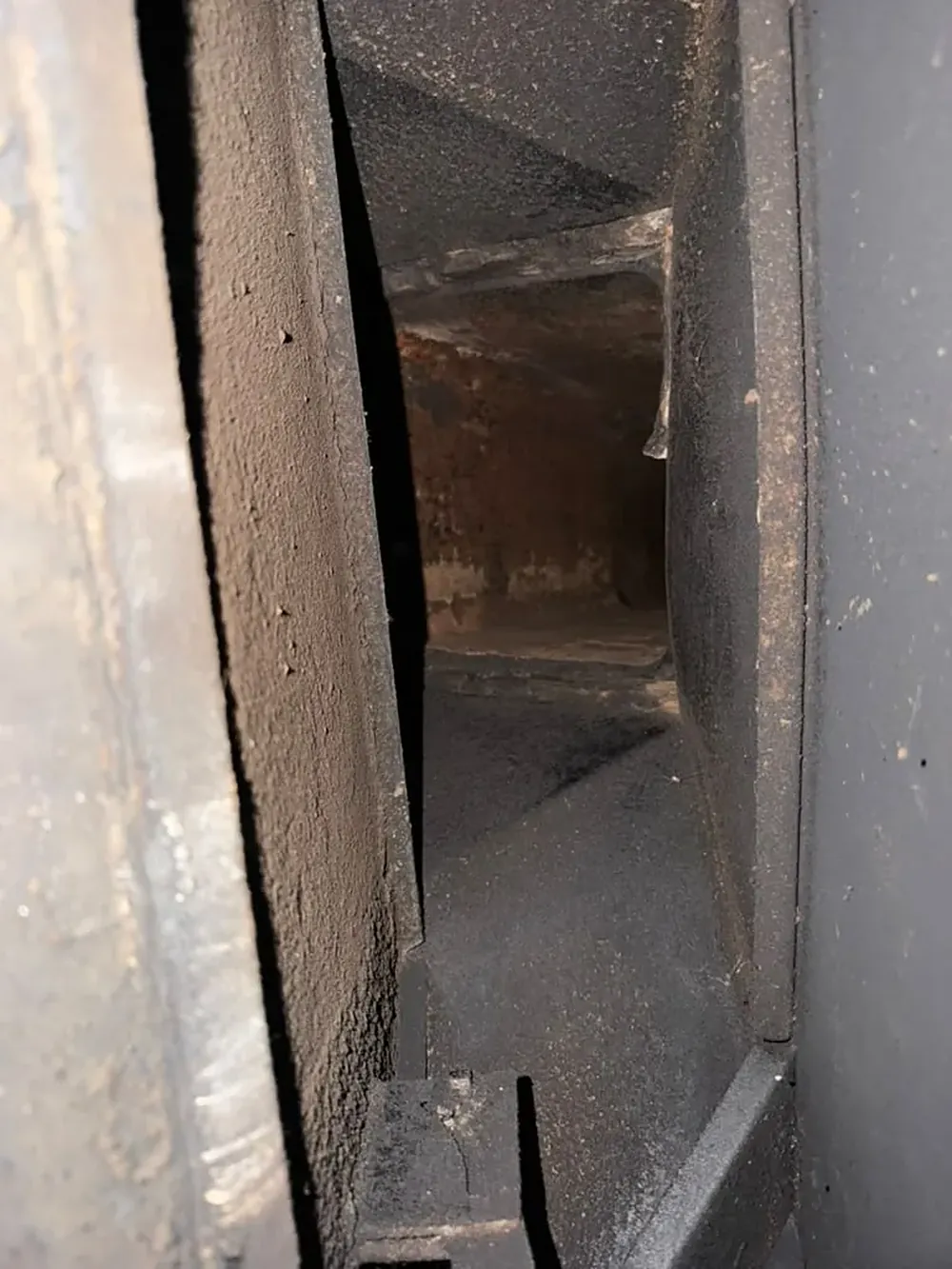
Fireplace damper opening and smoke chamber at the base of the flue
The damper and smoke chamber at the base of the flue.

What does the homeowner have now?

Clay flue tiles after the PCR treatment and sweep, with the orange tile showing again
The flue after the PCR treatment and sweep, with the clay tile showing again.

A clay tile flue with the glazed creosote removed, so a regular sweep can keep it clean again. Burning dry, seasoned wood and giving the fire enough air will slow new buildup.

The labor carries Brown Chimney's 1-year workmanship warranty.

How much does glazed creosote removal cost?

Glazed creosote removal is priced separately from a standard sweep, because the PCR treatment takes two visits and the chimney can't be used in between. The price depends on how much of the flue is glazed and how the chimney is accessed. You get a written quote before any work starts.

Photos from the job

No items found.

Questions about this job

What is glazed creosote?

The hardest stage of creosote: a shiny, tar-like coating that forms when smoke cools and condenses in the flue. It bonds to the flue tiles, so chimney brushes slide over it, and it needs a treatment like PCR to come off.

How long does a PCR treatment take?

Two visits. The poultice goes on during the first visit and needs time to dry in the flue, and the dried material is swept out on the second. The chimney can't be used between the two visits.

How do you keep glazed creosote from coming back?

Burn dry, seasoned wood, give the fire enough air instead of letting it smolder, and have the chimney inspected every year and swept when buildup starts. That catches creosote while it still brushes off.

Get STARTED

Shiny black buildup in your flue?

Santa Claus illustration near a residential chimney