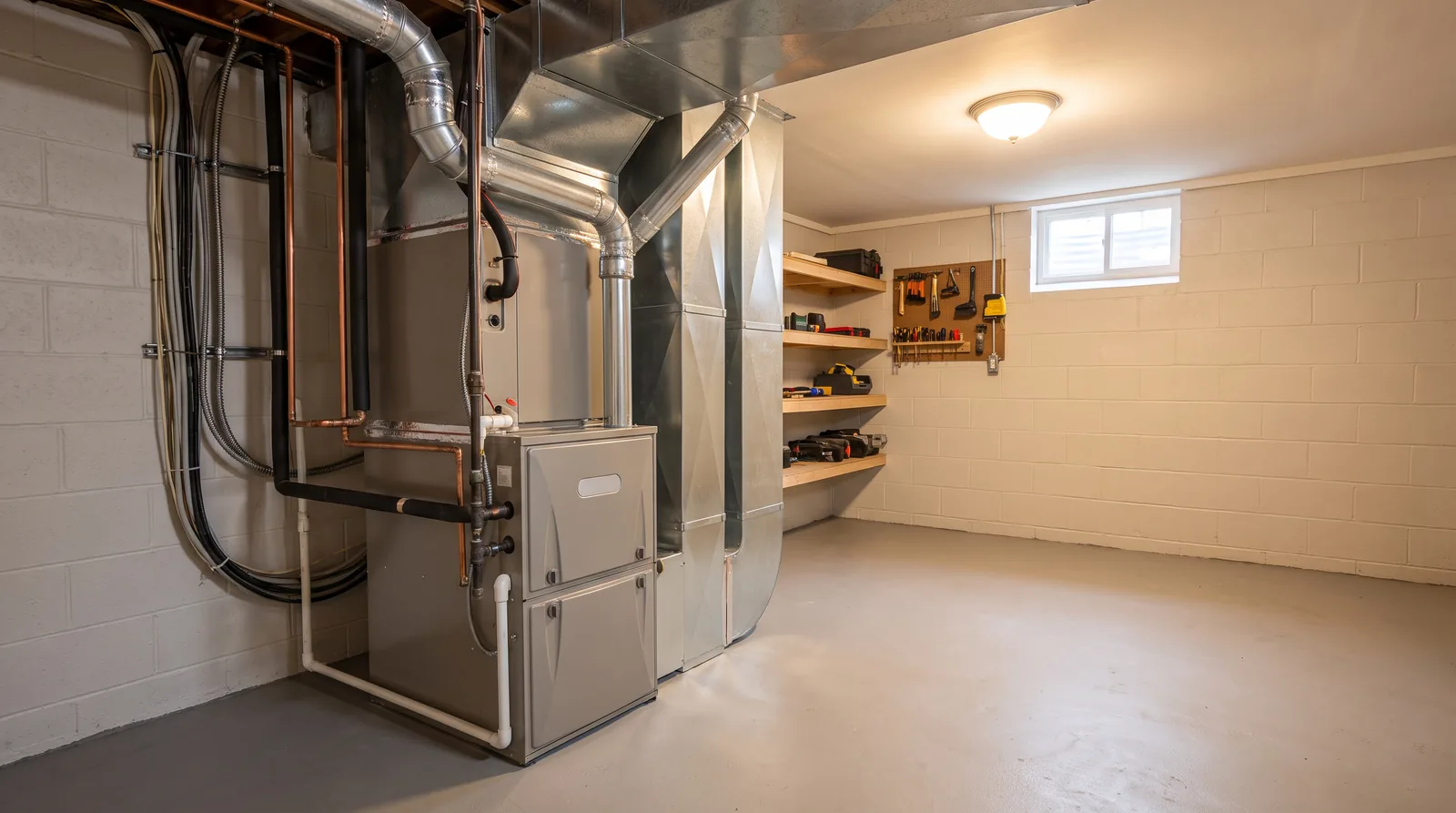
Removal and delivery: Doors, stairs and the route into the equipment area affect how an old unit is removed and a new one is brought in. The scope should cover that access and identify the work needed to leave the installation area ready.
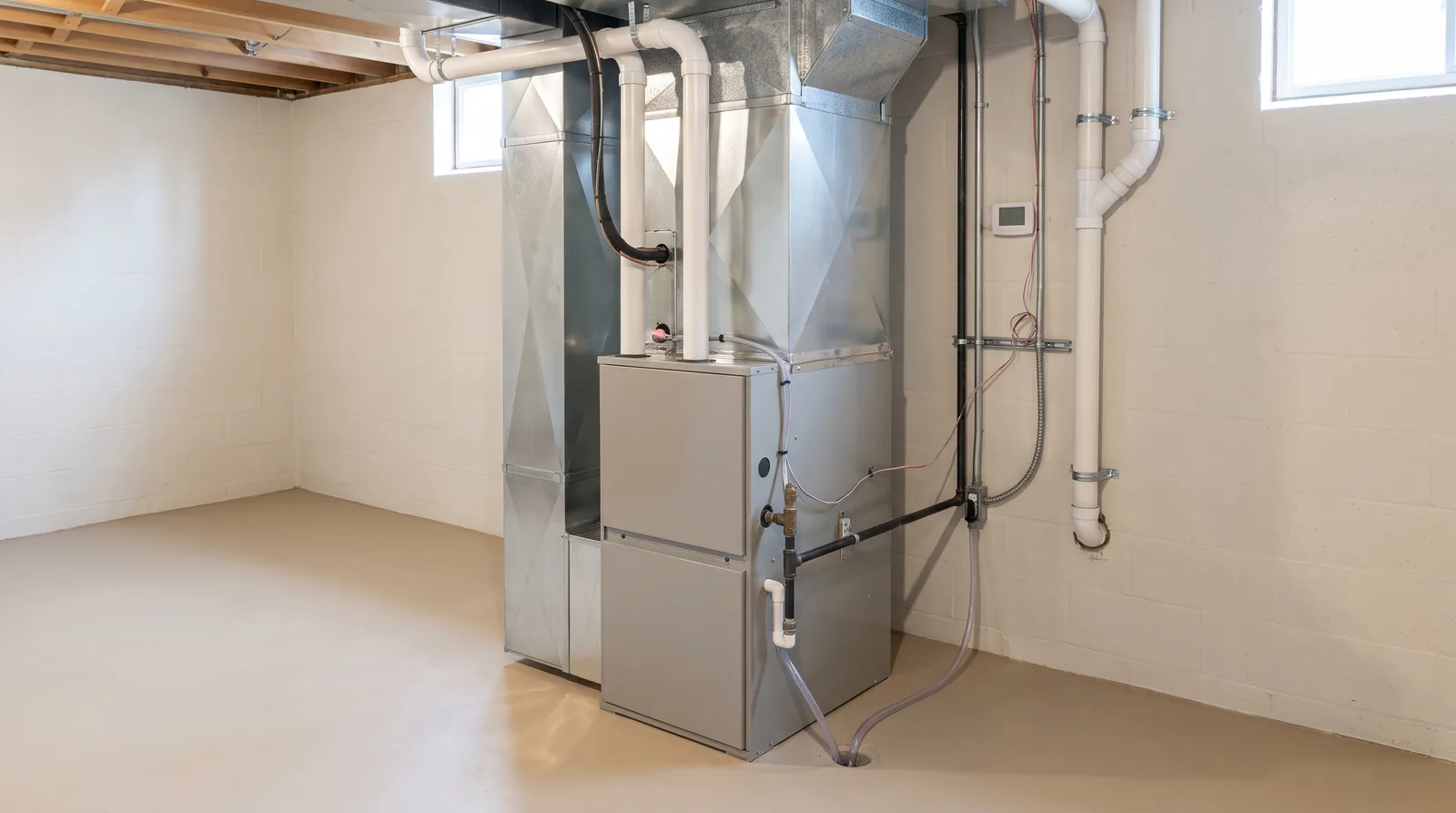
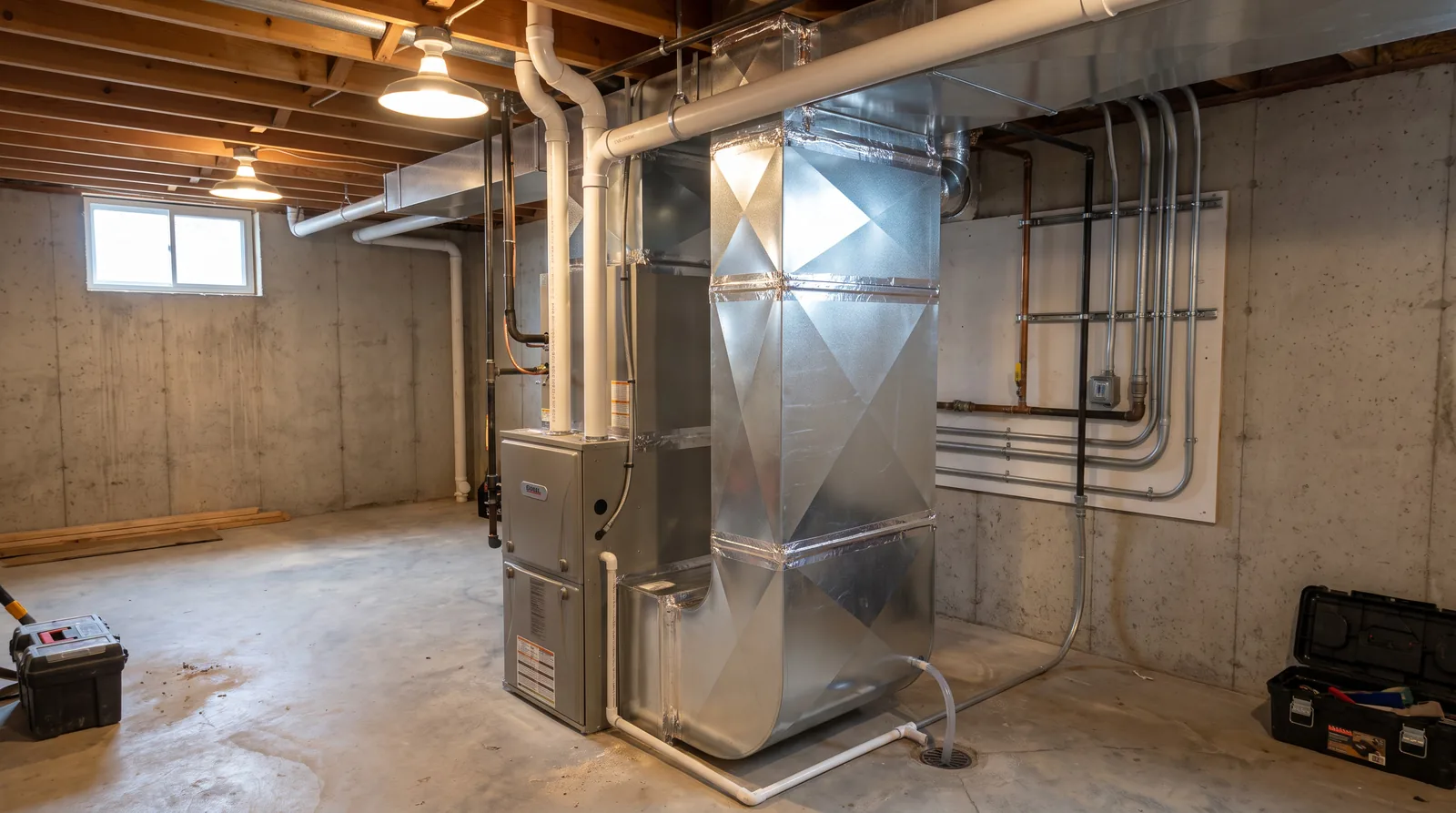
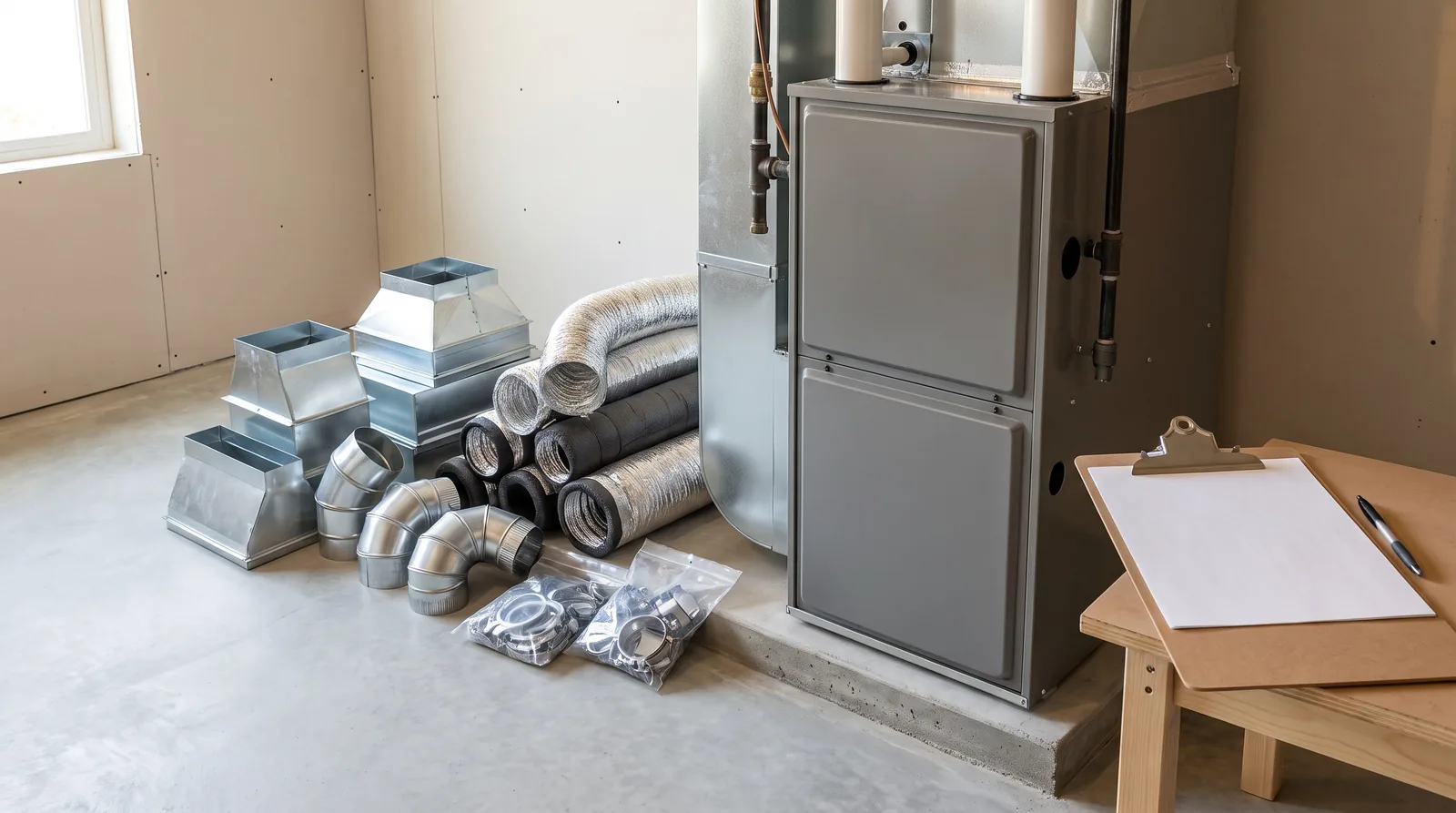
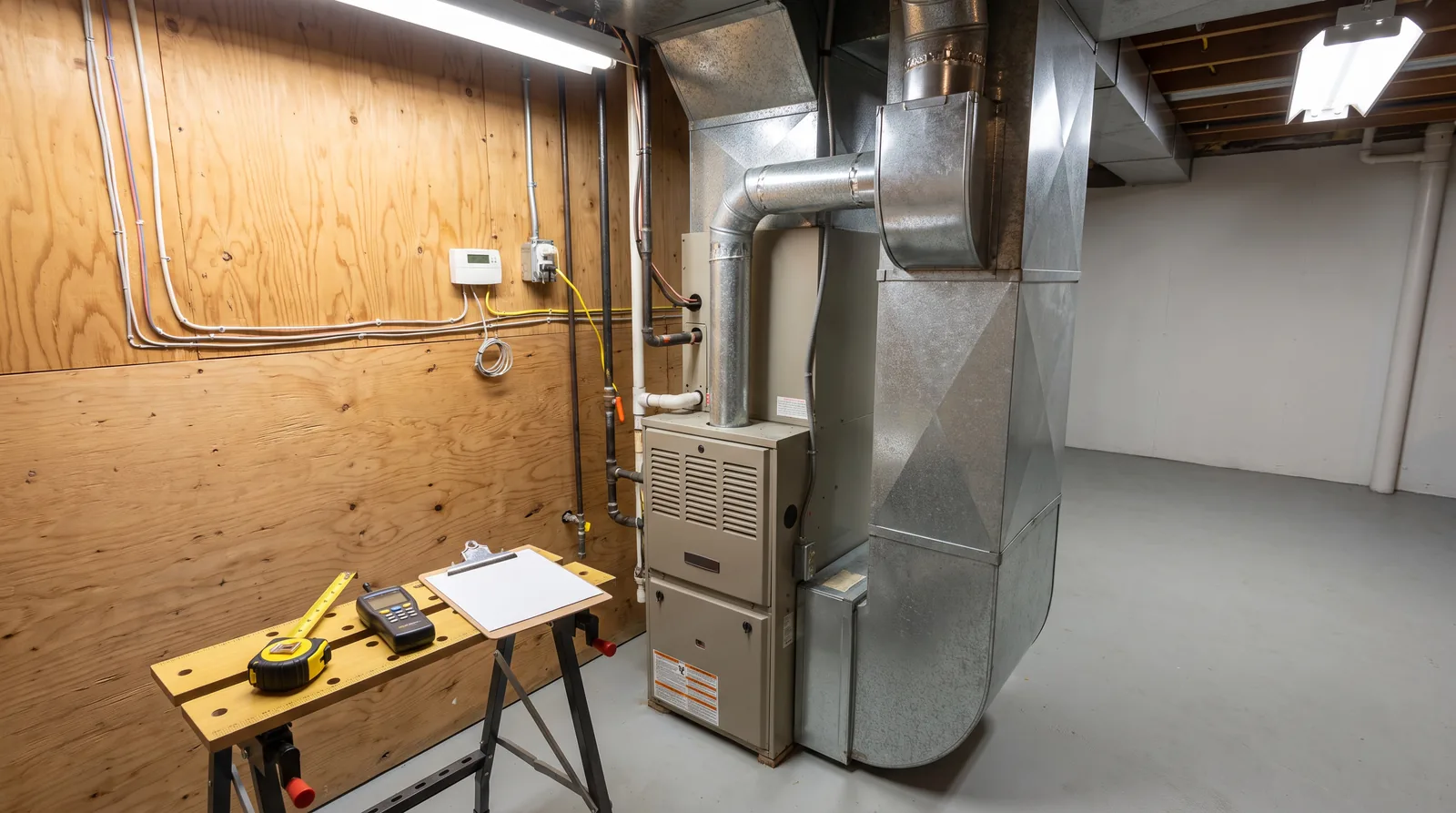
Connection points: Even when the location stays the same, the new cabinet may require different duct transitions or connection positions. Allow for the selected model, access to its filter and the space needed around the unit.
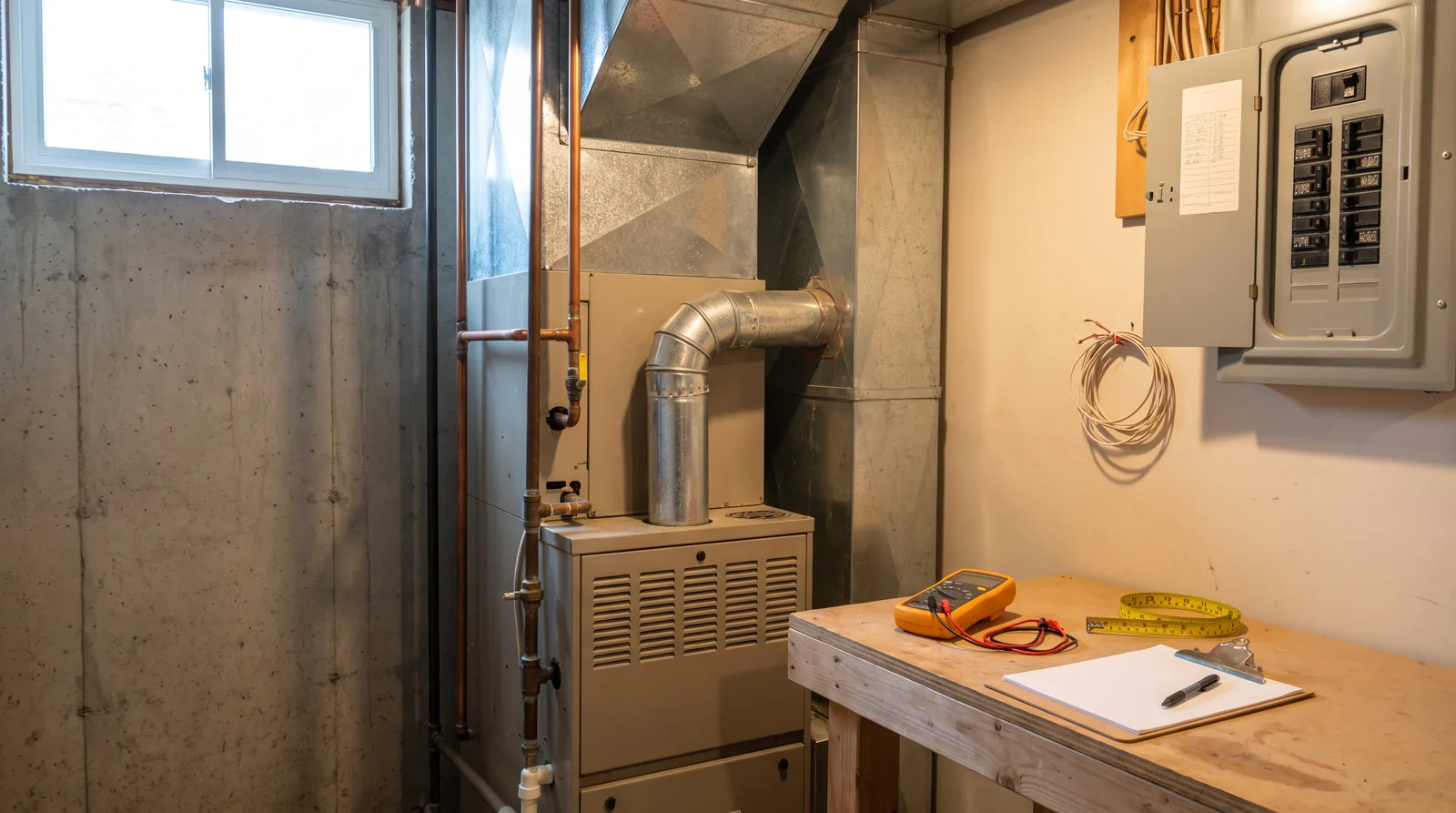
Venting and nearby appliances: A fuel-burning furnace needs an appropriate exhaust arrangement. If another appliance uses the existing venting system, its requirements also need review when the furnace connection changes. Any separate vent or drainage work belongs in the proposal.
Heating output: The planned condition of the building should guide the capacity calculation. Tell us about additions or changes to insulation and windows; the old furnace label alone cannot establish what the replacement should deliver.
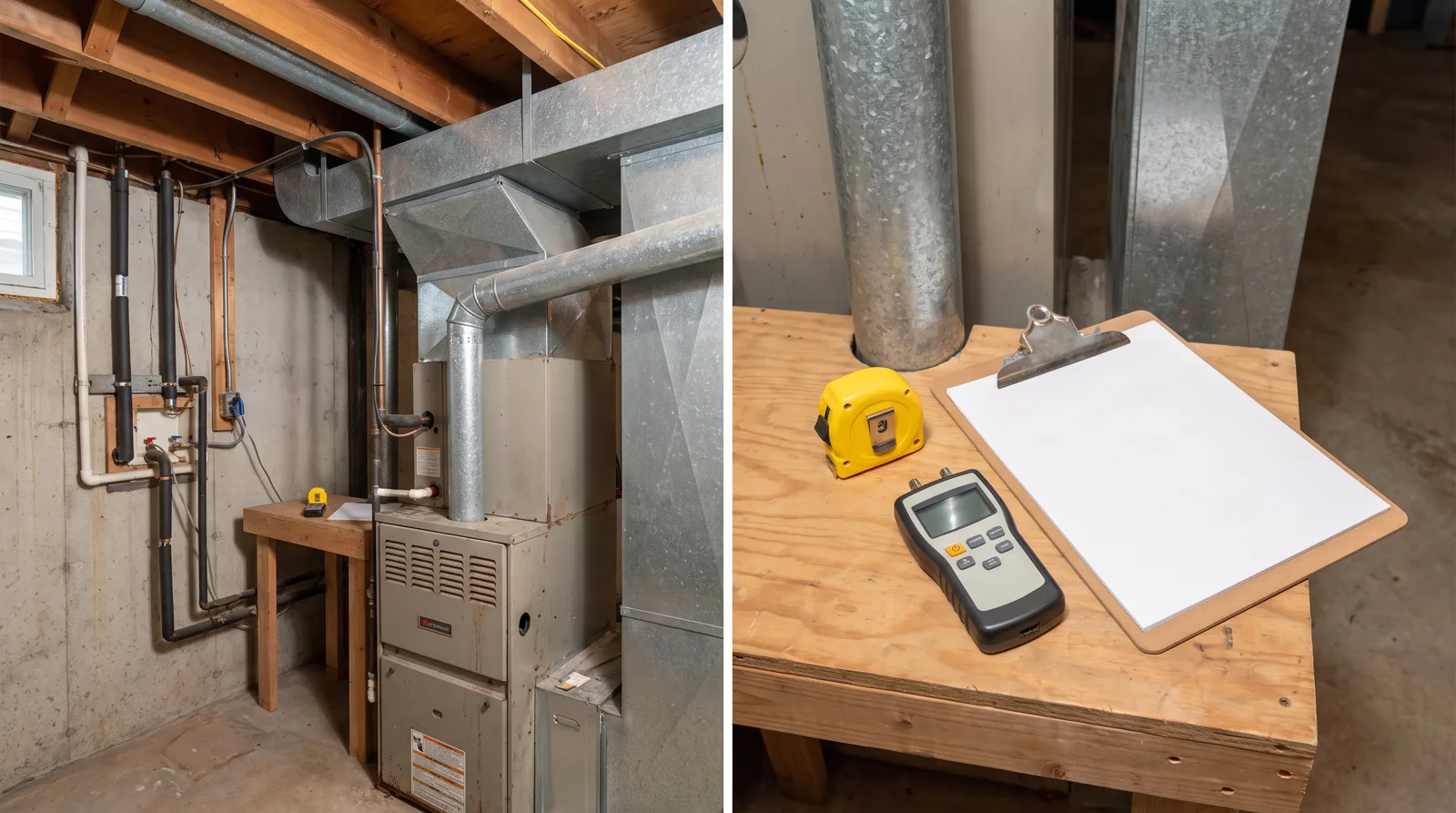
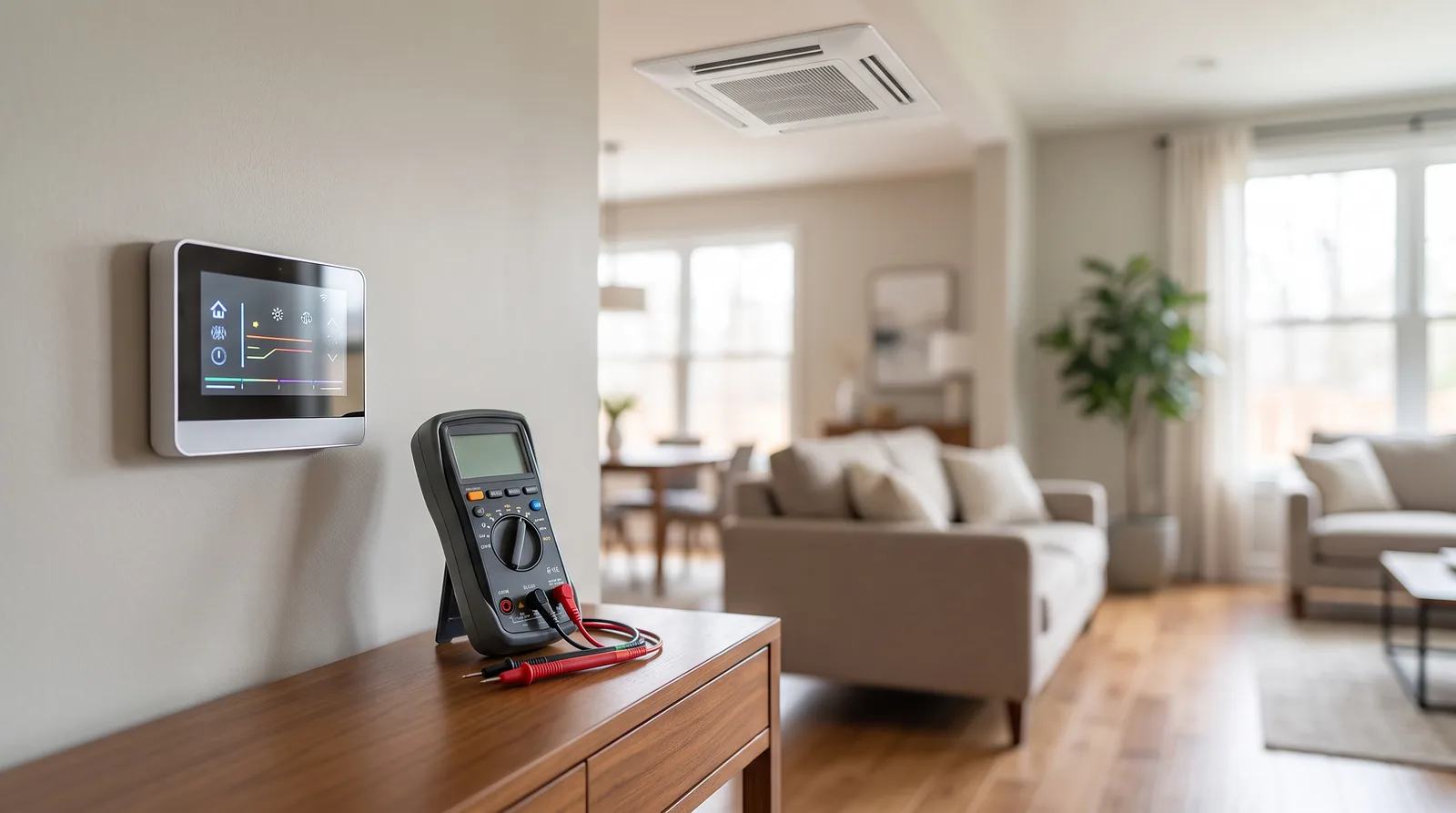
Completion: Startup includes checking operation, controls and airflow, with combustion and venting checks for fuel-burning equipment. The handover should explain the thermostat, filter access and the documentation supplied with the new furnace.