Chimney Liner & Relining in Detroit

Before anything else: which flue serves what, and has that changed since 1939

CSIA & NFPA certified

1-year workmanship warranty

Same-day PDF report

$49 fee credits toward repairs

Number section icon
Pricing, before you commit

The inside of a flue cannot be judged from outside it.

Relining is quoted after a camera run, never before. A $149 Level 2 records the full interior, and the fee credits toward the work.

Open Cost Calculator

Open Cost Calculator

No email required · Instant estimate

Estimate preview

Live

chimney-liner-relining

Quoted after flue evaluation

Inspection (credited)

−$49

Typical job

Sized to your appliance

Final price quoted in writing before any work.

faq svg
The craft, done properly
CHIMNEY LINER & RELINING IN DETROIT, MI

The first job on a multi-flue stack is working out which flue does what. An older Detroit chimney can carry a fireplace flue, a furnace flue, and sometimes a third, and the connections downstairs have often been changed more than once since the house was built. Lining the wrong flue, or sizing a liner to an appliance that was replaced two systems ago, is a real and expensive mistake.

Once that is settled, the specification follows the appliance. Solid fuel gets 316L stainless steel and nothing else. Gas appliances may use aluminum. Diameter is set by what is being vented, because a flue too large for its appliance never reaches temperature, never establishes a proper draft, and lets moisture condense inside itself rather than carrying it out.

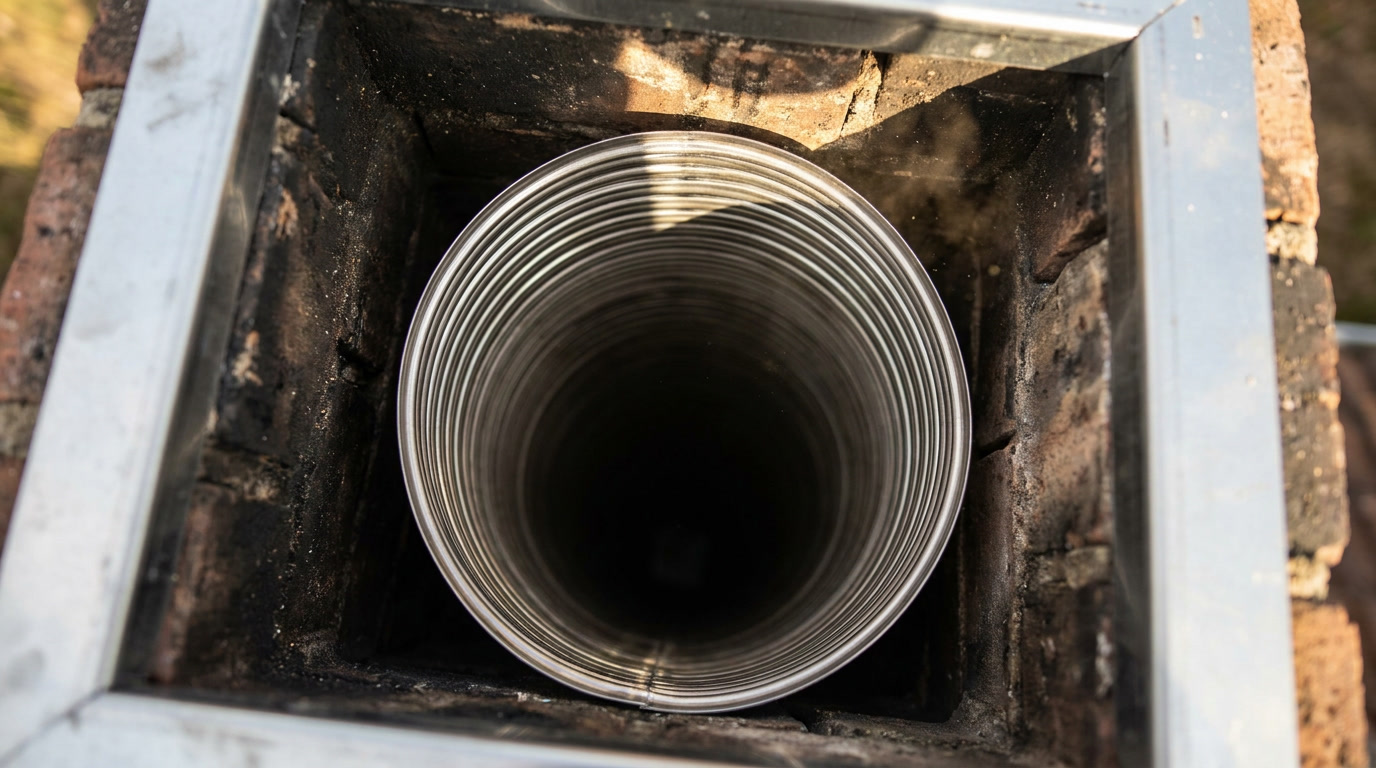
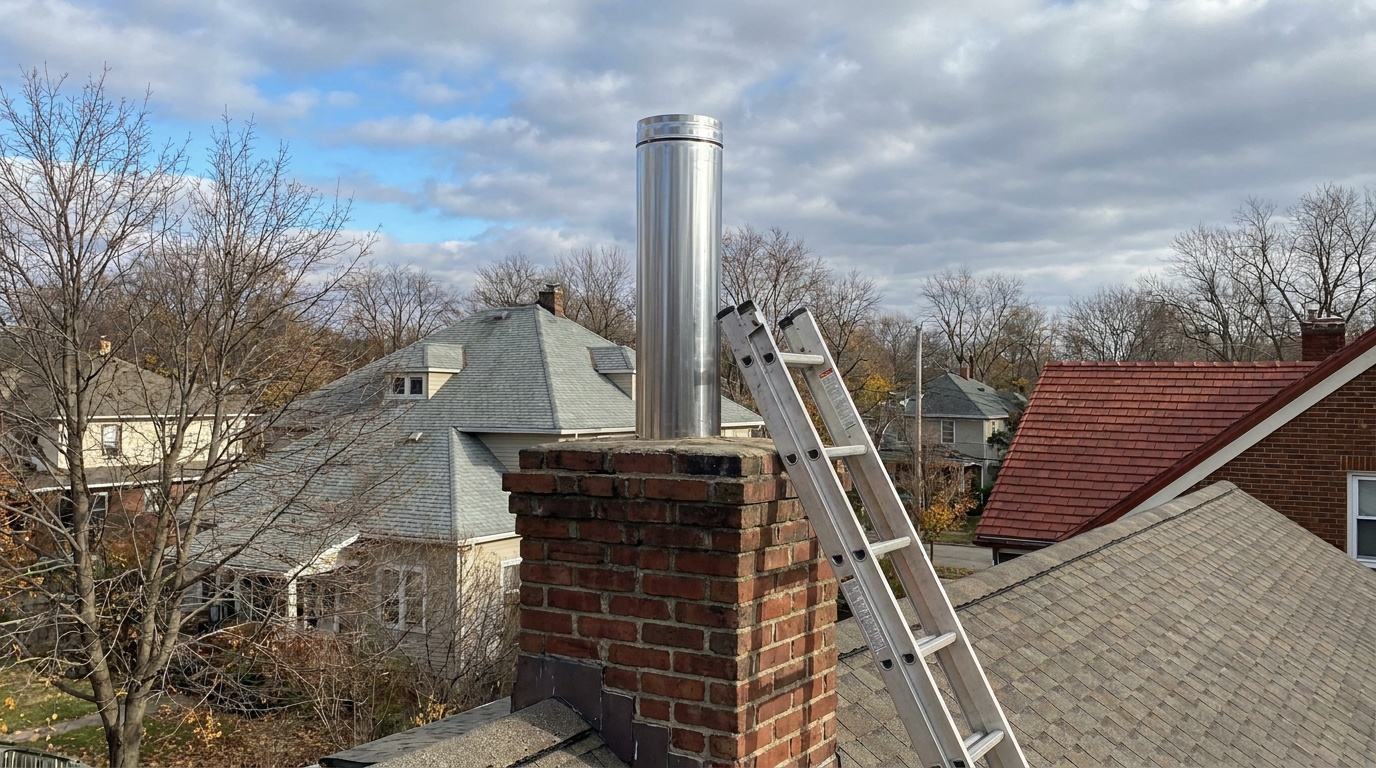
The liner is the sleeve that keeps combustion gases away from the surrounding masonry and framing. Installation includes the top plate, cap, appliance connector, and thimble, code-compliant under NFPA 211. Where the flue tile is damaged but the chimney is structurally sound, a cerfractory coating applied top to bottom is the alternative worth knowing about, and the camera inspection is what decides between them. Standards on our liner and relining service page.
stack icon
The Work

Three flues, one stack, and no labels on any of them.

Nothing about a failed liner reaches the room. No smell, no smoke, no change at the hearth. The tile stops separating hot gas from the brickwork and the framing behind it, and the house carries on looking exactly as it did.

Which is why the camera comes before the quote. A recorded run of the interior shows the condition and, on a shared stack, shows which flue is which. Appliances get replaced far more often than chimneys do, and a liner specified against yesterday's furnace is money spent on the wrong problem. Where a new appliance is going in, the sizing follows it rather than the other way around.

Relining in Ann Arbor and relining in Troy run as separate operations, with the full Michigan coverage on the state page. Local services are on the Detroit page.
document icon
When to book

Signs a Detroit chimney needs relining.

Almost none of this is visible from inside the house, which is the whole difficulty with the service. Two of the six are events rather than symptoms.

01

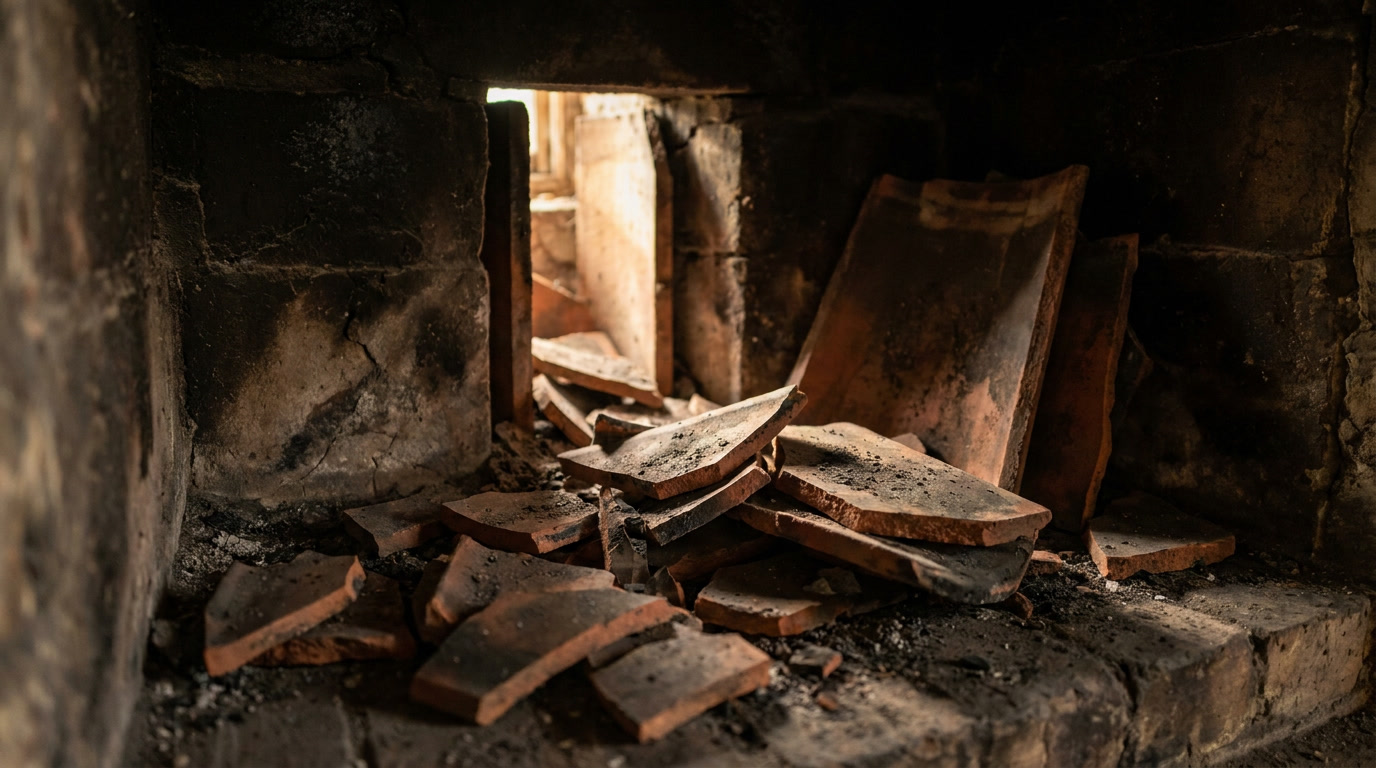
Pieces of clay tile found in the firebox or on the smoke shelf

02

A camera inspection showed cracked or displaced flue tiles

03

There has been a chimney fire, however minor

04

You are changing fuel type or replacing a heating appliance

05

White staining or dampness on the chimney breast indoors

06

The chimney has never been lined at all

Number four gets skipped constantly. Replacing a furnace or a water heater is treated as a mechanical job, and the flue it vents into rarely gets a second thought — even though what that flue now has to carry has changed completely.

"

A liner fails silently. There's no smell, no smoke, no sign in the room — right up until there is one. That's why we look before we guess.

Company Owner
cup icon
The Brown Chimney Standard · Detroit

A brick city, and we work on the brick.

Built in 1939, on average
Almost six in ten Detroit houses went up before 1950 and four in five before 1960. The majority carry brick exteriors, and among the Depression-era stock nearly all of them do.
The chimney is part of the structure
On a solid masonry house the chimney was laid up in the same courses, from the same material, at the same time. That makes repair structural work rather than a cosmetic patch on a veneer.
Matched, not skimmed
Mortar mixed to the existing color and grain, joints tooled to the existing profile, and brick whose face has broken away replaced one unit at a time. A repointing job should disappear into the wall, not announce itself from the sidewalk.
Written, photo-backed report
Every job ends with a PDF. Great for insurance, great for selling the home, great for peace of mind.
Interactive · liner match

What liner does your flue actually need?

Liner material isn't a preference — NFPA 211 decides it based on what you burn. Tell us the appliance, what the flue looks like inside, and how tall the chimney is. We'll show what happens to combustion gases in a failed flue, which material is code-compliant for your system, and the published price lines that apply.

WALL FRAMING FRAMING APPLIANCE / FIREBOX
Combustion gases reaching masonry and framing through failed tile
Continuous liner — gases contained, full flue height
Flue height: 14 ftStatus: Gases reaching masonry & framing
14 ft
Stainless steel only

Stainless — the fuel change decides it

A fuel change resets the whole venting question: the flue has to be re-sized to the new appliance, and any system that will burn wood requires 316L stainless (LNR-001), no exceptions under NFPA 211. If the chimney is going the other way, wood to gas, the old liner comes out first and the new one is sized to the gas appliance rather than to the old firebox.

Code-required material316L stainlessLNR-001 · required for anything wood-burning, per NFPA 211.
ScopeRemove + relineFailed liner extracted and the bare flue re-inspected before anything new goes down.
Warranty1 yearWorkmanship warranty on all labor performed.
  • Level 2 camera inspectionFull flue interior, video record, written report. Credited toward repair work booked from the findings.$149
  • Existing liner removal$695 standard extraction; $1,895 where the liner is damaged, seized, or difficult.$695 – $1,895
  • Stainless steel liner installation$3,495 for a standard drop-in; up to $12,995 where clay tile removal, smoke chamber work, and crown rebuild are part of the job.$3,495 – $12,995
  • Building permit, where the municipality requires oneFlat rate. Application, filing, and inspection coordination.$1,195
  • Workmanship warranty1 year

After a chimney fire, the flue gets documented

Heat almost always damages tile liners, and the damage is rarely visible from the firebox. A Level 2 camera inspection ($149, credited toward booked work) records the full interior; where it indicates hidden damage, a Level 3 investigation ($599–$2,999) exposes the concealed area and re-seals it afterward.

Ranges are from our 2026 price book. Final scope is measured on site and quoted in writing before any work. Brown Chimney · 1-888-666-0002
stack icon
What to expect

What happens during a Detroit relining.

Nothing gets priced before the flue has been seen and the connections traced. Once material and diameter are settled, most installations run one to two days. On a multi-flue stack the mapping is done first and written down, so the record survives the next appliance change as well as this one.

01

Assessing the existing flue

The flue is assessed before anything is quoted. Where the interior needs to be seen rather than assumed, a camera inspection is offered as its own line — you'll know the cost before we run it.

02

Sizing & material selection

The liner is sized to your appliance and flue. Wood-burning systems get 316L stainless steel only; gas appliances can take aluminum. NFPA 211 sets that rule, not preference or price.

03

Old liner removal

Where a failed liner is already in place, it comes out first — top plate, cap, and full extraction — and the bare flue is re-inspected before anything new goes down.

04

New liner installation

The liner runs the full flue height with top plate, cap, appliance connector, and thimble, code-compliant per NFPA 211. On exterior chimneys and cold climates we'll offer an insulation wrap and price it separately.

05

Connection & documentation

The appliance connection is completed and the installation photographed for your report, with the 1-year workmanship warranty on all labor performed in writing.

stack icon
For transparency

Outside the liner price.

Other flues in the same stack. Mapping them is part of the assessment, but lining a second flue is a second job at its own price.

Masonry around the flue. Where the brickwork itself has gone rather than the tile, that is structural work and sometimes has to come first.

Appliance supply and connection beyond the thimble. We size and install the liner; the furnace, boiler, or stove on the other end belongs to whoever supplied it.

stack icon
FAQs

Common questions about chimney relining in Detroit

1 icon

Our chimney has more than one flue. How do you tell which is which?

By tracing the connections at the appliance end rather than guessing from the roof. On a stack this age the equipment downstairs has usually been changed more than once, and the flue that served the original furnace may be carrying something else entirely now.
Faq Number

We replaced the furnace a few years ago. Should the chimney have been looked at?

Ideally at the time, and it is worth doing now. A flue sized around one appliance is not automatically right for its replacement, and where the new unit runs cooler the flue may never warm enough to carry moisture out. Cheap to check, expensive to leave.
3 icon

Why does a liner have to be sized rather than just fitted?

Because an oversized flue never reaches working temperature. It fails to establish a draft, and the moisture in the exhaust condenses on the way up instead of leaving. The diameter is dictated by the appliance, which is why the specification starts in the basement.
4 icon

What actually goes in besides the liner itself?

Top plate, cap, appliance connector, and thimble, all to NFPA 211. Those are part of the installation rather than extras, and the price quoted includes them.
5 icon

Can a damaged flue be repaired instead of relined?

Sometimes. Where the tile is damaged but the chimney is structurally sound, a cerfractory coating applied top to bottom restores the flue without a metal sleeve. Whether that suits yours is decided by the camera run, not by preference.
stack icon
A safer hearth — for 2026

Mapped first. Then specified.

Every Brown Chimney liner is specified against the appliance it actually vents, installed to NFPA 211, and quoted only after the flue has been seen on camera. 1-year workmanship warranty. Call 248-260-5979.