Chimney Liner & Relining

The layer between the fire and your house

4.9 · 3,412 Google reviews

CSIA & NFPA certified

Installed to code

1-year workmanship warranty

40 years sweeping chimneys
3,412 verified Google reviews
4.9 average rating
CSIA-certified crew
NFPA 211 compliant
Licensed in 6 states
100% background-checked technicians
Free estimates
40 years sweeping chimneys
3,412 verified Google reviews
4.9 average rating
CSIA-certified crew
NFPA 211 compliant
Licensed in 6 states
100% background-checked technicians
Free estimates
40 years sweeping chimneys
3,412 verified Google reviews
4.9 average rating
CSIA-certified crew
NFPA 211 compliant
Licensed in 6 states
100% background-checked technicians
Free estimates
40 years sweeping chimneys
3,412 verified Google reviews
4.9 average rating
CSIA-certified crew
NFPA 211 compliant
Licensed in 6 states
100% background-checked technicians
Free estimates
Number section icon
Pricing, before you commit

Want an estimate before booking?

Relining is quoted after the flue is evaluated — there's no honest way to price it from the driveway. Use our free Inspection Cost Calculator to see what that assessment costs, in less than 30 seconds. No email, no callback, no surprise fees.

Open Cost Calculator

Open Cost Calculator

No email required · Instant estimate

Estimate preview

Live

chimney-liner-relining

Quoted after flue evaluation

Inspection (credited)

−$49

Typical job

Sized to your appliance

Final price quoted in writing before any work.

faq svg
The craft, done properly
WHAT A CHIMNEY LINER DOES

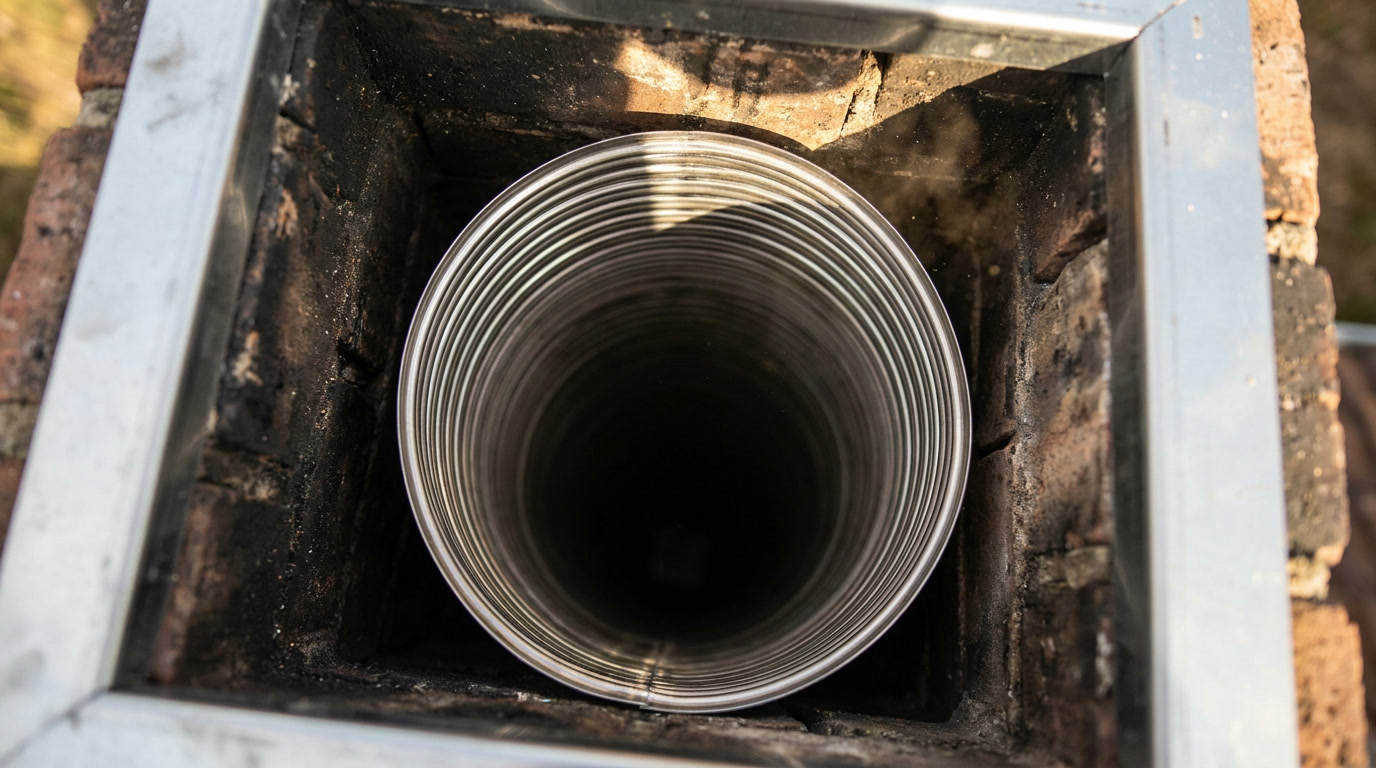
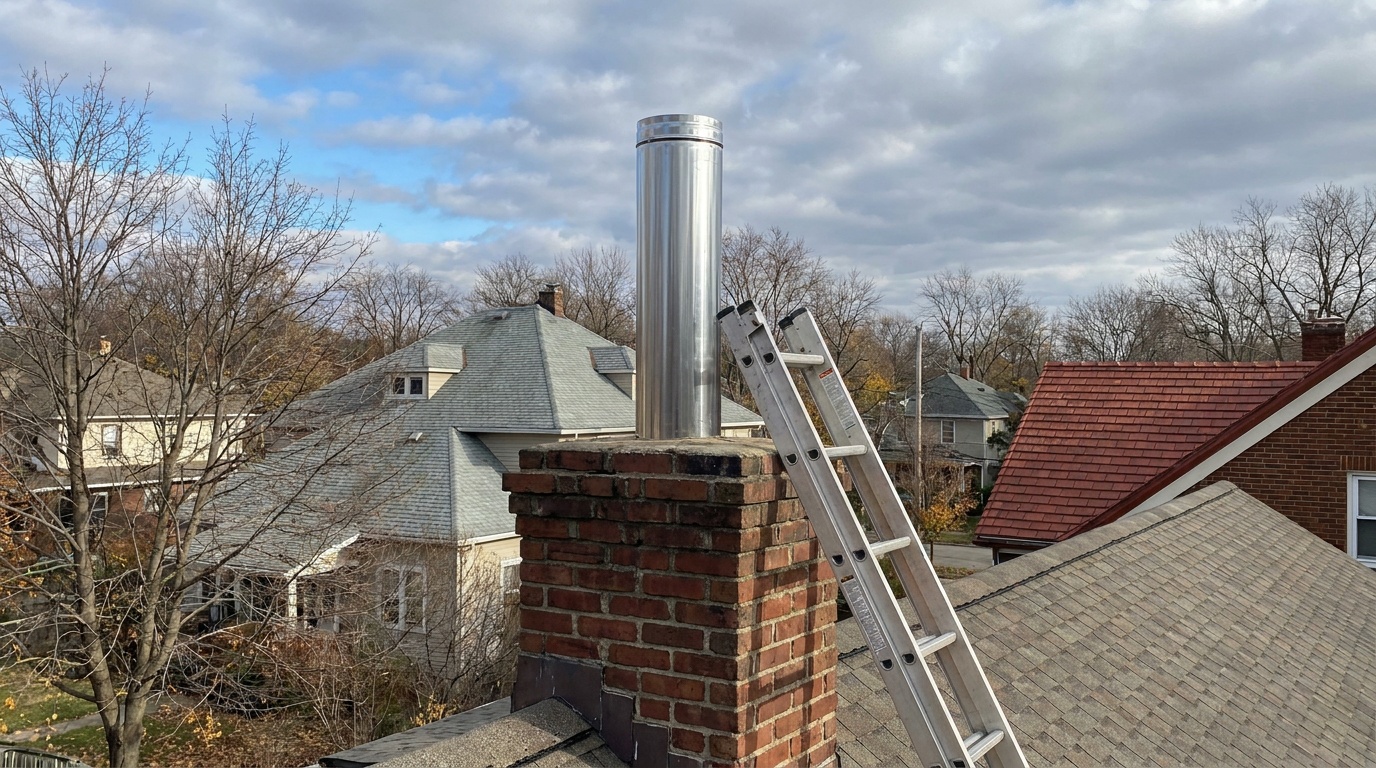
The liner is the continuous surface inside your flue, and it does three things at once: it contains the heat and combustion gases so they don't reach the surrounding masonry and framing, it gives the flue the correct diameter for the appliance so it drafts properly, and it protects the masonry from the acidic byproducts of combustion. A cracked, gapped, or missing liner means heat and gases are reaching material that was never meant to take them.

Material isn't a preference here, it's a code requirement. Wood-burning systems get 316L stainless steel only. Gas appliances can take aluminum. Brown Chimney installs both code-compliant per NFPA 211, complete with top plate, cap, appliance connector, and thimble, sized to your appliance rather than to whatever is on the truck. A camera evaluation of the flue interior comes first — see what that costs on the inspection cost calculator.
stack icon
The Work

What relining actually does.

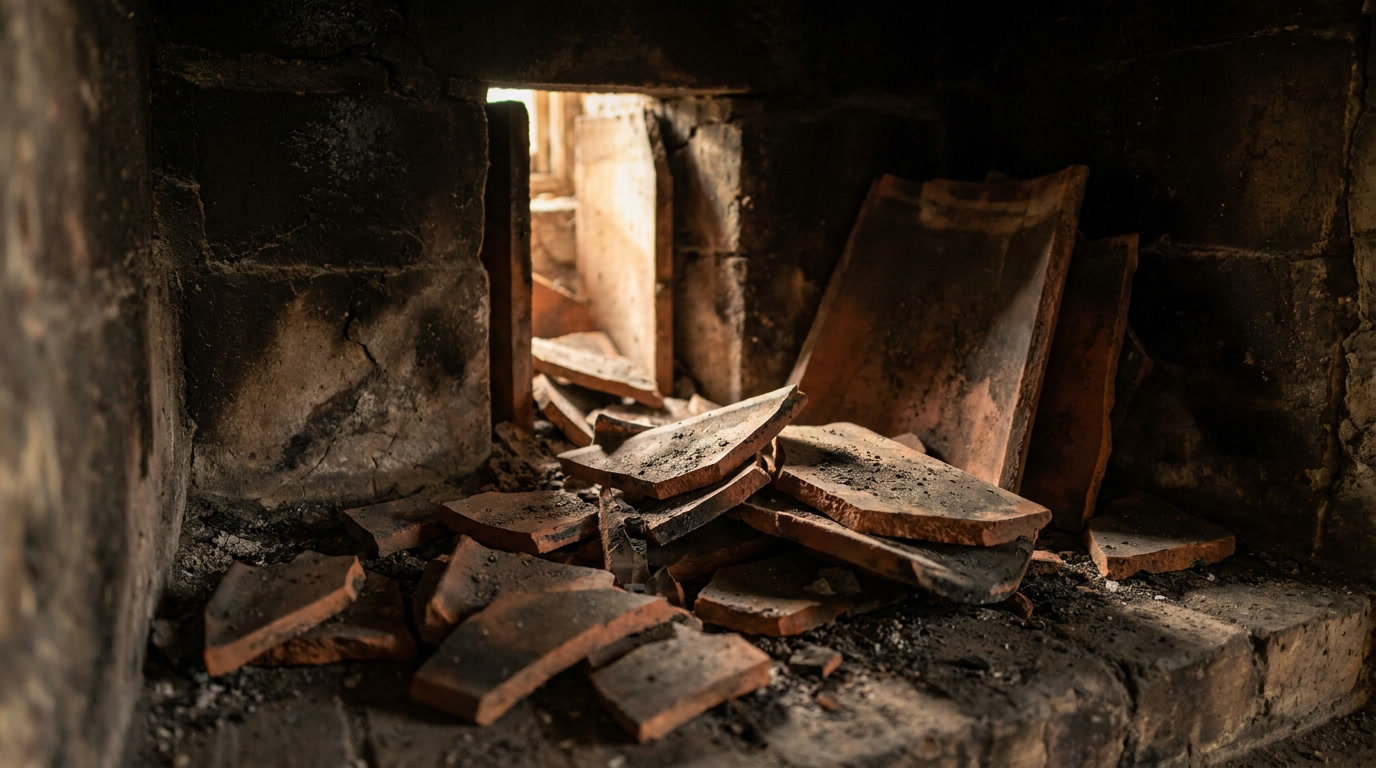
You can't see a failed liner from the room, and that's exactly the problem. Clay tile liners crack from heat cycling, from chimney fires, and from settlement — and a cracked tile is a gap where combustion gases can reach masonry, framing, and eventually the house. There's no symptom in the living room until there is one. A camera run is the only honest way to know.

Relining is also what makes an appliance upgrade possible: a modern insert needs a correctly sized liner running the full flue height, which is why it's part of every fireplace installation package we quote. Where an old liner is already in place, it comes out first and the bare flue gets re-inspected before anything new goes down — because installing over an unknown is how problems get sealed inside a wall.

Related reading: what a chimney flue is and how it works — a plain-English explanation of the system a liner sits inside.
document icon
When to book

When does a chimney need relining?

Liner failure is invisible from inside the house, so most of these signals arrive through an inspection rather than through the fireplace. These are the situations that call for a camera evaluation.

01

You've had a chimney fire — heat almost always damages tile liners

02

A camera inspection found cracked, gapped, or missing flue tiles

03

You're switching fuel type — wood to gas, or gas to wood

04

You're installing an insert or a new appliance

05

The chimney has no liner at all, which is common in older homes

06

Pieces of clay tile are appearing in the firebox

After a chimney fire or a fuel change, a Level 2 camera inspection is the standard — the flue interior has to be documented, not assumed. Book it through chimney inspection and the finding drives the quote.

"

A liner fails silently. There's no smell, no smoke, no sign in the room — right up until there is one. That's why we look before we guess.
Company Owner
cup icon
The Brown Chimney Standard

Built to last. Backed in writing.

1-year workmanship warranty
Every piece of structural labor we perform is covered for a full year — in writing, not in promises.
Same crew, every visit
You get a W-2 technician you'll recognize next year — not a rotating cast of subcontractors.
Photos before, during, after
Your report documents the work at every stage. You see exactly what was done and why.
Price fixed before we start
Measured on site, quoted in writing, approved by you — then the work begins. Never the other way around.
stack icon
What to expect

What happens during a relining?

Relining is quoted after the flue is evaluated. Most standard drop-in installations complete in a day; jobs involving clay tile removal or smoke chamber work take longer and are scoped during assessment.

01

Assessing the existing flue

The flue is assessed before anything is quoted. Where the interior needs to be seen rather than assumed, a camera inspection is offered as its own line — you'll know the cost before we run it.

02

Sizing & material selection

The liner is sized to your appliance and flue. Wood-burning systems get 316L stainless steel only; gas appliances can take aluminum. NFPA 211 sets that rule, not preference or price.

03

Old liner removal

Where a failed liner is already in place, it comes out first — top plate, cap, and full extraction — and the bare flue is re-inspected before anything new goes down.

04

New liner installation

The liner runs the full flue height with top plate, cap, appliance connector, and thimble, code-compliant per NFPA 211. On exterior chimneys and cold climates we'll offer an insulation wrap and price it separately.

05

Connection & documentation

The appliance connection is completed and the installation photographed for your report, with the 1-year workmanship warranty on all labor performed in writing.

Interactive · liner match

What liner does your flue actually need?

Liner material isn't a preference — NFPA 211 decides it based on what you burn. Tell us the appliance, what the flue looks like inside, and how tall the chimney is. We'll show what happens to combustion gases in a failed flue, which material is code-compliant for your system, and the published price lines that apply.

WALL FRAMING FRAMING APPLIANCE / FIREBOX
Combustion gases reaching masonry and framing through failed tile
Continuous liner — gases contained, full flue height
Flue height: 14 ftStatus: Gases reaching masonry & framing
14 ft
Stainless steel only

Stainless — the fuel change decides it

A fuel change resets the whole venting question: the flue has to be re-sized to the new appliance, and any system that will burn wood requires 316L stainless (LNR-001), no exceptions under NFPA 211. If the chimney is going the other way, wood to gas, the old liner comes out first and the new one is sized to the gas appliance rather than to the old firebox.

Code-required material316L stainlessLNR-001 · required for anything wood-burning, per NFPA 211.
ScopeRemove + relineFailed liner extracted and the bare flue re-inspected before anything new goes down.
Warranty1 yearWorkmanship warranty on all labor performed.
  • Level 2 camera inspectionFull flue interior, video record, written report. Credited toward repair work booked from the findings.$149
  • Existing liner removal$695 standard extraction; $1,895 where the liner is damaged, seized, or difficult.$695 – $1,895
  • Stainless steel liner installation$3,495 for a standard drop-in; up to $12,995 where clay tile removal, smoke chamber work, and crown rebuild are part of the job.$3,495 – $12,995
  • Building permit, where the municipality requires oneFlat rate. Application, filing, and inspection coordination.$1,195
  • Workmanship warranty1 year

After a chimney fire, the flue gets documented

Heat almost always damages tile liners, and the damage is rarely visible from the firebox. A Level 2 camera inspection ($149, credited toward booked work) records the full interior; where it indicates hidden damage, a Level 3 investigation ($599–$2,999) exposes the concealed area and re-seals it afterward.

Ranges are from our 2026 price book. Final scope is measured on site and quoted in writing before any work. Brown Chimney · 1-888-666-0002
stack icon
For transparency

What this visit doesn't cover.

The camera evaluation itself — priced as its own line, and credited where it leads to booked work

Insulation wrap for exterior chimneys and cold climates — offered and priced separately

Smoke chamber parging or crown rebuild, if the evaluation finds they're needed

stack icon
FAQs

Common questions about chimney liners

1 icon

How do I know if my chimney needs relining?

Only a camera evaluation of the flue interior can tell you — liner damage is invisible from the room. The common triggers are a chimney fire, a fuel-type change, an appliance upgrade, or an older home with no liner at all. Brown Chimney documents the flue before quoting anything.
Faq Number

What kind of liner does my chimney need?

It depends on the fuel, and it isn't optional. Wood-burning appliances require 316L stainless steel. Gas appliances can use aluminum. NFPA 211 sets that rule, and Brown Chimney installs to it — the liner is also sized to your specific appliance, not to a standard diameter.
3 icon

Do I need a liner if my chimney never had one?

If you're burning anything through it, yes. Many older homes were built with unlined masonry flues, which means combustion gases contact the brick directly. A camera evaluation confirms what's there and what the appliance requires before any work is quoted.
4 icon

Does a new fireplace insert need a new liner?

Almost always. An insert needs a correctly sized liner running the full height of the flue to draft properly and vent safely, which is why the liner is included in every Brown Chimney fireplace installation package rather than quoted as a surprise afterward.
5 icon

How long does a chimney reline take?

A standard drop-in liner installation typically completes in a day. Jobs requiring clay tile removal, smoke chamber work, or a crown rebuild take longer and are scoped during the assessment — the timeline is confirmed in writing with your quote.
stack icon
A safer hearth — for 2026

Sized right, code-compliant, documented.

Every Brown Chimney liner is sized to your appliance, installed code-compliant per NFPA 211, and photographed for your report — with a 1-year workmanship warranty on all labor. Book the evaluation online or call 1-888-666-0002.