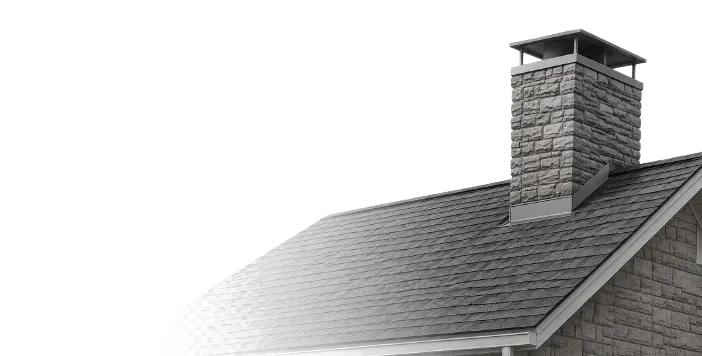

What a chimney "draft test" can reveal about your home's air quality
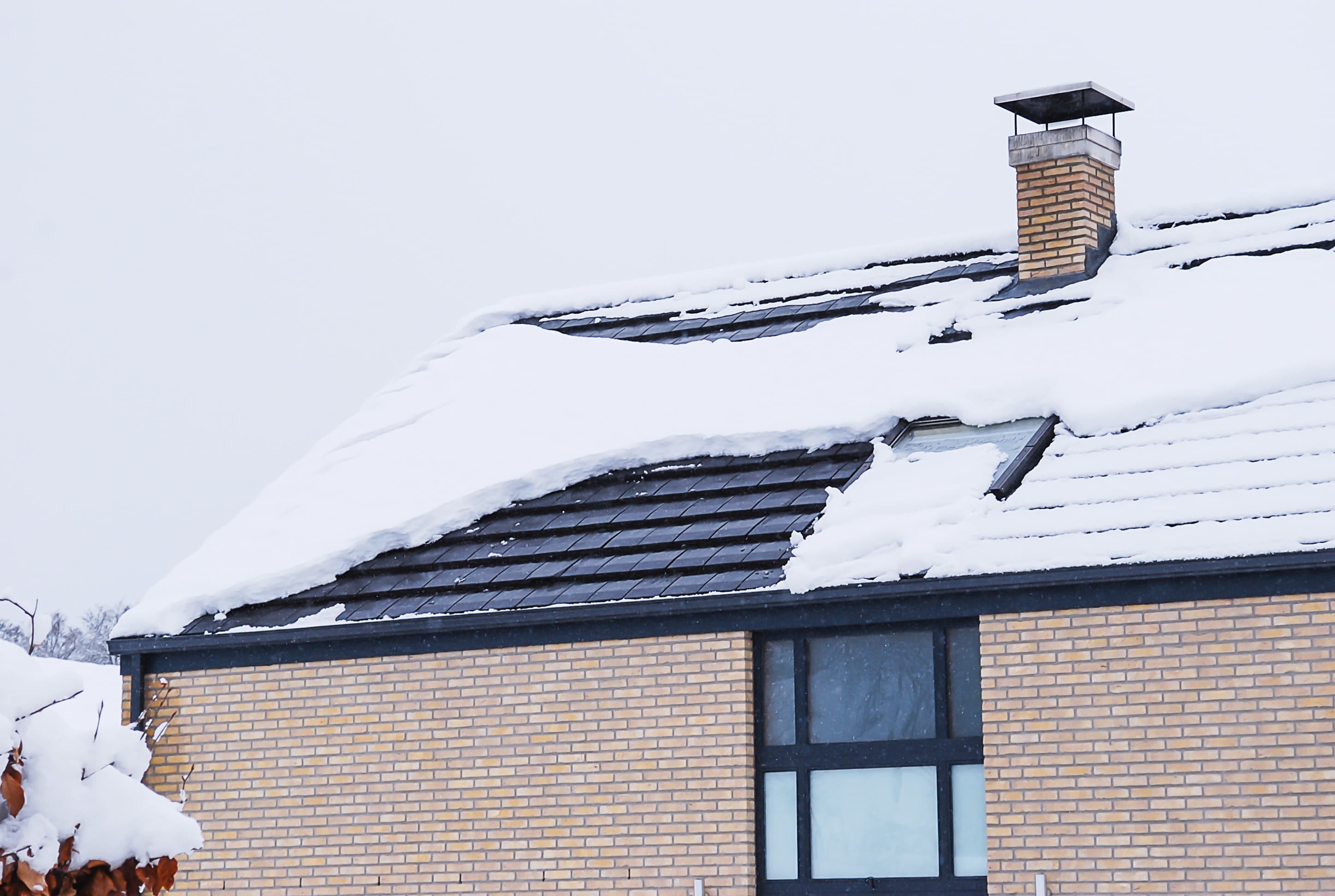


Most homeowners never think about draft until something goes wrong — smoke rolling back into the living room, a fire that won't catch, or a faint smell that lingers long after the last log burned out. Draft is the invisible engine of every fireplace: the upward pull that carries smoke, gases, and combustion byproducts safely out through the flue. When that pull weakens or reverses, everything those gases contain stays in your home instead.
A chimney draft test measures that pull directly. It's a simple diagnostic on its own, but what it reveals reaches well beyond the fireplace — into how your whole house breathes.
What draft actually is
Draft is a pressure difference. Warm air inside the flue rises because it's lighter than the cooler air outside, and that upward movement creates suction at the bottom that pulls smoke and gases up and out. The taller the chimney and the hotter the flue, the stronger the pull.
Several things can weaken it: a flue that's too cold to establish rise, a partial blockage from creosote or debris, a chimney that's undersized for the appliance, or negative pressure inside the house pulling air the wrong way. A draft test tells you which of these is happening — and whether the air in your flue is moving out, as it should, or backing in.
How a draft test works
A technician has a few ways to measure it, from simple to precise.
The smoke test is the most visual. A small amount of smoke is introduced near the fireplace opening or flue, and its direction is watched. Smoke that rises steadily up the flue means healthy draft. Smoke that hangs, drifts sideways, or curls back into the room signals a draft problem worth investigating.
A manometer or draft gauge measures the actual pressure difference between the flue and the room, giving a number rather than a visual impression. This is what separates a professional assessment from a guess — it quantifies how strong the pull is and whether it falls within the safe range for your appliance.
The most telling test happens under real conditions: with the fireplace burning and the home's HVAC, exhaust fans, and dryer running the way they normally do. This is where hidden problems surface, because draft isn't only about the chimney — it's about how the chimney competes with everything else in the house pulling on the same air.
What draft reveals about your air quality
This is where a draft test earns its place beyond the fireplace. Poor draft doesn't just make fires hard to light — it changes what you're breathing.
When draft reverses, a condition called backdrafting, combustion gases that should exit through the flue spill back into your living space. The most dangerous of these is carbon monoxide: colorless, odorless, and impossible to detect without an alarm. A chimney that backdrafts is quietly pulling that gas into the rooms where you sleep.
Even without full reversal, weak draft leaves smoke and fine particulates lingering longer in the air, settling on surfaces and circulating through your HVAC. Over a season, that shows up as soot film on walls, stubborn odors, and irritation for anyone in the house with asthma or allergies.
There's also a whole-house signal here. If your home is tightly sealed and running powerful exhaust fans, those appliances can depressurize the interior enough to overpower a weak chimney and reverse its draft entirely — the EPA notes that bathroom fans, range hoods, and clothes dryers can pull combustion gases back down a flue and into the house. A draft test that fails under normal operating conditions isn't only a chimney finding — it's telling you something about how your entire house handles air.
When to test your draft
Some moments call for it directly. If smoke enters the room when you light a fire, if the fireplace is hard to start or keep going, or if you notice odors or soot buildup you can't explain, draft is the first thing to check.
Beyond troubleshooting, a draft test belongs in a few routine situations: after any work that changes your home's air envelope — new windows, added insulation, a new HVAC or exhaust system — since tightening the house can starve the chimney of the makeup air it needs. It's also worth doing after installing a new appliance sized differently from the old one, and as part of the annual inspection every heating season.
A draft test tells you that the air in your flue isn't moving the way it should. A full professional chimney inspection tells you why — whether the cause is a blocked flue, a failing damper, an undersized chimney, or a pressure imbalance inside the house itself. The test is the symptom check; the inspection is the diagnosis.
Don't wait for the warning signs
Draft problems rarely announce themselves clearly. By the time smoke is visibly backing into the room, the underlying issue — a blockage, a liner problem, a house pulling harder than the chimney can push — has usually been building for a while. And the most serious consequence, carbon monoxide entering your living space, gives no warning at all without a working alarm.
That's what makes draft worth testing before you have a reason to. Draft testing isn't something you book on its own — it's part of a standard inspection visit, so before you schedule one, take a look at how chimney inspection pricing breaks down in 2026 so you know what to expect.
A chimney's job is to move air in one direction: out. A draft test confirms it still does — and protects the air you breathe the rest of the year.



RELATED ARTICLS

Schedule an Inspection Now
with expert chimney care.