Chimney Waterproofing in Burlington

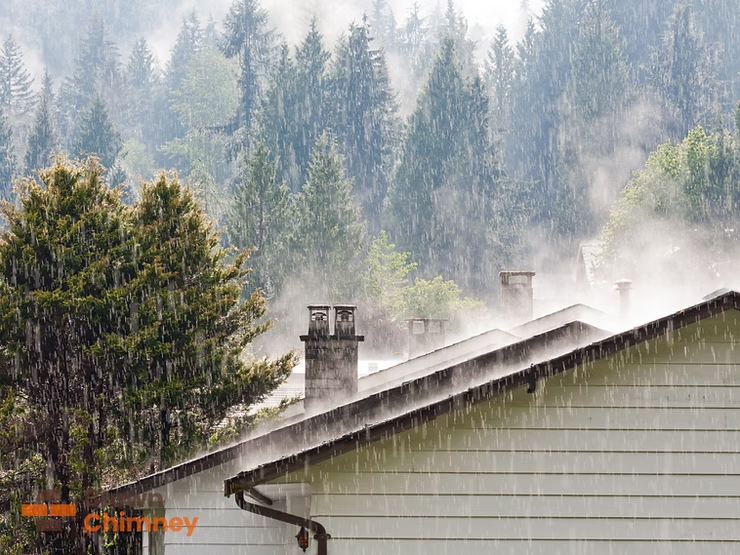
A chimney nobody uses stays wet far longer than one that still works

5.0 · 53 Burlington reviews

CSIA & NFPA certified

1-year workmanship warranty

Same-day PDF report

Number section icon
Pricing, before you commit

Worth doing, but rarely worth doing first.

On sound masonry this is preventive work that pays for itself. Over failing joints it is money spent making things worse. The assessment decides which situation you are in.

Open Cost Calculator

Open Cost Calculator

No email required · Instant estimate

Estimate preview

Live

waterproofing

Quoted after masonry assessment

Inspection (credited)

−$49

Typical job

Two-coat application

Final price quoted in writing before any work.

faq svg
The craft, done properly
CHIMNEY WATERPROOFING IN BURLINGTON, MA

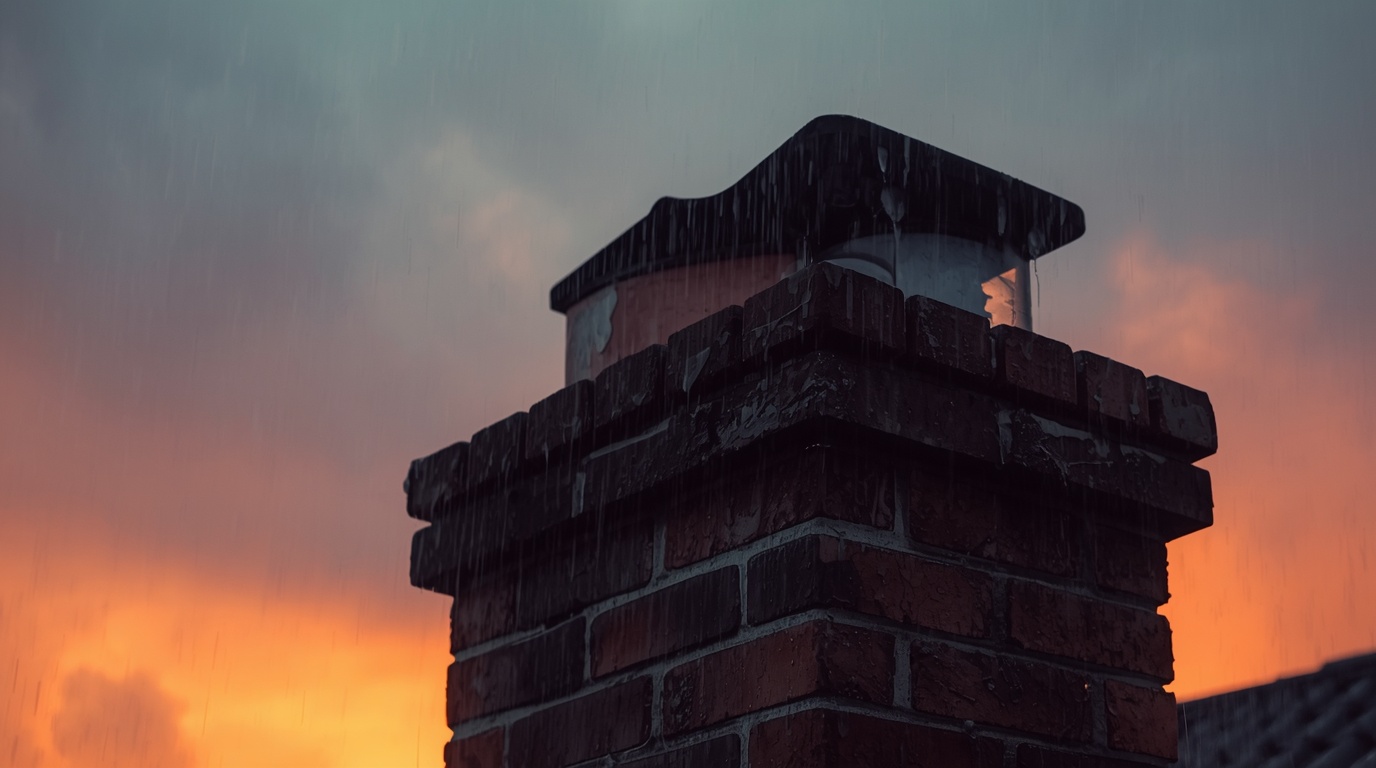
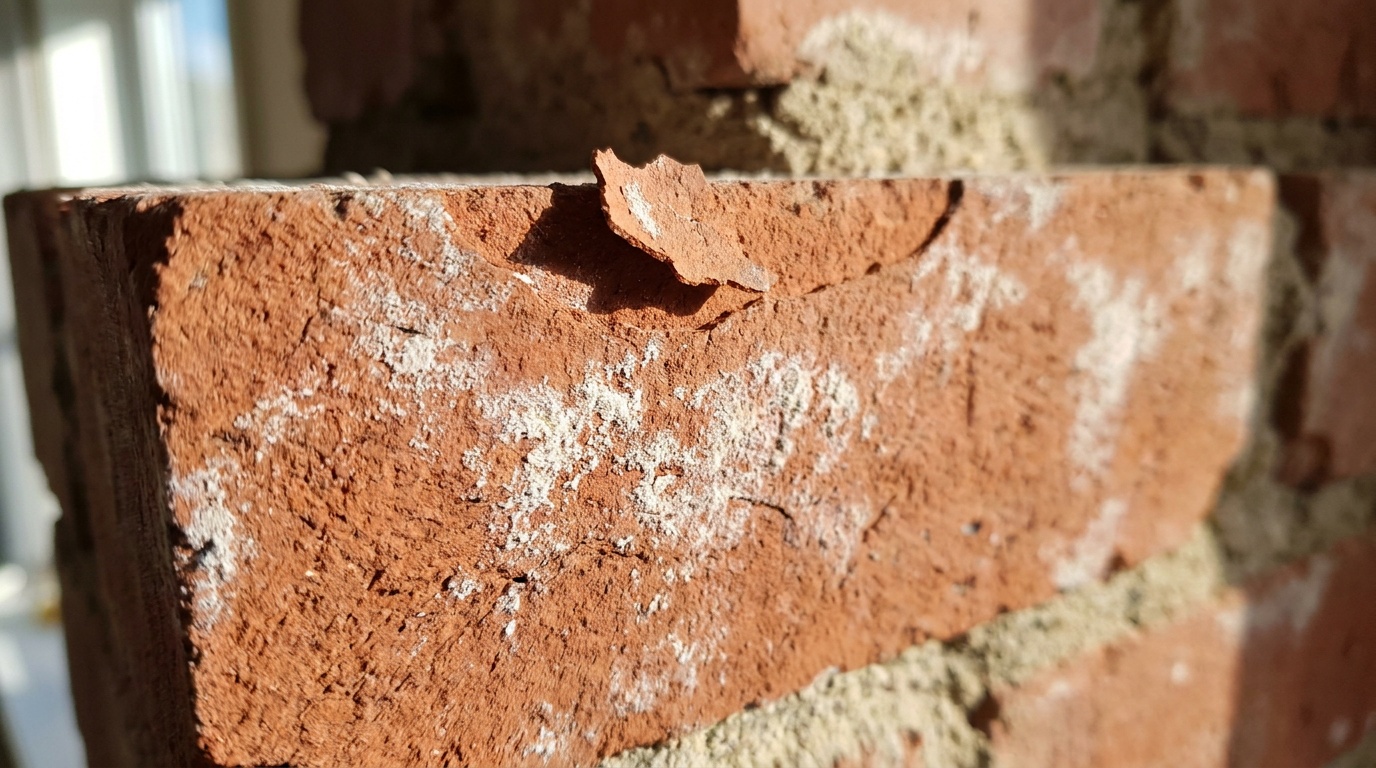
Masonry gets wet. That is normal and survivable, provided it can dry outward again afterwards. What is not survivable is water that gets in and then cannot leave, because when it freezes it expands inside the brick rather than on it — and that is what takes the face off.

So the product matters more than the application. Brown Chimney uses penetrating vapor-permeable sealers only, never film-forming ones. A penetrating sealer repels liquid water while letting vapor pass outward; a film traps moisture behind it and turns an ordinary wet chimney into a spalling one. Two coats, across all exposed brick and mortar above the roofline, on masonry that is clean and dry.

There is a distinction worth drawing in a town with both working and retired chimneys. A flue that still carries an appliance stays warm and dries from the inside; a stack that has been out of service for years does not, and it holds moisture through the whole cold season. Those two chimneys need the same product and a very different sense of urgency. Our waterproofing service page sets out the standard.
stack icon
The Work

Sealing the wrong chimney is worse than sealing none.

Three things produce the same bad outcome: a film-forming product, an application onto masonry that is still damp, and a sealer laid over joints that are already letting water in behind the face. Each of them ends with water inside the brick and no way out, which is precisely the condition this service exists to prevent.

That is why sequence is not a formality here. Repointing comes first where the mortar has gone, and the crown is dealt with before anything is applied, since water arriving from the top does not care what has been painted onto the sides. Once those are sound, sealing them protects work worth protecting. It applies to a fireplace you never light as much as to one you do.

Sealing runs from both Massachusetts offices — Wellesley takes the towns to the south, and the state page covers the rest. Local services are on the Burlington page.
document icon
When to book

Signs a Burlington chimney should be sealed.

This is preventive rather than corrective work, so the indicators are early ones. The last one on the list is not damage at all.

01

White powdery staining on the exterior brick

02

Brick that darkens and stays dark for days after rain

03

Damp patches on the chimney breast inside the house

04

Moss or green growth on the masonry above the roofline

05

Brick faces beginning to flake or shed a fine grit

06

Repointing or crown work recently completed

That last one is timing rather than a symptom. Freshly repointed masonry is the ideal moment to seal, because the joints are sound and the sealer is defending good work instead of hiding bad. It is offered after every repointing job for exactly that reason.

"

Brick needs to breathe. Seal it with the wrong product and you've trapped the water inside — we've replaced more brick ruined by bad sealer than by bad weather.

Company Owner
cup icon
The Brown Chimney Standard · Burlington

Oil, gas, and what the flue was built for.

Both fuels are common here
Plenty of Burlington homes heat with gas and plenty still heat with oil. That matters more than it sounds: the appliance decides what the flue has to be, and a liner that suits one is not automatically right for the other. We establish what is venting through your chimney before quoting anything.
Sixty-year-old liners are not unusual
Some homes from the town's post-war expansion still have their original clay flue liners. Age alone is not a fault, and we will not tell you it is — but it is worth knowing what is up there rather than assuming.
1-year workmanship warranty
Every piece of structural labor we perform is covered for a full year — in writing, not in promises.
Price fixed before we start
Measured on site, quoted in writing, approved by you — then the work begins. Never the other way around.
Interactive · seal readiness

Should your chimney be sealed — or repaired first?

Sealer protects sound masonry; it cannot fix a failing joint, and a film-forming product traps water inside the brick. Set your chimney's condition below and watch what a two-coat vapor-permeable sealer actually changes — then see the order the work should happen in.

Rain on untreated masonry
Water into the brick: Deep Vapour can escape: Yes, but it keeps refilling
Repair first

Sealing this today would be the wrong call

With crumbling joints and spalling faces, water is already past the surface. A coating over failed masonry hides the problem and can trap the moisture that is in there. Repair, then seal — in that order.

  1. 01Crown assessed and sealed or repaired$249–$875

    Crown sealing is our published range for structurally intact crowns. If it is cracked through, crown repair is measured on site — sealing walls under an open crown just delays the same leak.

  2. 02Tuckpointing — mortar joint repair$595–$4,995

    Deteriorated joints are ground out and repacked with refractory-grade mortar tooled to match. Sealer cannot bridge a failing joint, so this comes first.

  3. 03Spalled brick replacement or rebuild scopeMeasured on site

    Faces already flaking through mean water is inside the brick. Replacement is priced after the damaged brick count is taken.

  4. 04Brick sealer & waterproofing — two coats$2,725

    Penetrating vapor-permeable sealer applied to full coverage on all exposed brick and mortar above the roofline. Never film-forming.

  5. 05Lift / scaffolding add-on$1,249

    Added only when standard ladder access is not safe, and documented with photos before it is charged.

  • Sealer typeVapor-permeable, two coats
  • Chimney profileLarge / tall — upper end of range
  • Order of workRepair first, seal after
  • Warranty on labor1 year
  • $49 inspection credited toward work−$49
Brown Chimney · Vapor-permeable sealer, two coats, 1-year workmanship warranty Prices are our published ranges — final figure measured on site and quoted in writing.
stack icon
What to expect

What happens during a Burlington sealing visit.

The masonry is assessed before a price is given, because sealer only belongs on sound, clean, dry brick. Where the joints or the crown need attention first, that gets said plainly and this work waits behind them. Application itself is usually half a day. Weather sets the schedule more than access does — a chimney that has taken rain in the past few days is not ready, and we would rather rebook than seal moisture in.

01

Masonry condition check

Sealer doesn't fix failing joints. If the mortar is deteriorated, tuckpointing comes first — and we'll tell you that before taking money for a coating that can't hold.

02

Cleaning & drying the masonry

Masonry has to be clean and dry before anything is applied. Debris, efflorescence, and loose material are cleared from every exposed face above the roofline.

03

First coat application

A penetrating vapor-permeable sealer goes on all exposed brick and mortar above the roofline. Never film-forming — a sealed skin traps moisture inside the masonry and destroys brick faster than rain ever would.

04

Second coat

A second coat is applied over the first. Two coats is the standard here; a single coat is the shortcut that shows up as failure a few seasons later.

05

Inspection & photo report

Coverage is checked across every face, the finished work photographed for your report, and backed by the 1-year workmanship warranty on all labor performed.

stack icon
For transparency

What sealing does not cover.

Failing joints. A sealer cannot bridge open mortar and will not be asked to try. Repointing is quoted first and this follows it as its own line.

The crown. Water coming through a cracked slab bypasses the face of the chimney completely, and no amount of sealer on the sides addresses it.

Brick that has already lost its face. Once a unit has spalled through, sealing preserves the damage rather than reversing it — those bricks are replaced individually and priced separately.

stack icon
FAQs

Common questions about chimney waterproofing in Burlington

1 icon

Is this the same as painting the brick?

The opposite, in effect. Paints and film-forming sealers sit on the surface and stop masonry breathing outward. We use penetrating vapor-permeable sealers, which keep liquid water off while letting moisture vapor escape. Through a New England winter, a film does real damage.
Faq Number

Our chimney has not been used in years. Does it still need this?

Arguably more. A working flue stays warm and helps the masonry dry from the inside; a disused stack has nothing doing that and holds moisture right through the cold months. An unused chimney is not a chimney with no maintenance — it is one with no help.
3 icon

We just had the chimney repointed. Now or later?

Now. The joints are sound, so the sealer is protecting good work rather than covering bad. Waiting means fresh mortar takes a full season of weather before it gets any protection at all.
4 icon

How long does it last before it needs redoing?

It depends on exposure and on what sits above the joint. A sealed chimney under a cracked crown will not hold, because the water is coming from the top rather than through the face. Which is why the crown gets checked before this is quoted rather than afterwards.
5 icon

Can you apply it any time of year?

Not any time. The masonry has to be clean and genuinely dry, which rules out a good deal of the calendar here. We move dates rather than apply to damp brick, because sealing moisture in is the single outcome this service exists to avoid.
stack icon
A safer hearth — for 2026

Repels water. Lets vapor out.

Every Brown Chimney sealing job uses a two-coat penetrating vapor-permeable sealer on masonry assessed as sound and dry. Quoted in writing, with a 1-year workmanship warranty on structural labor. Call 781-547-7784.