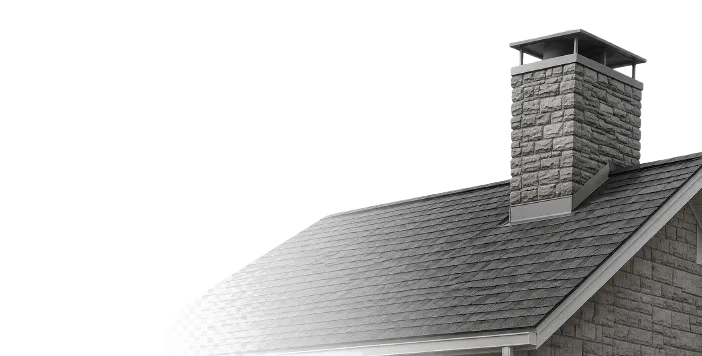

Clay Tile vs. Stainless Steel Chimney Liner: Which One Does Your Chimney Need?
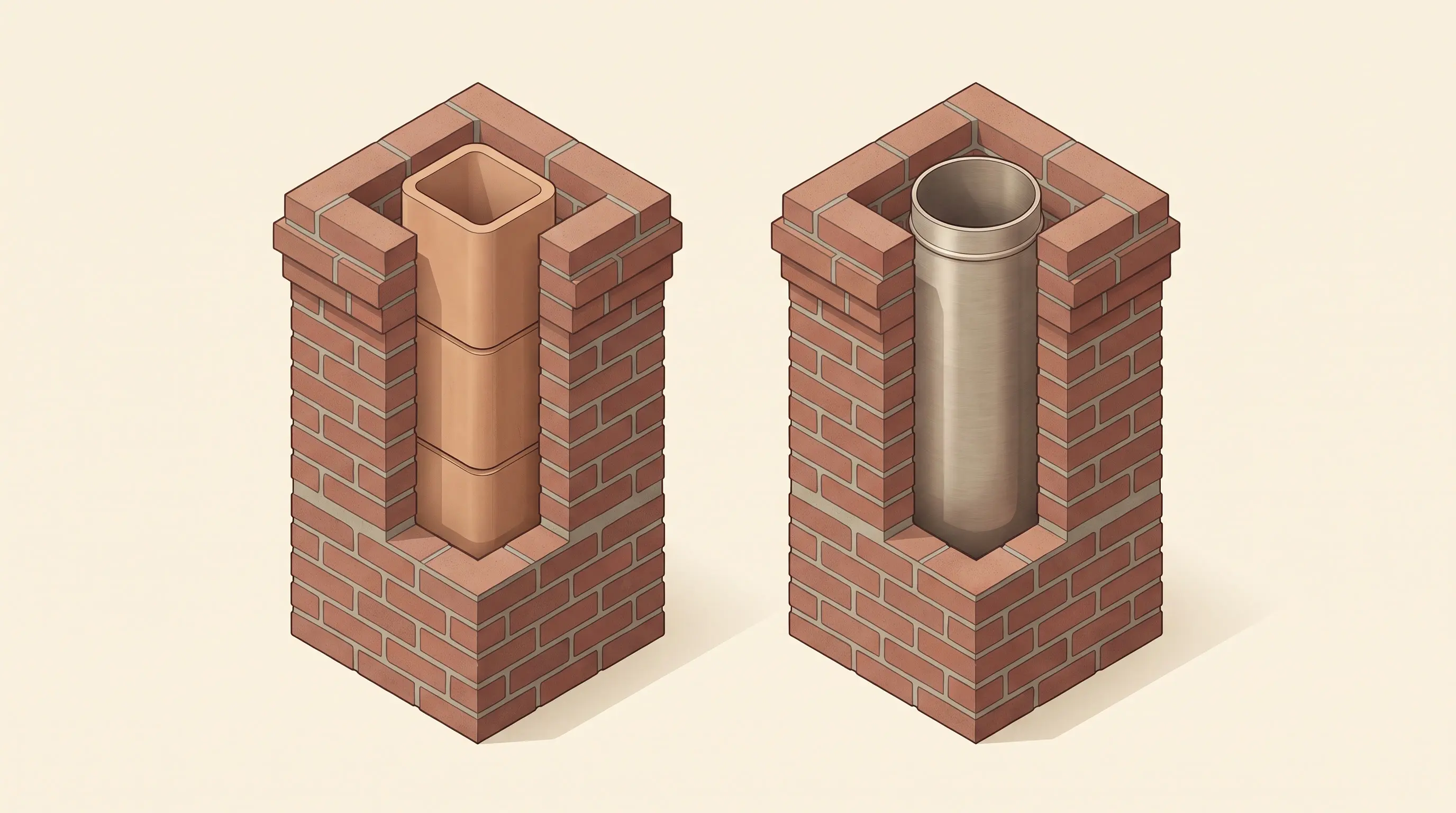


An existing clay tile liner may remain suitable if it is sound, properly constructed and correctly sized for the fireplace or appliance it serves. A listed stainless steel liner is often considered when a masonry chimney needs relining because of damage or an appliance change. The right choice depends on inspection findings, appliance requirements and the installation conditions—not simply which material sounds more durable.
For an existing chimney, the decision is usually whether to retain the current lining, repair it where appropriate or install a suitable relining system. This guide compares two common options; it is not an exhaustive list of lining and venting systems.
First, Is This a Liner Problem or a Chimney Problem?
The flue is the passage that carries combustion gases outdoors. The liner forms its protective inner surface. The surrounding masonry is a separate part of the assembly.
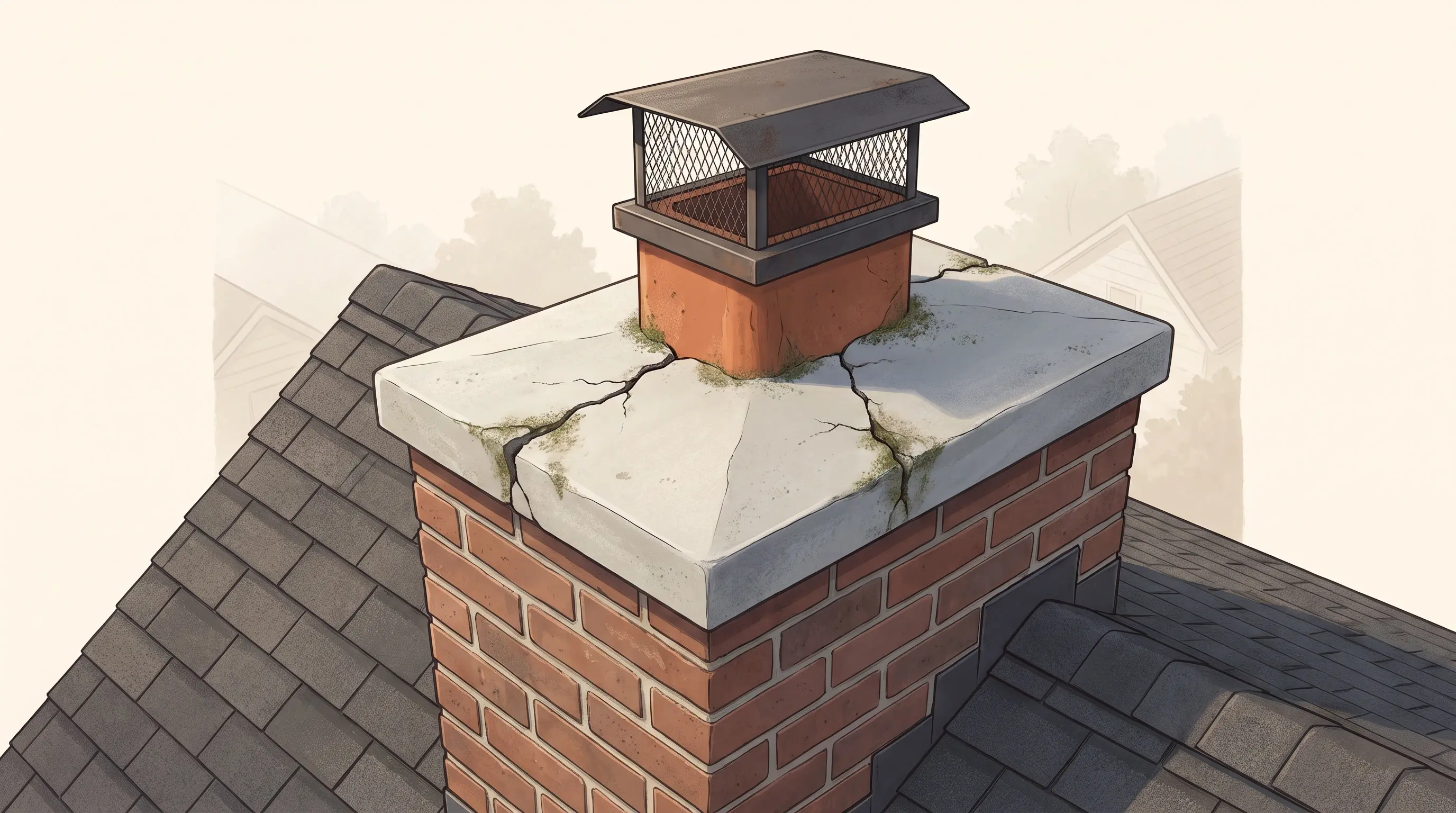
This distinction matters because a new liner does not rebuild unstable brickwork, repair flashing or replace a damaged crown. If you want the terminology explained first, read what a chimney flue is and how it works.
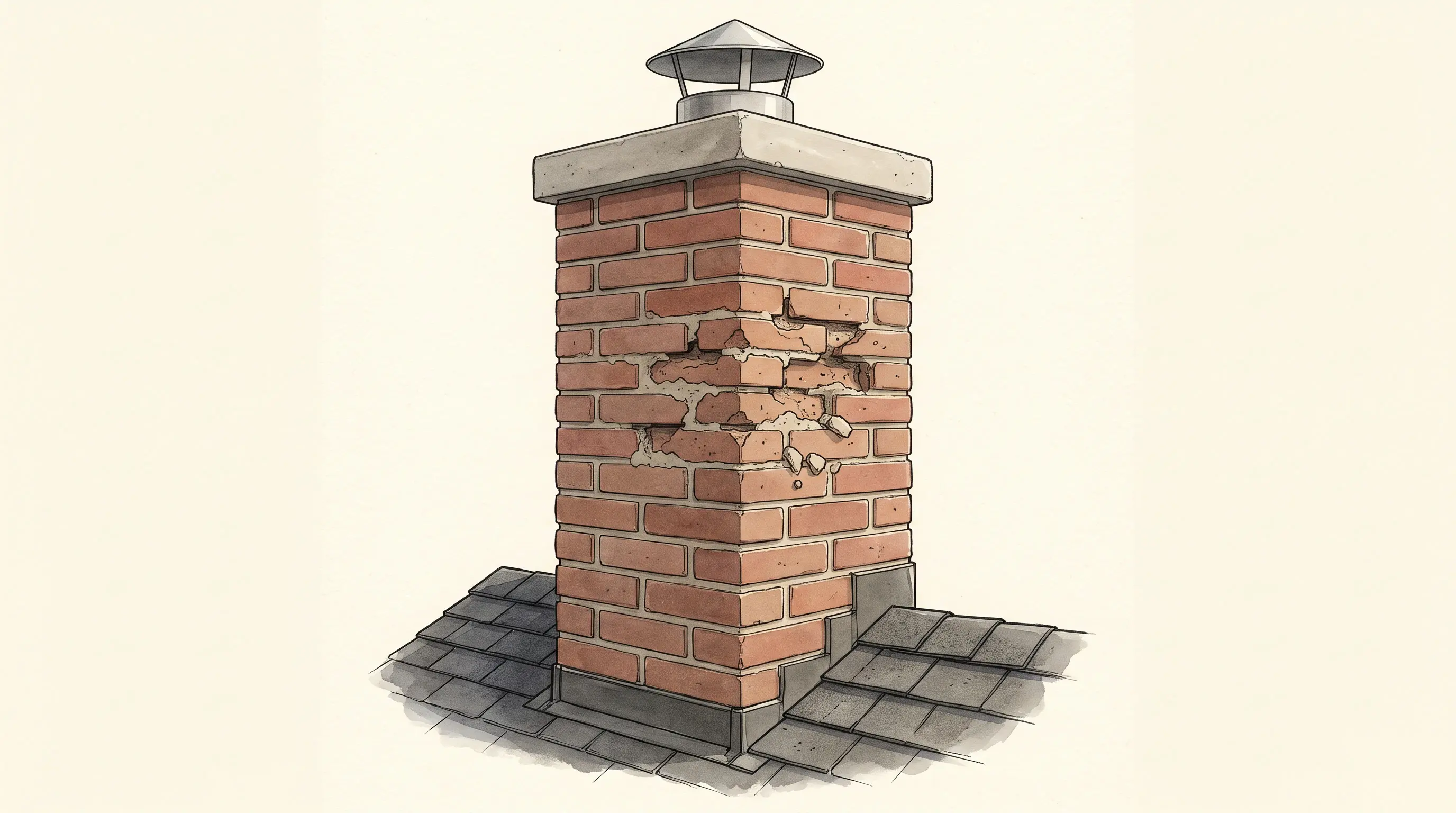
If your starting point is clay fragments, an inspection finding or suspected internal damage, our guide to signs your chimney liner has failed covers the warning signs. This comparison focuses on choosing the next step after assessment.
Clay Tile vs. Stainless Steel Chimney Liners: At a Glance
Decision factorClay tile liningStainless steel liningTypical contextOften part of the original masonry chimney constructionA common option for relining an existing masonry chimneyExisting conditionSound tiles and joints may be retained when suitable for the connected systemA new liner still requires assessment of the chimney around itChanges in applianceExisting dimensions and condition must suit the new applianceA suitable listed system can provide the required venting dimensionsInstallation in an existing chimneyReplacing inaccessible tiles can involve substantial workInstallation depends on available space, offsets and the complete liner assemblyMaterial selectionTile condition, joints and construction details matterAlloy, product listing and permitted applications matterInsulation and clearancesAssessed as part of the masonry chimney constructionDetermined by the liner instructions and installation conditionsMaintenanceInspection and cleaning remain necessaryInspection and cleaning remain necessary
Neither material is a universal answer. A suitable liner must work as part of the complete venting system. A product’s listing identifies the applications and conditions for which it has been evaluated; it does not approve every possible installation.
When Can an Existing Clay Tile Liner Stay?

Clay tile does not need replacement merely because it is older than a stainless steel alternative.
The assessment should establish whether the tiles and joints remain serviceable, whether the chimney is appropriately constructed and whether the flue is suitable for its present use. Retaining a sound lining is a different decision from trying to reuse one with documented defects.
Clay can be damaged by movement and thermal shock, including the rapid temperature changes associated with a chimney fire. The Chimney Safety Institute of America’s technical publication on chimney fires discusses these failure mechanisms. Material age alone does not establish the condition of a particular flue.
If a report recommends replacement, ask it to identify the actual reason: damaged tiles, failed joints, unsuitable dimensions or another documented deficiency.
When Does Stainless Steel Relining Make Sense?

Stainless steel relining is worth evaluating when the existing lining cannot appropriately serve the intended appliance or fireplace.
Possible reasons include:
- Documented liner damage.
- An unlined masonry chimney.
- A change to an appliance requiring different flue dimensions.
- A venting configuration that needs an appropriately listed replacement lining system.
The proposal should identify the specific product and its permitted applications. “Stainless steel” describes a material family, not a complete specification.
For example, DuraVent’s stainless steel liner range includes different products and alloys with stated applications. A recommendation should name the suitable system rather than assume one grade works for every fuel and appliance.
Does the Existing Clay Liner Have to Be Removed?
Not always. Some listed stainless steel systems permit installation inside existing clay tiles. Other projects require tile removal to accommodate the correctly sized liner and its required installation arrangement.
DuraVent’s flexible liner installation instructions, for example, describe both installation within existing tiles and installation after tile removal. That permission applies to the specified products and conditions; it is not blanket approval for every chimney.
Ask your contractor:
- Will the tiles remain or be removed?
- What inspection findings support that decision?
- Is there space for the required liner size and insulation?
- Does the quote include any necessary removal and disposal?
Choosing a smaller liner simply because it fits is not a substitute for determining the correct size.
How Does the Fireplace or Appliance Affect the Choice?
An Existing Open Wood-Burning Fireplace
If the fireplace will remain in use as an open fireplace, the assessment must consider that configuration. A liner sized for a stove is not automatically suitable for an open fireplace.
A sound existing clay lining may remain appropriate. If defects are found, the proposed repair or relining system should address the actual fireplace and chimney arrangement.
A Wood Stove or Fireplace Insert
An appliance change can make relining necessary even when the existing tiles do not look damaged. The appliance’s venting requirements may differ from those of the original fireplace.
A technical paper on chimney relining considerations, hosted by DuraVent, identifies changes of use and flue sizing as reasons to evaluate relining.
A Gas Appliance or Gas Conversion
“Gas” alone does not identify the correct venting system. The exact appliance model and its installation instructions must determine the permitted materials, dimensions and configuration.
Do not assume that an existing clay flue, a general-purpose stainless steel liner or an aluminum liner is suitable simply because the appliance burns gas. Some appliances use dedicated vent systems outside the scope of this clay-versus-stainless comparison.
Why Insulation Belongs in the Comparison
Comparing an insulated liner proposal with a bare-liner proposal can mean comparing different installation scopes.
Insulation can be important for temperature control and for meeting the conditions of a liner’s safety listing. Requirements depend on the product, fuel, surrounding construction and clearances.
The CSIA’s homeowner guidance discusses why insulation is particularly important for liners serving wood-burning appliances. Ask the installer to explain the proposed insulation arrangement and the instructions supporting it.
A complete quote should make this visible rather than leave you to discover later whether insulation was included.
Is Stainless Steel Relining the Same as Installing a Prefab Chimney?
No. A stainless steel liner inside an existing masonry chimney and a factory-built metal chimney are different assemblies.
If your fireplace uses a factory-built chimney, the approved repair or replacement options depend on that system’s identification, listing and manufacturer instructions. A masonry relining product should not be treated as a universal replacement component.
Our masonry vs. prefab chimney comparison explains the broader construction difference.
Which Chimney Liner Option Costs Less?
For an existing chimney, compare the complete installed scope rather than the price of the lining material alone.
Ask each proposal to identify:
Quote itemWhat you need to understandExisting liner workRetention, repair or removalNew lining systemProduct, size, length and intended applicationInsulationWhat is included and whyConnections and terminationComponents needed for the proposed systemAccessRoof access or equipment requirementsRelated masonry workRepairs needed before or alongside relining
A low material price does not reveal the labor involved in reaching damaged tiles. Equally, a stainless steel liner quote is incomplete if it leaves necessary components or preparation undefined.
If the masonry itself requires reconstruction, review our chimney rebuild cost calculator for that separate scope. A liner problem by itself does not establish that rebuilding is necessary.
Frequently Asked Questions
Is a Stainless Steel Chimney Liner Always Better Than Clay Tile?
No. A sound clay tile lining may remain suitable for the existing fireplace or appliance. Stainless steel is a common relining option, but the correct choice depends on condition, sizing, compatibility and installation requirements.
Can a Stainless Steel Liner Go Inside Clay Tiles?
Some listed systems allow it. The installer must confirm the existing chimney condition, available space and the product’s requirements. Tile removal may be necessary on other projects.
Does Every Gas Conversion Need a New Liner?
Not automatically. Every conversion needs a venting assessment for the specific appliance. Whether a new liner or a different venting system is required depends on the existing installation and the appliance instructions.
Will a New Stainless Steel Liner Fix Damaged Brickwork?
No. Relining does not replace structural masonry repairs. If the chimney is unstable or has deteriorated brickwork, that work must be assessed separately and coordinated with the liner installation.
How Long Will a New Liner Last?
There is no single service-life figure that applies to every installation. Product selection, installation, use and maintenance all matter. Review the actual warranty and its conditions rather than treating a warranty label as a guaranteed lifespan.
Can I Use the Fireplace While Deciding What to Do About a Damaged Liner?
If an inspection has identified a liner defect that makes the system unsafe, stop using the connected fireplace or appliance until the defect has been resolved and the system cleared for use. Choosing a replacement material does not make the existing defect safe.
Get a Recommendation for Your Actual Chimney
Ask for a recommendation that identifies the existing condition, the appliance requirements and the reason for the proposed repair or replacement.
Brown Chimney’s chimney liner and relining service is the next step for assessing the lining system. Where the findings also involve the surrounding masonry, our chimney repair services cover that separate part of the work.


RELATED ARTICLS
Schedule an Inspection Now
with expert chimney care.