
Chimney Inspection When Buying a House: What Level You Need and What It Finds


Buying a house with a fireplace? A general home inspection usually does not include a camera scan of the flue. A Level 2 chimney inspection does, and it is the appropriate assessment before a home purchase.
A fireplace is easy to like on a showing. The firebox looks clean, the mantel is nice, and the seller says it “works fine.” None of that tells you what the flue looks like eight feet above the damper.
This guide explains what a home inspector checks, what a chimney inspection adds, and how to use the findings before you close.
Does a Home Inspection Include the Chimney?
Partly. A general home inspection covers readily accessible parts of the fireplace and chimney. It usually does not include a full internal camera scan of the flue.
The ASHI Standard of Practice for fireplaces and chimneys requires the inspector to inspect fireplaces, stoves, chimneys and vent systems. The same standard says the inspector is not required to inspect the interiors of flues and chimneys that are not readily accessible, or to determine draft characteristics.
In practice, a home inspector reports what is visible: the firebox, the damper, the chimney from the ground or roof, and the flashing. A cracked flue tile halfway up the chimney is outside that view.
Many home inspection reports say so directly and recommend a chimney specialist. If yours does, that line is a prompt to act, not boilerplate.
Before you buy
What a showing can’t show you
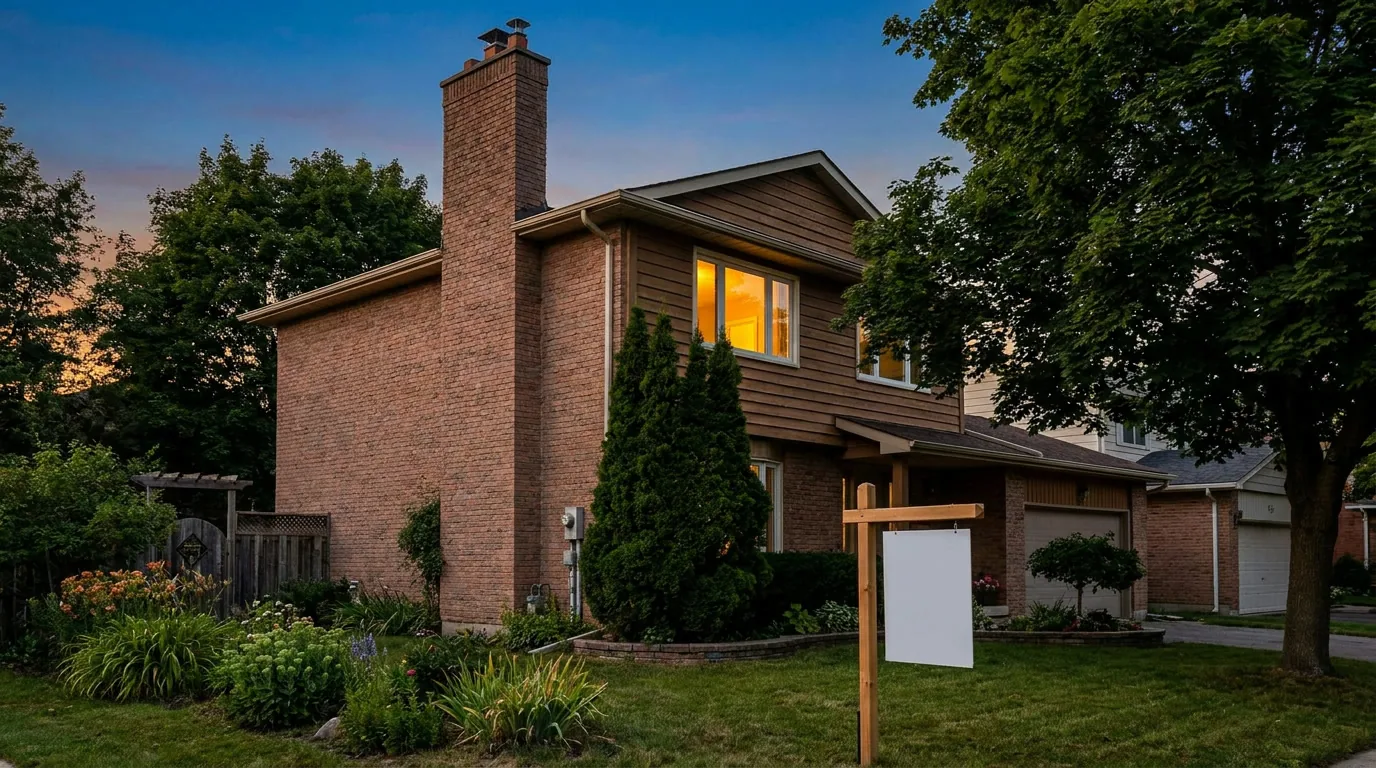
From the driveway, a chimney is a stack of brick. Drag the slider across the house to see what a Level 2 camera inspection looks at, then pick a point to compare what you can spot yourself with what the inspection checks.
Top of the chimney
What you can spot on a showingA missing cap, a cracked crown, or a top that leans. Binoculars or a phone zoom from the yard help.
What a Level 2 inspection checksThe crown, the cap and the top flue tile, for cracks, gaps and displacement.
Where the chimney meets the roof
What you can spot on a showingRusted or lifted flashing outside, and water stains on the ceiling or wall near the chimney inside.
What a Level 2 inspection checksThe flashing and the masonry at the roofline, plus the accessible underside for signs of water entry.
The attic around the chimney
What you can spot on a showingUsually nothing. Few buyers get into the attic, and the area beside the chimney is easy to miss.
What a Level 2 inspection checksAccessible attic areas: the framing beside the chimney, clearances to wood, and any staining or scorching.
Inside the flue
What you can spot on a showingNothing. A clean firebox says very little about the flue above it.
What a Level 2 inspection checksA camera scan of the liner and its joints, looking for cracked tiles, open joints, heavy deposits and blockages.
Firebox and damper
What you can spot on a showingCracked firebrick, a damper that will not move, flakes of tile on the firebox floor, or a strong smoky or damp smell.
What a Level 2 inspection checksThe firebox, the damper and the smoke chamber above it, including the parts you cannot see from the room.
Buying a home with a fireplace? Book a chimney inspection and tell us your inspection deadline. Findings are explained on site with photos.
An illustration of what is examined, not a diagnosis of any home. What can be inspected depends on the access available.
Which Chimney Inspection Do You Need When Buying a House?
For a home with a chimney, a Level 2 inspection is the appropriate pre-purchase assessment. Whether it is mandatory for your transaction depends on local requirements and the terms of your purchase.
The Chimney Safety Institute of America’s Level 2 inspection procedure, which references NFPA 211, lists a property sale among the situations that call for a Level 2 inspection. Whether the standard has been adopted into local requirements is a separate question, so ask your agent what applies to your purchase.
| Level | When it applies | What it covers |
|---|---|---|
| Level 1 | The chimney stays in service under the same conditions | Readily accessible parts of the chimney and appliance |
| Level 2 | Sale or transfer of a property, a change of fuel or appliance, or after a fire or other damaging event | Everything in Level 1, plus accessible attics, crawl spaces and basements, and the flue interior by video scanning or other means |
| Level 3 | A Level 1 or 2 points to a hidden hazard | Concealed areas, which may mean removing parts of the building or chimney |
A Level 2 does not involve removing permanent parts of the building. It is a camera inspection plus a look at the accessible areas around the chimney.
Our chimney inspection service page explains how each level works on site.
What Does a Level 2 Inspection Find That a Home Inspection Misses?
Problems inside the flue and in the spaces around the chimney that cannot be seen from the room or the roof.
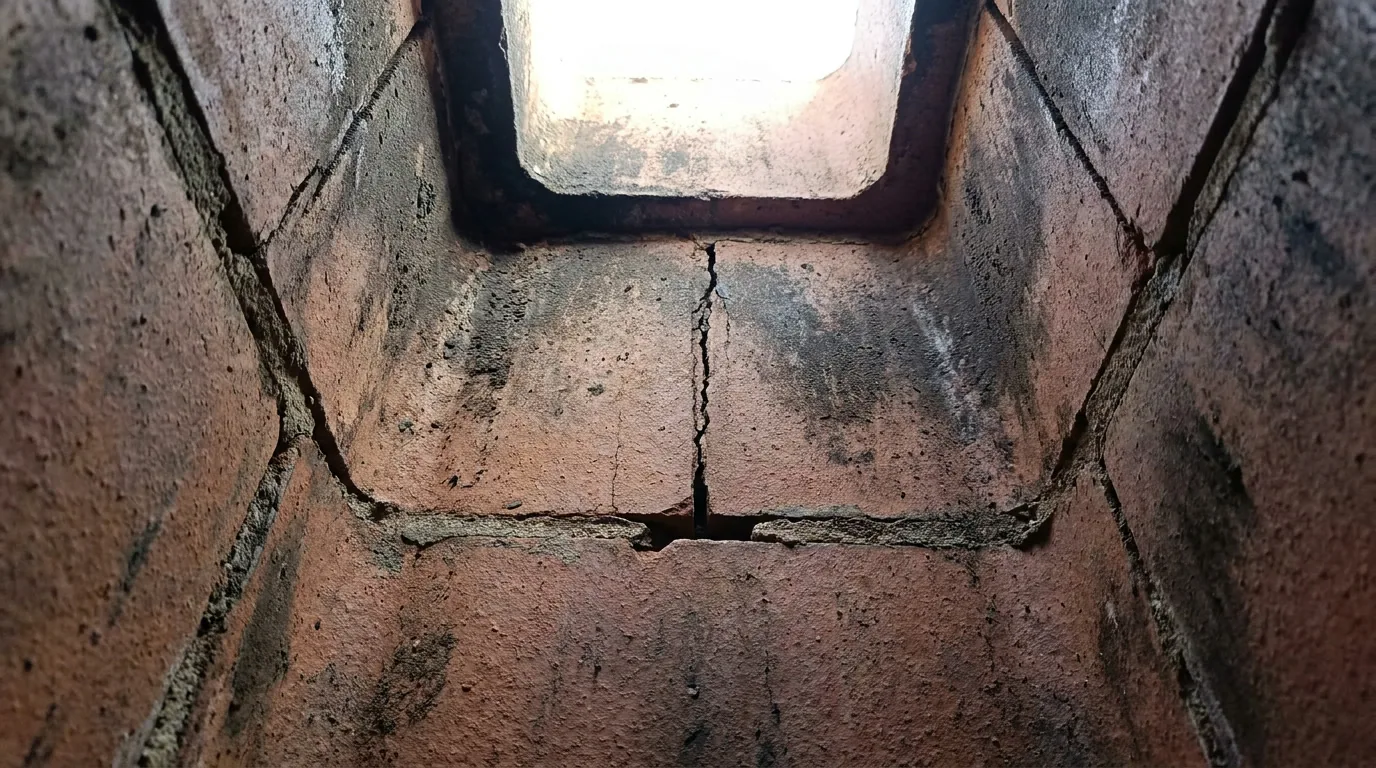
A camera travels the height of the flue and shows the liner and its joints up close. Typical findings include:
- Cracked or missing flue tiles. Our guide to the signs of chimney liner failure shows what these look like.
- Open or eroded mortar joints between liner sections.
- Heavy creosote deposits, including the expanded, honeycomb-like kind that can point to a past chimney fire.
- A flue that is the wrong size for the fireplace, stove or insert connected to it.
- Blockages such as nests, debris or fallen masonry.
- Missing or damaged liner in an older chimney.
Outside the flue, the inspection covers accessible areas such as the attic. That is where water stains, scorched framing and reduced clearances to wood tend to show.
If the terms are new to you, start with what a chimney flue is and how it works.
When Should You Schedule the Chimney Inspection?
As early in your inspection period as you can, ideally the same week as the general home inspection.
Your purchase agreement sets how long you have to inspect the property and respond. The chimney inspection needs to fit inside that window, with time left to get repair estimates if something is found.
Plan for the paperwork as well. At Brown Chimney, a Level 2 inspection includes written findings, with the results explained on site using photos. A formal documented report for a home purchase or insurance claim is a separately charged option, typically delivered within two days. Request it when booking and confirm the timing against your inspection deadline.
Three things speed up the visit:
- Confirm the seller will allow access, including the attic and the roof.
- Tell us it is a pre-purchase inspection and give us your deadline.
- Share the home inspection report if it mentions the chimney or fireplace.
Ask the seller for records as well, and send them before the visit:
- Previous chimney inspection findings.
- Cleaning records.
- Invoices for chimney or fireplace repairs.
- Installation paperwork for any stove, insert or gas unit.
What Can You Do if the Inspection Finds a Problem?
Use the documented findings to decide, with your agent, whether to ask for a repair, a price change or a credit.
How this works depends on your contract and your state, so your agent or attorney should guide the negotiation. The chimney inspection gives you what that conversation needs: photos, a description of the defect, and a repair scope.
Use the calculators below for an initial budget. Before requesting a seller repair or credit, get an itemized repair estimate based on the inspection findings.
- Chimney liner installation and relining cost
- Chimney crown repair or rebuild cost
- Chimney flashing repair cost
- Chimney rebuild cost
A cap replacement and a damaged liner can involve very different scopes of work. Ask which findings affect safe use, which require repair, and what each repair includes. A chimney with a defect that affects safe use should stay out of use until it is repaired.
If the chimney is in poor shape and you do not plan to use the fireplace, read chimney removal vs. repair before you decide what to ask for.
What Chimney Red Flags Can You Spot During a Showing?
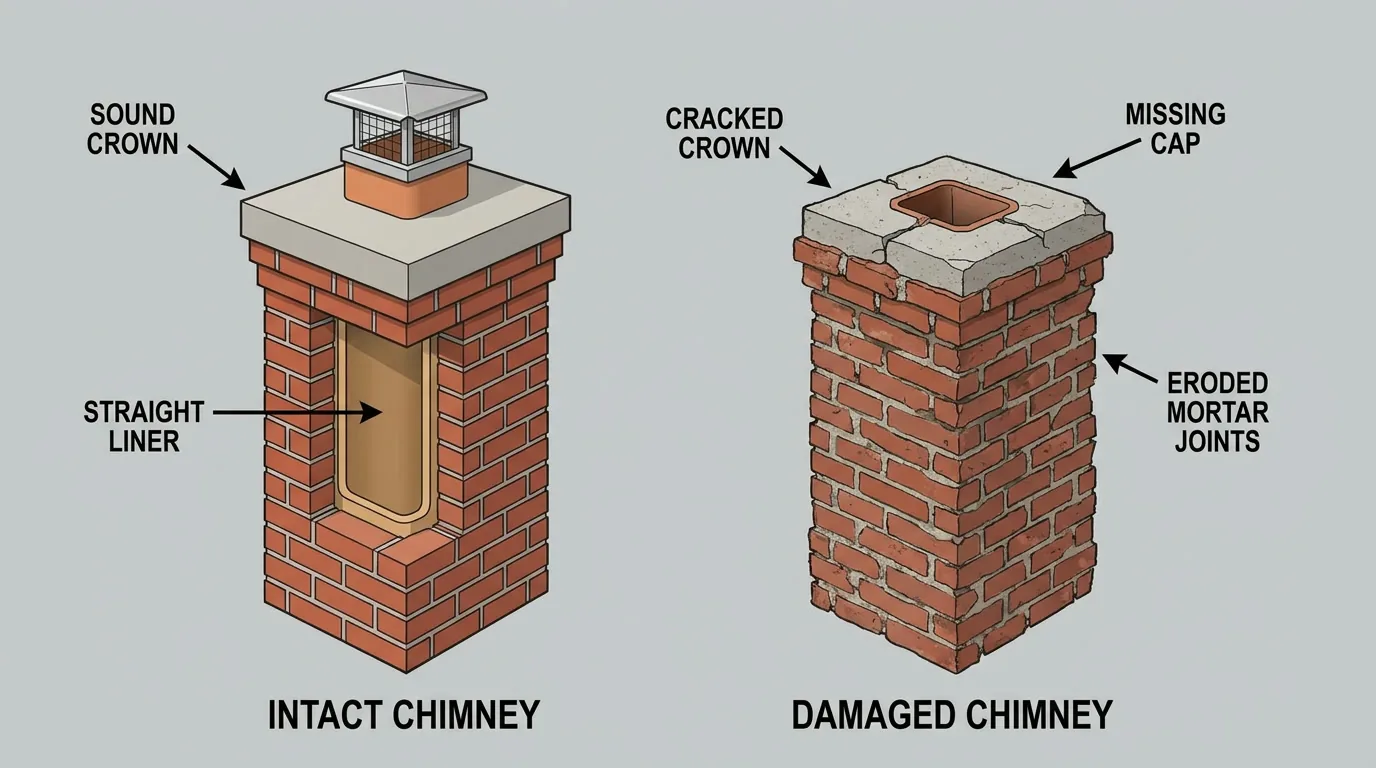
Staining, cracking and anything that looks out of line. None of these replace an inspection, but they tell you one is worth booking early.
From outside:
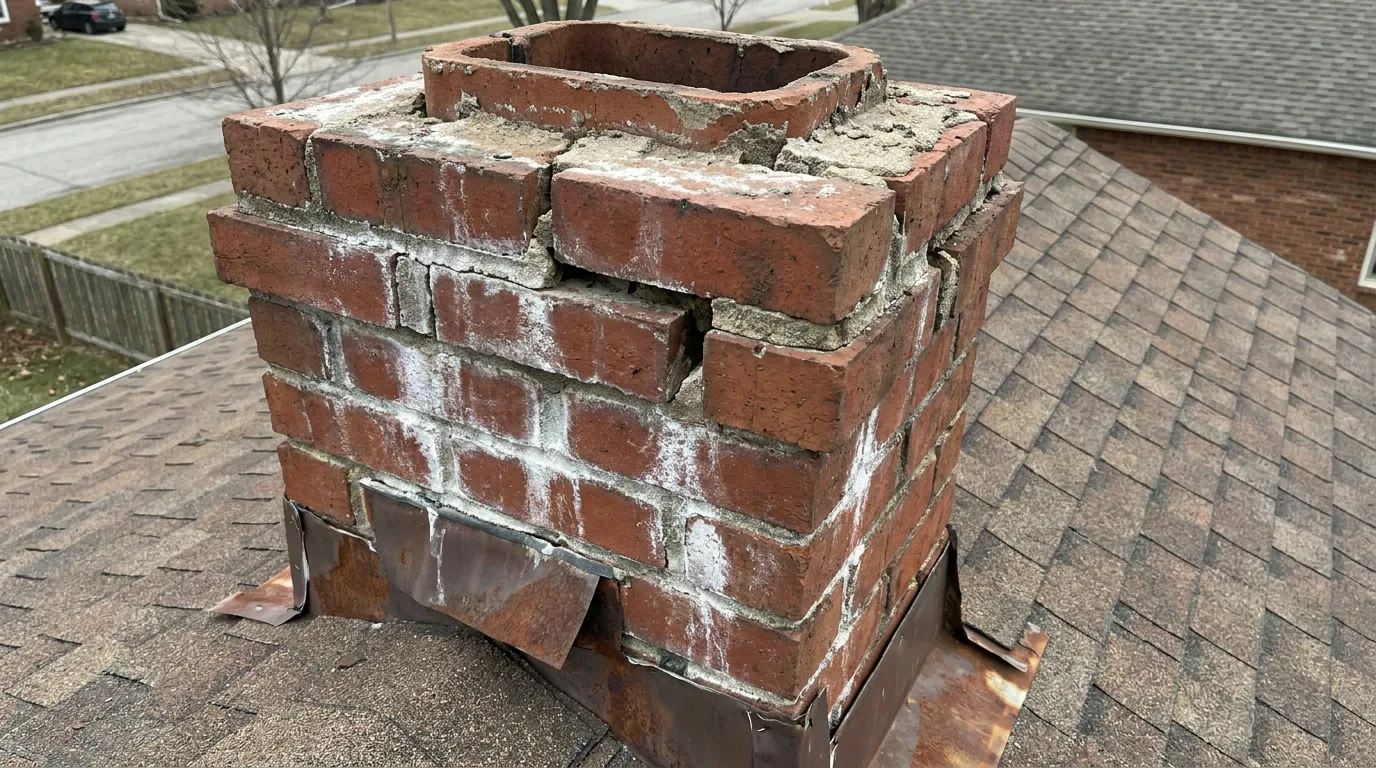
- White, powdery streaks on the brick.
- Cracked or missing mortar joints.
- A chimney that leans or has pulled away from the house.
- No cap on top of the flue.
- Rusted or lifted flashing where the chimney meets the roof.
From inside:
- Water stains on the ceiling or wall near the chimney.
- A damper that will not open or close.
- Cracked firebrick or gaps in the firebox mortar.
- A strong smoky or damp smell from the fireplace.
- Flakes of tile or mortar on the firebox floor.
Our guide to the signs of chimney problems covers these in more detail.
How Much Does a Pre-Purchase Chimney Inspection Cost?
The cost depends on the inspection level and the number of flues.
Use the chimney inspection cost calculator and choose “Buying or selling a home” as the reason. It shows the price for your setup, including the formal documented report if you need one.
A house with two fireplaces, or a fireplace plus a furnace flue, has more than one flue to inspect. Mention every fireplace, stove and appliance vent when you book so the visit covers all of them.
Should a Seller Get a Chimney Inspection Before Listing?
It can help. A seller who knows the chimney's condition can fix problems or disclose them before a buyer's inspector finds them.
A finding that appears in the middle of a transaction tends to cost more time than the same finding handled before listing. An inspection done ahead gives the seller documentation to share and time to compare repair options.
What Should You Do After You Move In?
Keep the inspection findings, and have the chimney inspected once a year.
If the pre-purchase inspection found deposits, have the flue cleaned before the first fire. Our guide to how often you should clean your chimney explains how use shapes the schedule.
It is also worth learning what your policy covers. Chimney repairs and home insurance explains the difference between sudden damage and wear.
Frequently Asked Questions
Does a home inspector check the inside of the chimney?
Usually not in full. A home inspector covers the readily accessible parts of the fireplace and chimney, and home inspection standards do not require examining flue interiors that are not readily accessible. A Level 2 chimney inspection covers the flue interior with a camera.
Is a chimney inspection required to buy a house?
The NFPA 211 standard calls for a Level 2 inspection when a property is sold or transferred. Whether it is mandatory for your transaction depends on local requirements, your contract, your lender and your insurer, so check with your agent.
How long does a Level 2 chimney inspection take?
It depends on the number of flues and how easy the access is. Ask for a time estimate when you book, and allow about two more days if you order the formal documented report.
Who pays for the chimney inspection, the buyer or the seller?
The buyer usually arranges and pays for inspections during the inspection period. Sellers sometimes order one before listing. Your agent can tell you what is customary in your area.
Can I use the fireplace before the inspection?
Wait. If you do not know the condition of the flue, do not light a fire in it. An inspection tells you whether the system is ready for use.
What if the house has a gas fireplace?
Gas fireplaces need an assessment suited to the appliance and its venting system. Tell us whether the home has gas logs in a masonry fireplace, a gas insert, or a direct-vent fireplace so we can confirm the inspection scope before the visit.
Does a new or recently built house need a chimney inspection?
It is still worth having. The standard does not exempt newer homes from a Level 2 at sale or transfer, and a newer chimney can have installation defects or damage. Whether it is mandatory depends on local requirements and your contract.
Book a Pre-Purchase Chimney Inspection
Book your chimney inspection with Brown Chimney and tell us you are buying or selling a home. Our CSIA-certified technicians inspect the flue by camera, explain the findings on site with photos, and identify any work the chimney needs. If the home has a gas fireplace, tell us the type of unit so we can confirm the scope.
Give us your inspection deadline when you book, and let us know if you need the optional formal documented report.


RELATED ARTICLS

Schedule an Inspection Now
with expert chimney care.