
When Chimney Mortar Joints Need Repointing (And What Happens If You Wait)
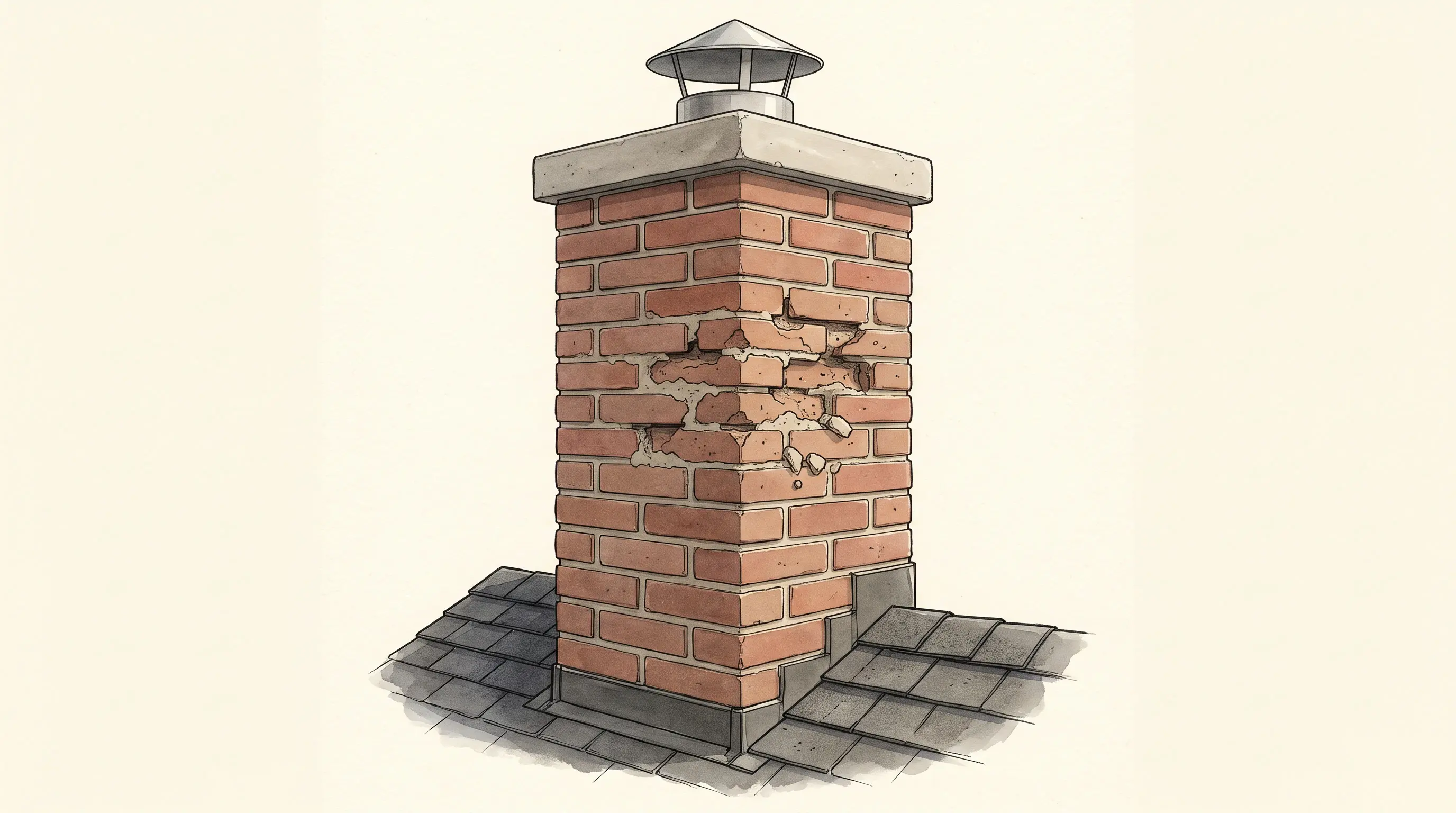


Chimney mortar joints may need repointing when mortar is missing, deeply eroded, loose or separating from the surrounding brick. Repointing replaces deteriorated mortar in an otherwise suitable masonry assembly. If bricks have shifted, the chimney is leaning or the masonry is extensively damaged, new mortar alone may not be enough.
The important distinction is whether the problem is confined to the joints or involves the bricks and structure around them. That determines whether the appropriate work is localized repointing, brick replacement or a larger repair.
What Is Chimney Repointing?
Repointing removes deteriorated mortar from between masonry units and replaces it with compatible new mortar. The work renews the affected joints while retaining bricks that remain suitable for use.
Homeowners and contractors often call this chimney tuckpointing. Strictly speaking, tuckpointing can also describe a decorative technique that creates the appearance of fine joints using contrasting mortar. When comparing quotes, the written repair scope matters more than which term appears in the heading.
This guide covers exterior masonry joints. Repairs inside a firebox or flue involve different conditions and should be assessed separately.
What Are the Signs Your Chimney Needs Repointing?
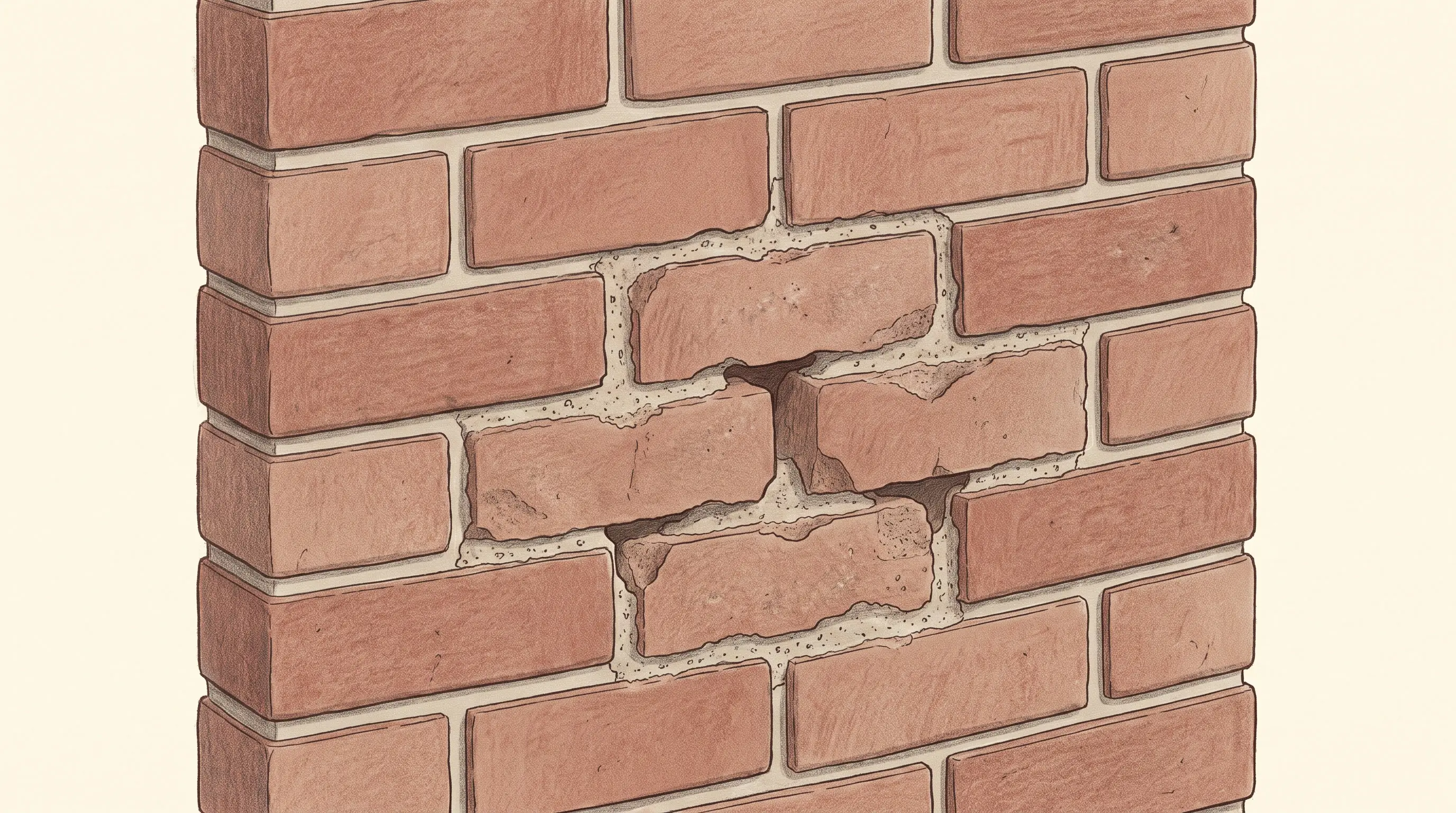
Look for changes in the joints, rather than judging the chimney only by its age or color.
What you noticeWhat it may indicateWhat should be checkedMissing mortar or open gapsLoss of material from the jointDepth, extent and condition of the remaining mortarMortar breaking into loose grains or piecesDeterioration requiring closer assessmentWhether the material is failing or simply has a naturally softer compositionJoints that have become noticeably deeper or unevenWeathering or erosionOriginal joint profile compared with the affected areasSeparation between mortar and brickLoss of bond or movementWhether the separation is localized, recurring or associated with displacementCracks continuing through several joints or bricksA problem beyond surface wearMovement, support and overall masonry conditionFlaking brick faces beside damaged jointsDamage involving the masonry unitsWhether individual bricks need replacement or a larger section needs rebuilding
A recessed joint is not automatically defective. Some joints were intentionally finished behind the brick face. Likewise, softer historic mortar should not be condemned simply because it is softer than modern cement-rich mortar.
White staining and damp patches can support a moisture investigation, but they do not prove that repointing is the required repair. Preservation guidance from the SPAB also cautions against removing sound mortar unnecessarily.
Observe from a safe location and ask for close-up inspection photographs. Avoid climbing onto the roof or scraping joints yourself to test them.
Why Do Chimney Mortar Joints Deteriorate?
A chimney’s exposed masonry faces repeated wetting, drying and temperature changes. The condition of its joints also depends on the original materials, previous repairs and how effectively the chimney sheds water.
Possible contributors include:
- Repeated moisture exposure and freezing conditions.
- Movement that opens cracks or separates mortar from brick.
- Previous repairs using incompatible materials.
- Inadequate joint preparation before earlier repointing.
- Defects elsewhere that keep the masonry wet.
The repair should address the cause as well as the damaged joint. Technical guidance on masonry maintenance emphasizes assessing stability and other water-entry defects before repointing.
For the wider moisture assessment, see how chimney leaks start from the inside out.
What Happens If You Wait?
Delaying repair can leave open joints exposed to further weathering and water entry. The potential consequence is a larger repair area or damage involving the bricks as well as the mortar.
However, there is no reliable countdown from a deteriorated joint to a chimney rebuild. Exposure, material condition and the depth of damage vary between chimneys.
A useful assessment should answer:
- Is deterioration limited to a few joints or spread across several faces?
- Are the bricks still suitable to retain?
- Is the masonry stable?
- Is another defect supplying water to the affected area?
- Is monitoring reasonable, or should repair be scheduled promptly?
Loose masonry, visible leaning or displaced courses need prompt professional assessment. Keep people away from areas where material could fall.
The purpose of early assessment is to establish the smallest appropriate repair—not to assume that every worn joint is an impending structural failure.
Repointing or Rebuilding: How Do You Tell?

Repointing is generally considered when the joints need renewal and the surrounding masonry remains suitable to retain. Rebuilding addresses sections that cannot appropriately be restored through joint repair alone.
Assessment findingRepair direction to discussLocalized failed joints with stable, serviceable bricksRepointing the affected areasSeveral damaged bricks within otherwise sound masonryBrick replacement with associated joint repairsWidespread brick deterioration or displaced masonryAssessment for a partial or larger rebuildCrown damage with sound brickwork belowA separate crown repair or replacementMixed defects affecting joints, crown and roof junctionA coordinated scope addressing each affected component
These are discussion points, not a diagnosis from appearance alone.
Where rebuilding is recommended, ask the contractor to identify the section that cannot be retained. Our chimney rebuild cost calculator helps you explore that separate scope once the required work is understood.
If substantial work raises the question of whether to keep the chimney, read chimney removal vs. repair: how to decide.
What Should a Repointing Quote Explain?
A useful quote should make the proposed work easy to locate and understand. Ask it to identify:
- Which chimney faces and areas are included.
- How deteriorated mortar will be removed without unnecessary brick damage.
- How the replacement mortar will suit the existing masonry.
- The intended joint finish and likely appearance differences.
- Any brick replacement or related repairs.
- Access arrangements and protection during curing.
Material compatibility matters particularly on older chimneys. A harder mortar is not automatically a better repair material.
The National Park Service’s guidance on repointing mortar joints explains why replacement mortar must suit the existing masonry and why inappropriate repointing can cause damage.
Brown Chimney’s tuckpointing and mortar joint repair service is the relevant service when the assessment identifies deteriorated exterior joints.
Should the Crown Be Checked Too?
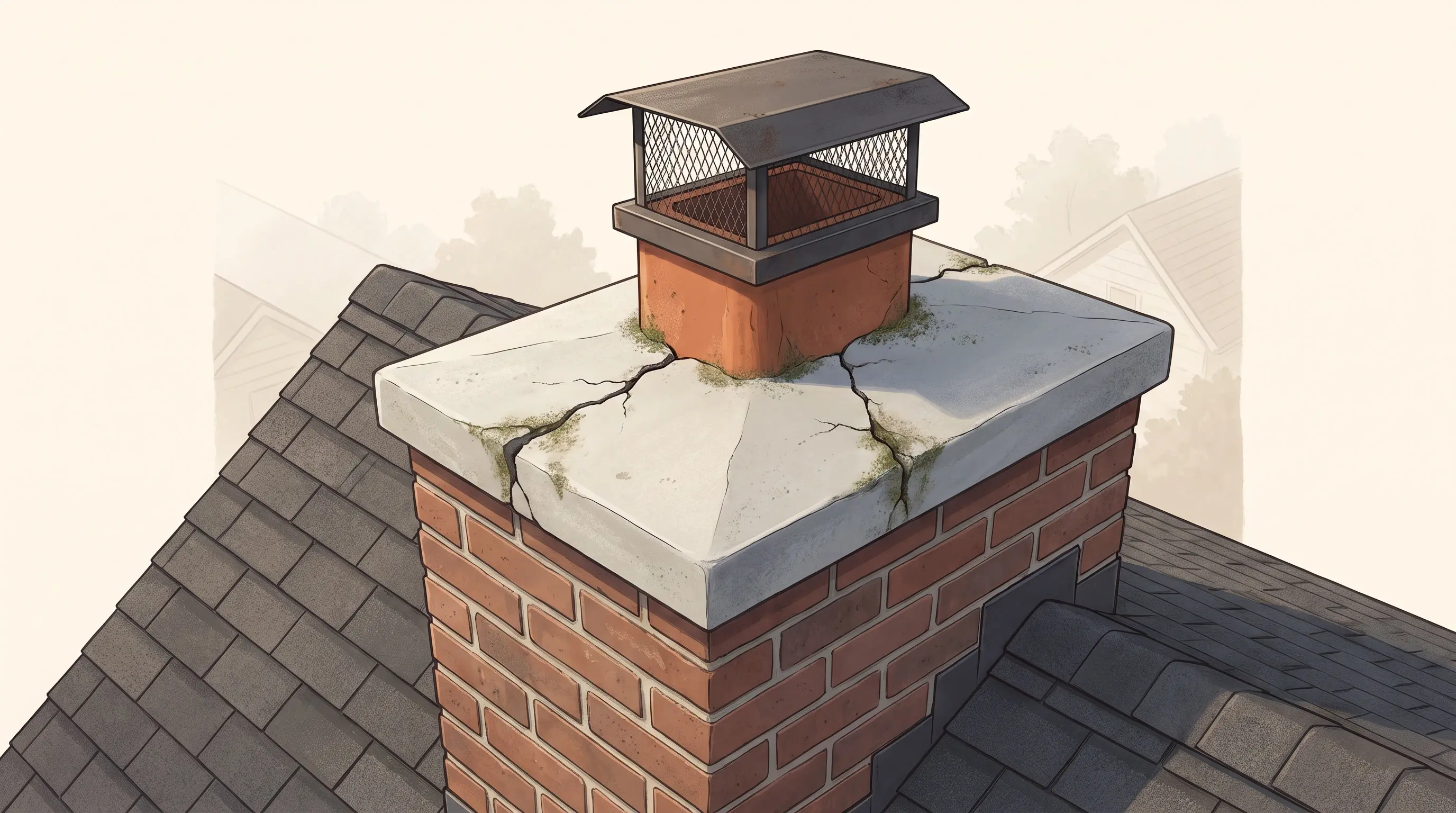
Yes. The crown and mortar joints are different components, but both belong in an assessment of deteriorating chimney masonry.
Repointing does not repair a cracked crown. Similarly, replacing the crown does not renew missing mortar farther down the stack.
Our guide to why chimney crowns crack explains what should be assessed at the top of the chimney. If crown work is recommended alongside repointing, review the chimney crown repair or rebuild cost calculator as a separate part of the project.
Can Waterproofing Replace Repointing?
No. A masonry water-repellent treatment does not replace missing mortar, restore loose bricks or correct structural movement.
The practical order is to identify the defects, complete the necessary repairs and then assess whether a compatible water-repellent treatment is appropriate. Fresh mortar must meet the treatment manufacturer’s curing and surface requirements before application.
A quote that proposes coating visibly failed joints should explain how those joints will be repaired first.
Frequently Asked Questions
Does Crumbling Mortar Mean My Chimney Needs Rebuilding?
Not necessarily. If deterioration is confined to the joints and the bricks and structure remain suitable to retain, repointing may be appropriate. The assessment should establish whether the damage extends beyond the mortar.
Does the Entire Chimney Need Repointing?
Not always. Localized deterioration may justify work on specific areas or faces. Ask the contractor to show where the mortar has failed and explain why each area is included.
Can New Mortar Be Applied Over the Old Joints?
Covering deteriorated material with a thin surface layer is not a substitute for preparing the joint. The repair needs suitable preparation and compatible mortar; otherwise, the underlying defect may remain.
Will Repointing Stop Every Chimney Leak?
No. It addresses defects in mortar joints. Water may also enter through the crown, flashing, cap or other parts of the assembly. Those defects require their own assessment and repair.
Can I Use the Fireplace If the Exterior Mortar Is Damaged?
Exterior appearance alone cannot establish whether the fireplace and venting system are safe to use. Ask whether the assessment also needs to cover the flue and appliance. If masonry is loose or displaced, or flue damage is suspected, stop use pending inspection.
How Often Does a Chimney Need Repointing?
There is no single replacement interval for every chimney. Condition, exposure, materials and previous workmanship determine when work is needed. Repointing should respond to documented deterioration rather than age alone.
Find Out What Your Chimney Actually Needs
Before approving repointing or a rebuild, ask for a clear explanation of the damaged areas, the condition of the surrounding brickwork and any related moisture problems.
Brown Chimney’s chimney repair services cover the wider assessment and repair options. The goal is a scope that addresses the identified defects and explains what each part of the work will accomplish.


RELATED ARTICLS

Schedule an Inspection Now
with expert chimney care.