Chimney Removal in Burlington
If nothing vents through it, every repair you make is spent on nothing
★
5.0 · 53 Burlington reviews
✓
CSIA & NFPA certified
✓
Debris hauled away same day
✓
Written quote before any work

If nothing vents through it, every repair you make is spent on nothing
★
5.0 · 53 Burlington reviews
✓
CSIA & NFPA certified
✓
Debris hauled away same day
✓
Written quote before any work

Taking a stack down to the roofline is not the same as removing a chimney through three floors. Height, position, and access decide it, and the calculator walks all of them.
Live
chimney-removal
$1,495 – $14,995
Inspection (credited)
−$49
Typical job
$1,495 – $7,500
Final price quoted in writing before any work.

Before anything else, one question has to be answered: is anything still venting through it? Furnaces and water heaters sometimes use a flue that nobody associates with the fireplace any more, and in a town where heating appliances have been swapped over the decades that check is not a formality. It happens before a price is discussed, not after.
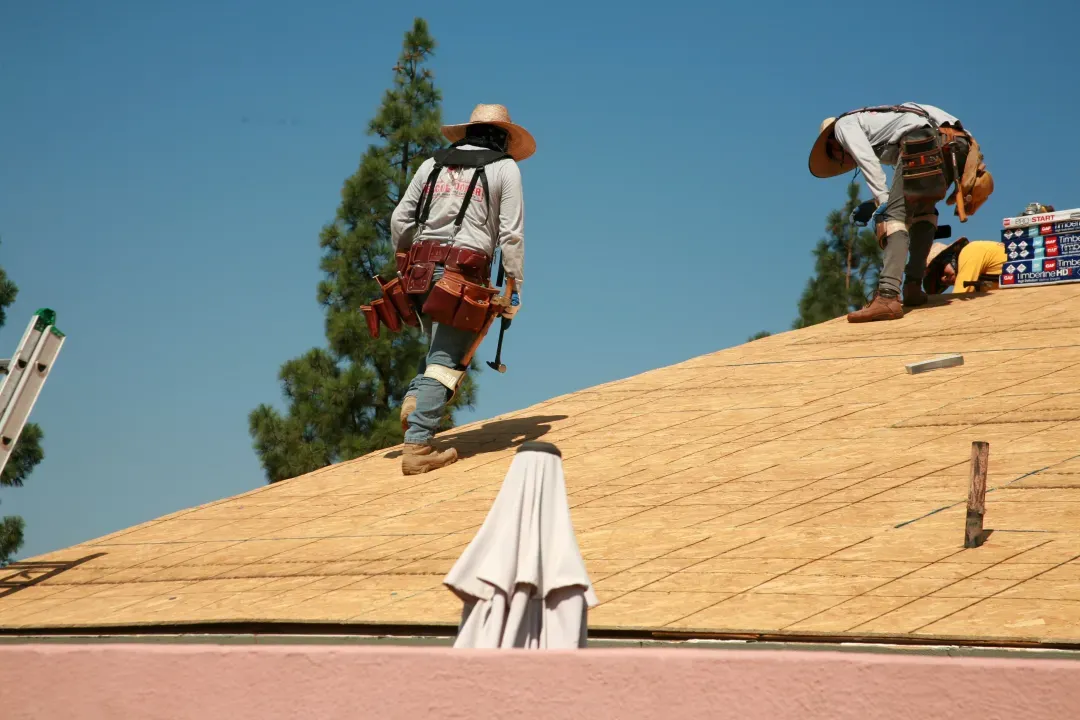
Removal runs $1,495 to $14,995, with most jobs between $1,495 and $7,500. Partial removal takes the stack down to the roofline and closes the opening weathertight, which suits a chimney that has stopped earning its keep but is doing no harm below. Full removal takes it out through the structure, floor by floor. Either version is staged and controlled rather than pulled, with debris contained and carried off site.
Roof patching is not included and is quoted separately, because the size of the opening left behind determines the cost. Where the chimney is still in service, price the rebuild alongside it — sometimes the comparison goes the other way, and you should see both figures rather than one. Full method on our chimney removal service page.
.jpeg)
Above-roofline section taken down and the opening closed weathertight

It still needs a crown. It still needs flashing. It still needs pointing, and it still lets water into the house when any of those fail. In exchange it does nothing at all. Fireplaces get closed off and heating systems get replaced, but the stack tends to stay standing out of habit rather than out of use.
That said, removal is a decision and not a default. If an appliance vents through the flue, this is off the table until the venting is resolved. If the chimney is tied into the roof framing, that gets established before anything is agreed. And where the fireplace is still wanted, repairing what is there is usually the cheaper road. We quote whichever answer is honest rather than whichever is larger.
Demolition crews work from both Massachusetts offices — Wellesley and here — across the wider service area. Everything local sits on the Burlington page.
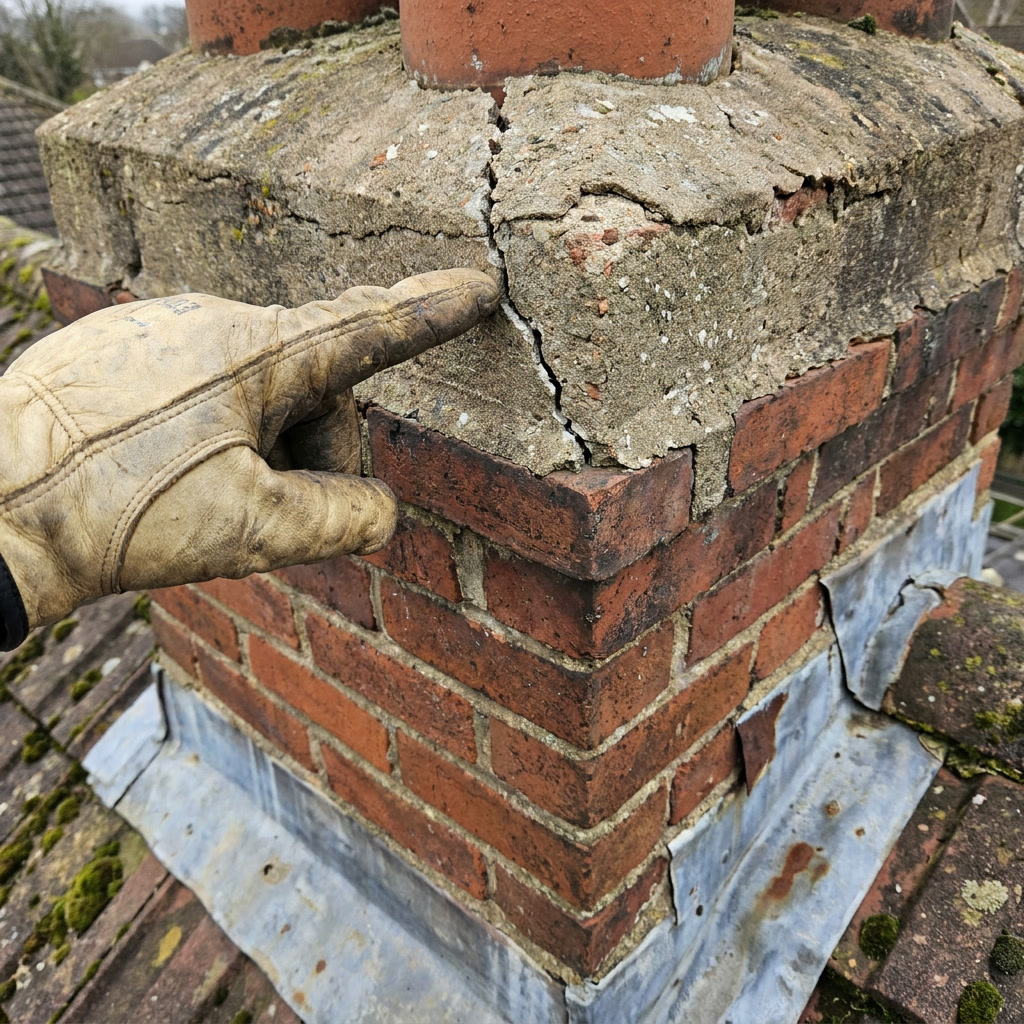

Nobody removes a chimney urgently. These are the moments when it deserves a quote next to the repair quote rather than instead of one.
The re-roofing one is the moment most people miss. Flashing and working around a stack nobody uses is money spent preserving a liability, and doing the removal before the new roof goes on means one patch instead of two.
"
Rebuilding is the last quote we want to write, not the first. If the brick is sound, we'll tell you to repoint it and we'll come back in fifteen years.

Nothing comes down before a written estimate is agreed and the venting question is settled. Partial removals usually run one to two days; full removals run longer. Debris is carried out rather than dropped, and the staging area gets agreed with you in advance rather than discovered on the morning.
01
Before anything moves, we establish what the chimney touches — framing ties, floor openings, and load paths. The removal sequence is planned around the house.
.jpg)
02
Interior paths are sealed and floors protected. Debris travels down a controlled chute — never through the living space.
03
Bricks come down in courses from the top, by hand — never pushed, never collapsed. Partial removals stop below the roofline; full removals continue floor by floor.
04
The roof opening is properly framed, sheathed, and made weathertight. On full removals, each floor's opening is closed and ready for finish work.
05
All debris is hauled off site the same job. You get photos of the closed, weatherproofed result — and the roof patch quote stays a separate, visible number.
Roof patching. Always required afterwards and always its own line, priced by the size of the opening the chimney leaves behind.
Interior finishing where the chimney passed through living space. We close the structure; plaster, trim, and paint belong to a different trade.
Permits and hazardous material. Permits are filed with the Building Department at 25 Center Street under the 10th Edition of the state code. Anything involving asbestos needs a specialised contractor and is outside this work entirely.


Every Brown Chimney removal is assessed for venting and structure first, quoted in writing, and started only once you approve it. Structural labor carries a 1-year workmanship warranty. Call 781-547-7784.