Collection

Wood Stoves

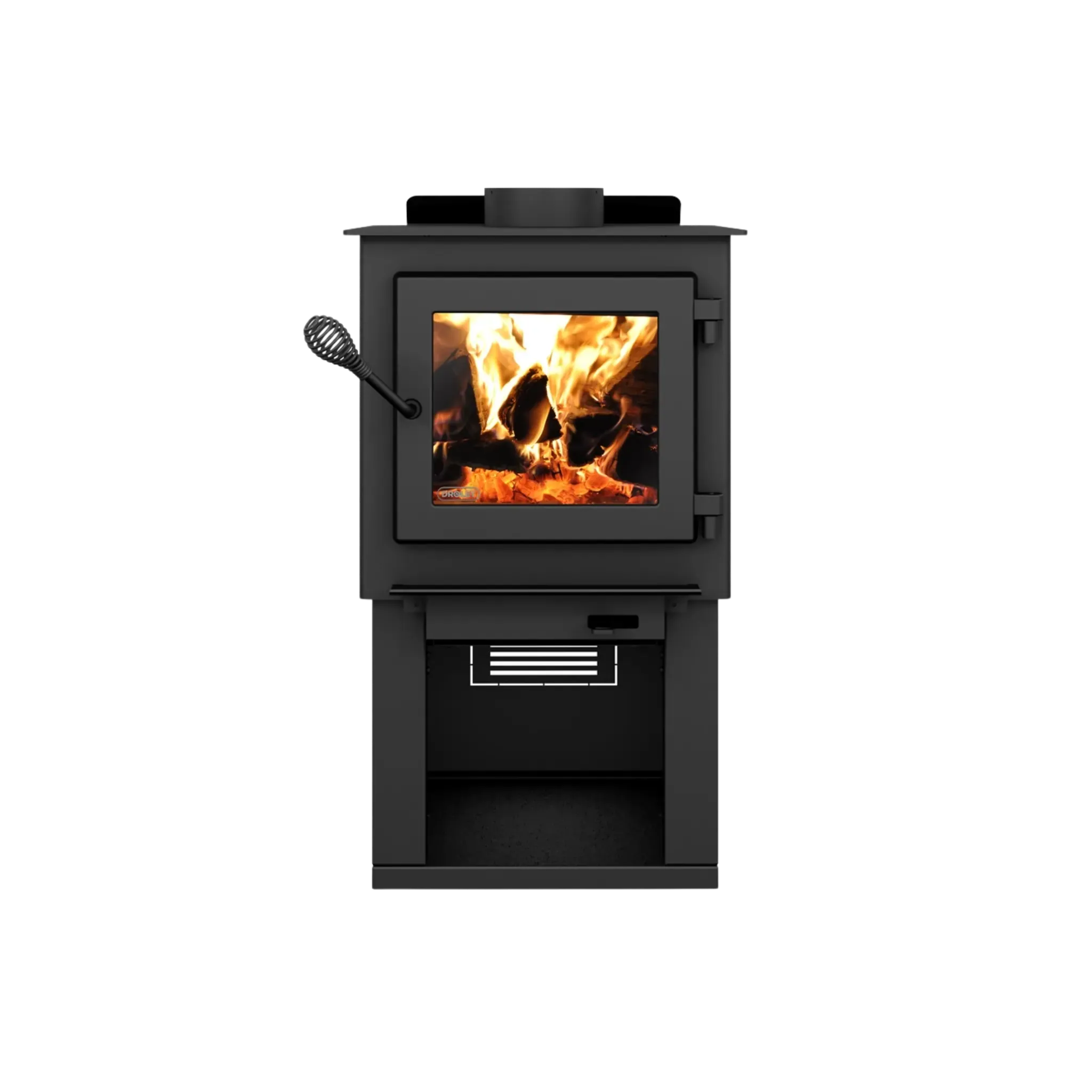
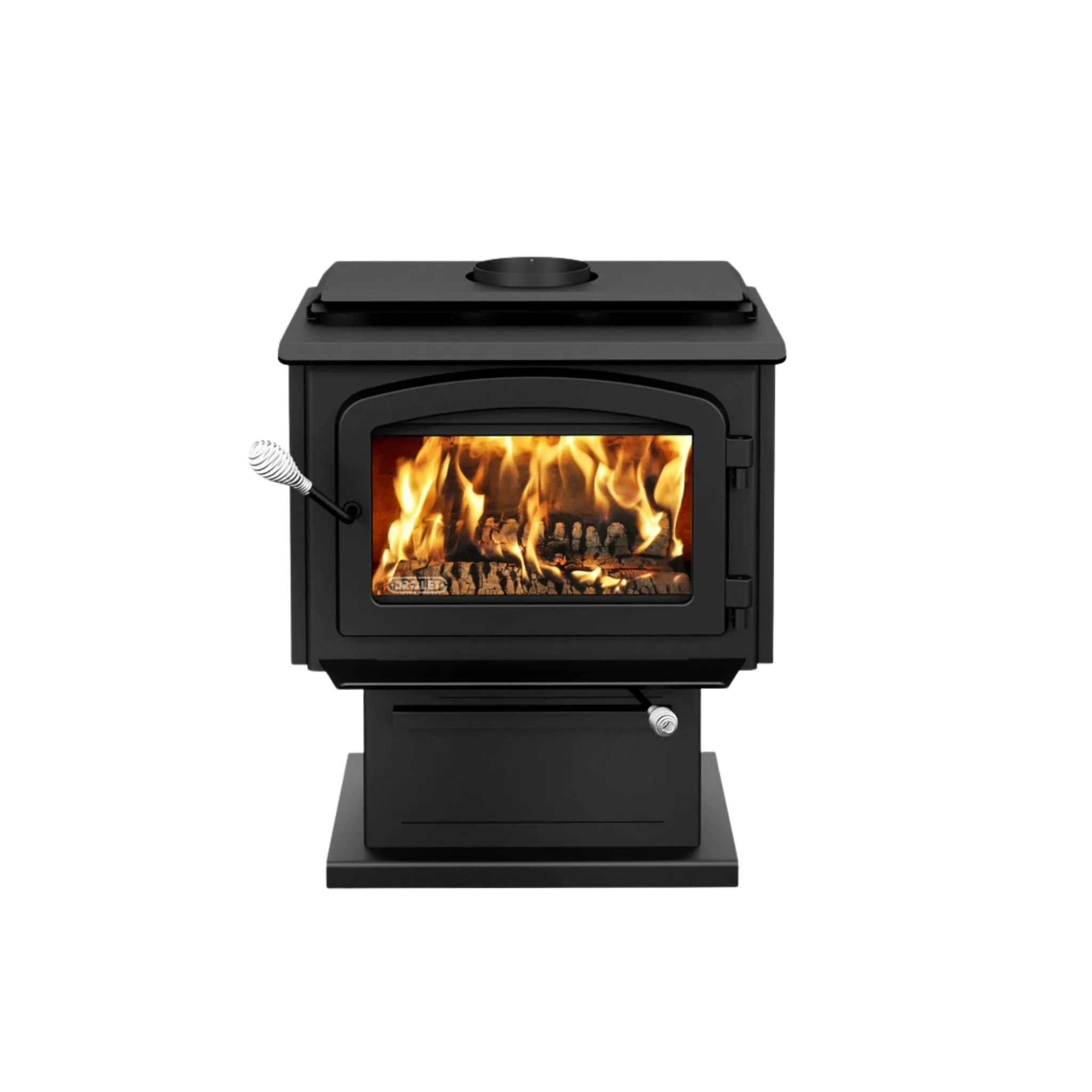
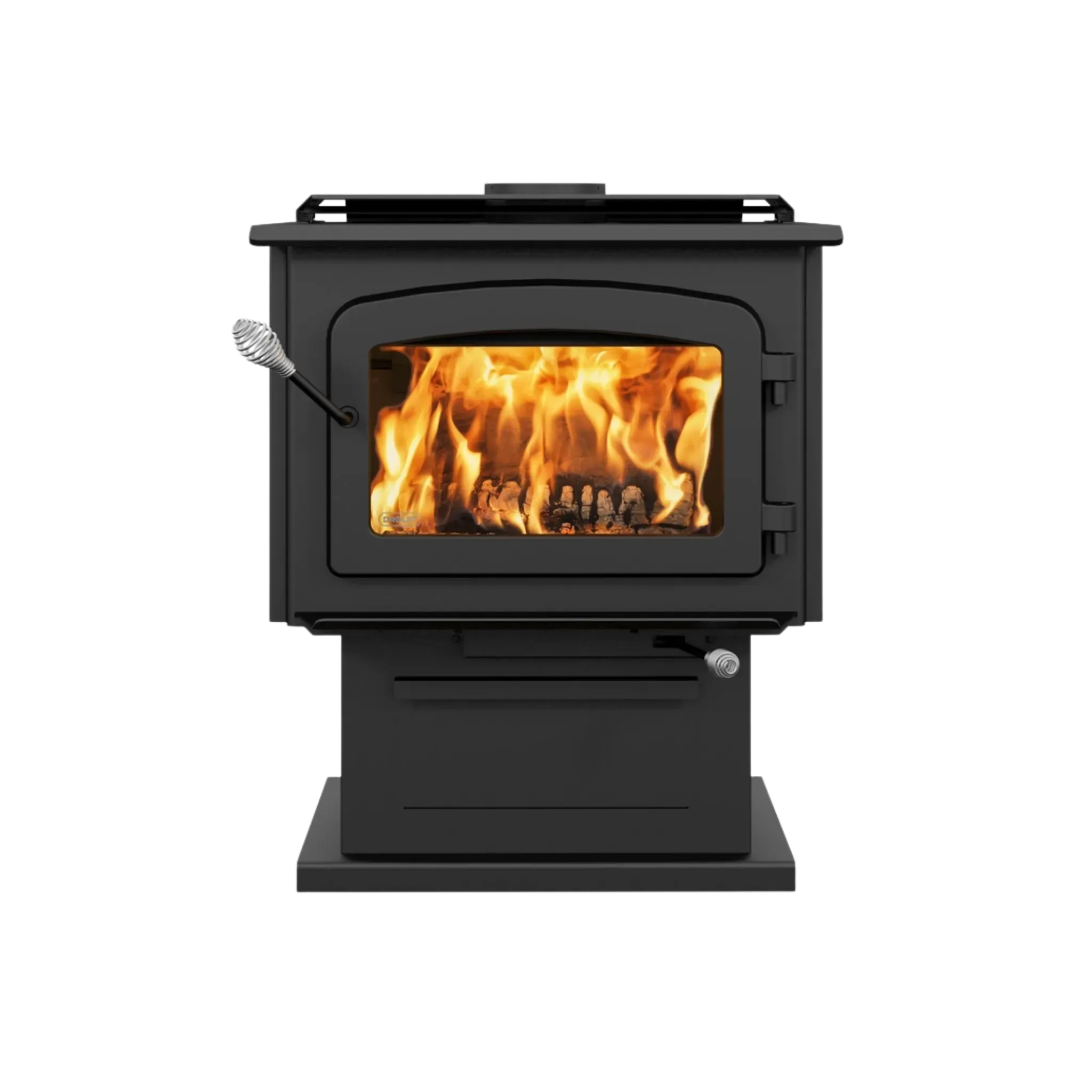
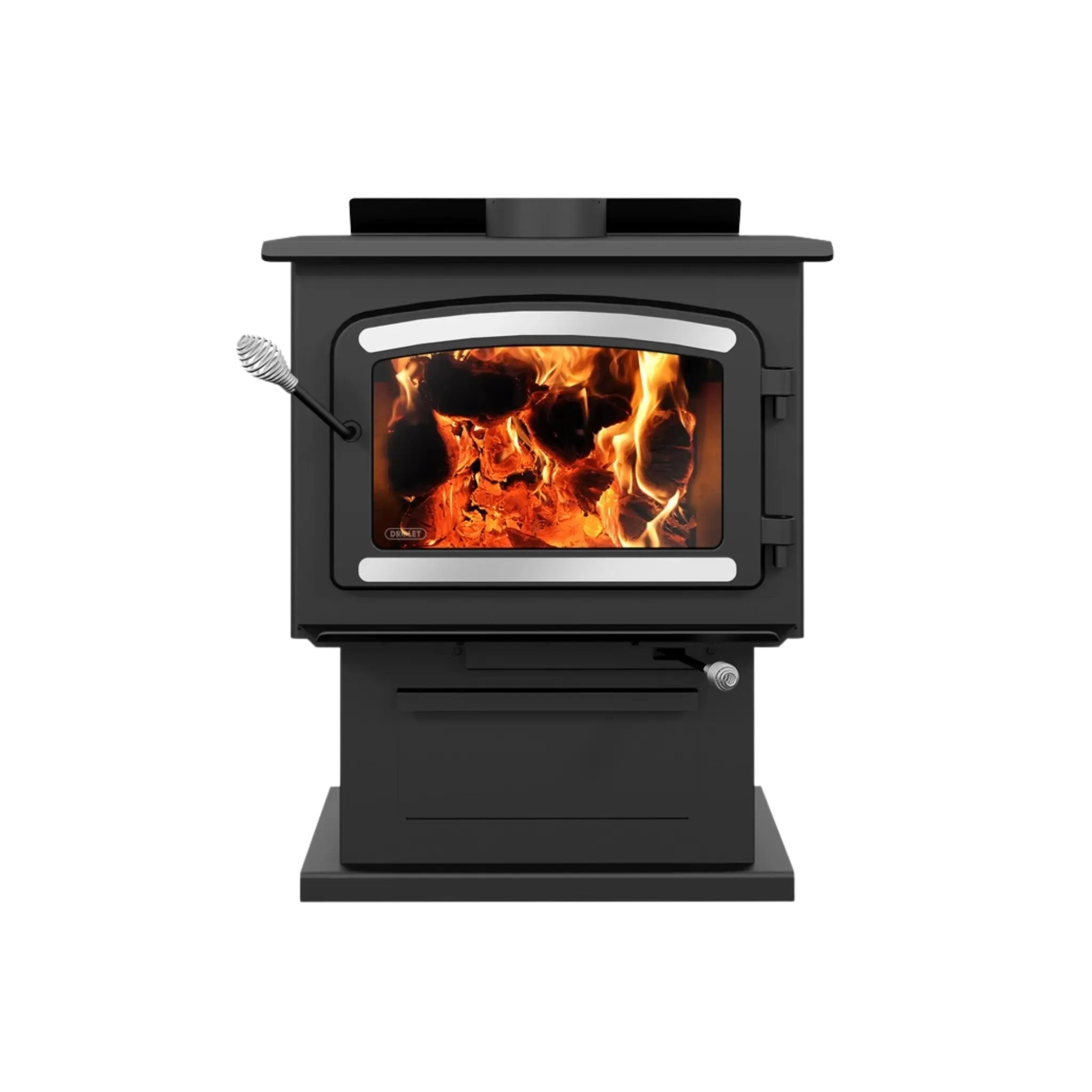
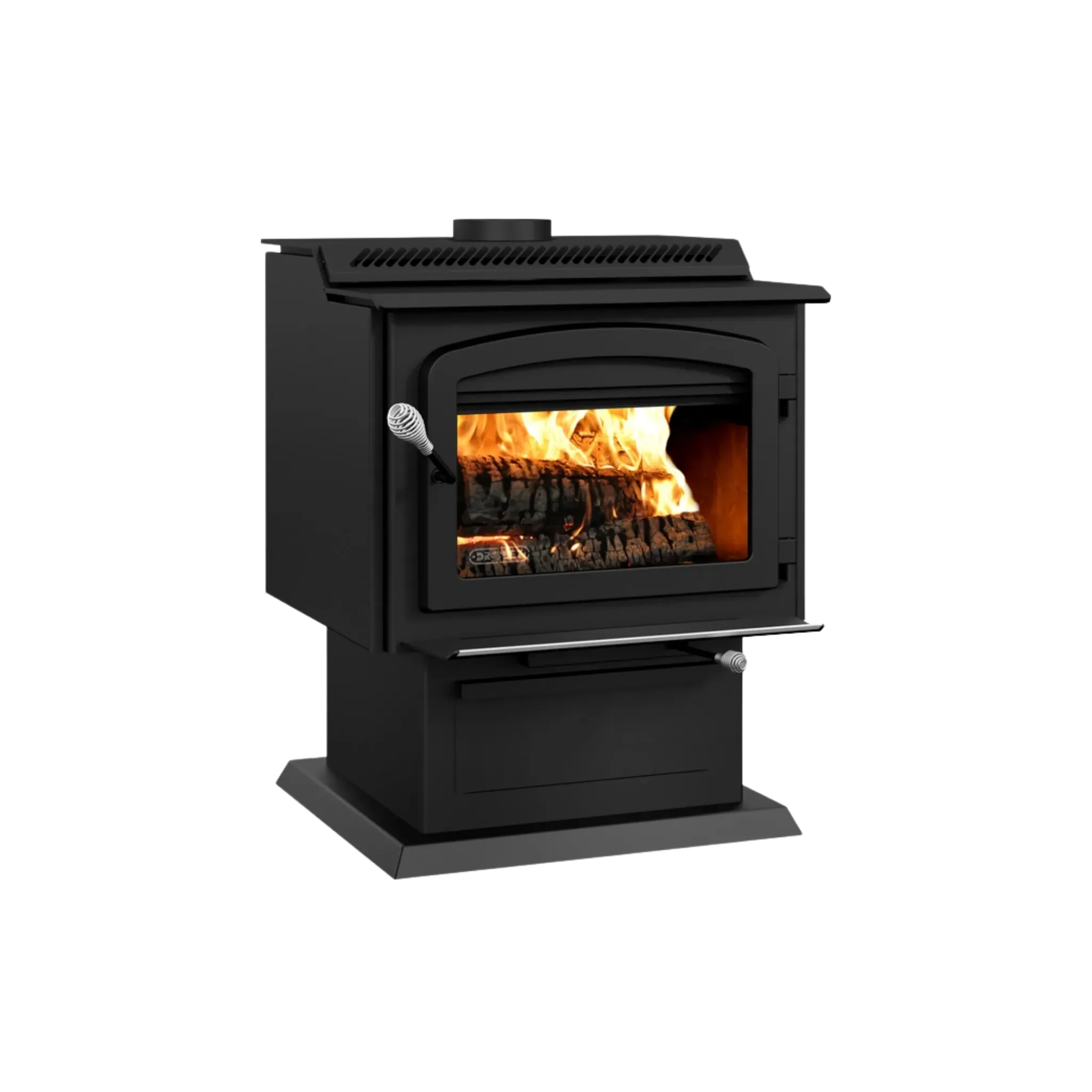
A wood stove stands on the floor on its own hearth pad and carries its own flue up through the roof or out through a wall. Unlike an insert, it does not need an existing fireplace — which makes it the usual answer for a room that never had one.

Because the whole body radiates, a stove puts out more heat into the room than a fireplace of the same firebox size, and the five Drolet models here run from a 1.55 cu ft firebox rated for 250 to 1,200 sq ft up to a 3.5 cu ft firebox rated for 1,000 to 2,700 sq ft. All five are EPA-certified non-catalytic appliances burning cordwood.

What decides the choice is the heated area, how long you want a load to burn, and the clearances the room can give up — a stove needs floor protection and measured space on every side.

Cast iron framed wood stove standing on a hearth pad beside a brick wall

What to consider

Size it to the space, not upwards

Published heating areas are ranges, not promises, and an oversized stove gets run throttled down, which burns dirty and glazes the chimney. Match the firebox to the area you actually heat and the burn time you want from one load.

Plan the hearth pad and the clearances

A freestanding stove needs listed floor protection underneath and a measured gap to walls and anything combustible. Those distances come from the model's own manual and often decide where in the room it can go.

The chimney is part of the appliance

A stove runs on its own insulated flue, sized and routed to the model. Draft depends on that flue's height and path, so the chimney is specified with the stove rather than fitted around it afterwards.

Thinking about installation?

Brown Chimney can assess what a fireplace would need in your home — the opening, the chimney or venting route, and what work is involved. Service availability depends on your location.

Frequently asked questions

What is the difference between a wood stove and a wood insert?

A stove stands free on the floor with its own flue and needs no existing fireplace. An insert slides into a masonry fireplace you already have and uses a liner in that chimney. A stove also radiates heat from every surface, so it tends to heat a room harder than an insert of the same firebox size.

Do I need an existing chimney?

No, but you do need a route for one. A stove is installed with its own insulated chimney running up through the roof or out through a wall, sized and routed for that model. If a sound masonry chimney is already there, it can sometimes be lined and used instead.

How much space does a stove take up around it?

More than most people expect. Each model publishes minimum clearances to walls and combustibles, plus the floor protection it must stand on. Those figures come from the manufacturer's manual and should be checked against the room before choosing a model.