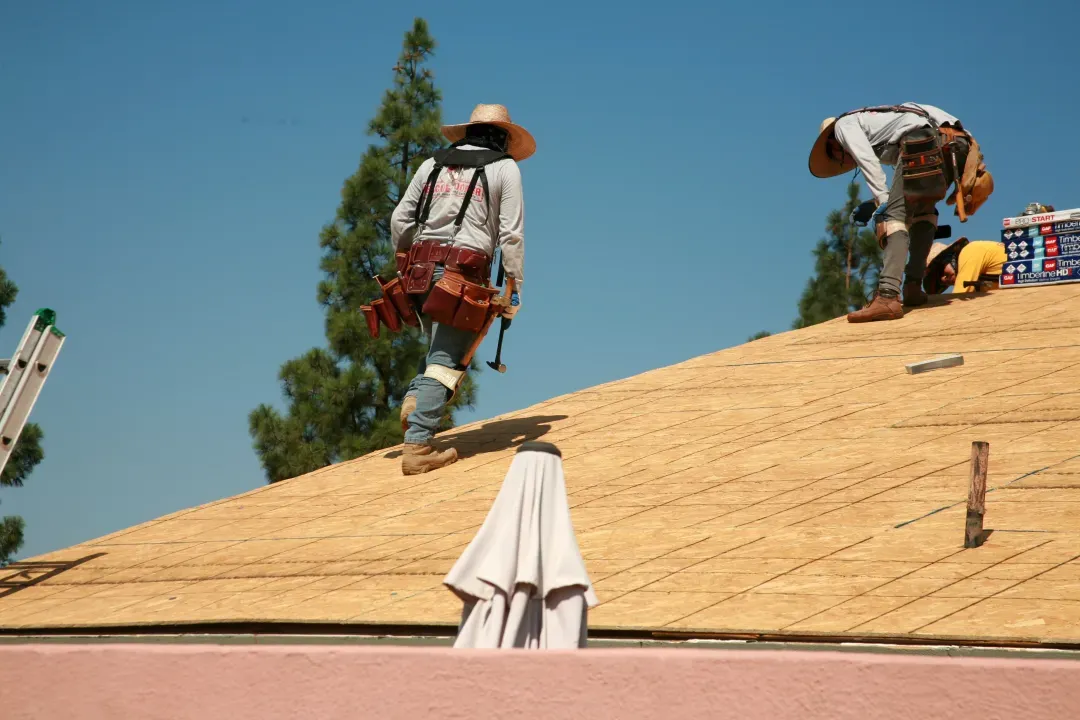
Brick chimney being taken down

Chimney Removal in Newton, MA

A chimney that vents nothing still needs a crown, flashing and mortar

✓

Serving Newton, MA

✓

Licensed & insured

✓

Written quote before any work

✓

Debris hauled away

Number section icon
Pricing, before you commit

See removal pricing up front

Our chimney removal pricing page covers everything from taking a stack down to the roofline to a full removal, and estimates the cost for your Newton home from its height and access.

faq svg
To the roofline, or all the way
CHIMNEY REMOVAL IN NEWTON, MA

Chimney removal takes down a stack that no longer serves a working fireplace or appliance. Partial removal stops at the roofline: the chimney above the roof is taken down in stages and the opening is closed and made weathertight. Full removal goes floor by floor, through the attic and living space, down to the foundation.

Partial removal is the usual choice, because it ends the maintenance on the part that takes the weather without opening up the inside of the house. Either way, the brick comes down by hand in a controlled order, and the debris is contained and taken away. The removal cost calculator prices both options by height and access.

The first thing to establish is that nothing still vents through the chimney. In older Newton houses, boilers and water heaters often use a flue nobody connects with the old fireplace. The full method is on our chimney removal page, and if the fireplace is still wanted, compare the price with rebuilding the stack.
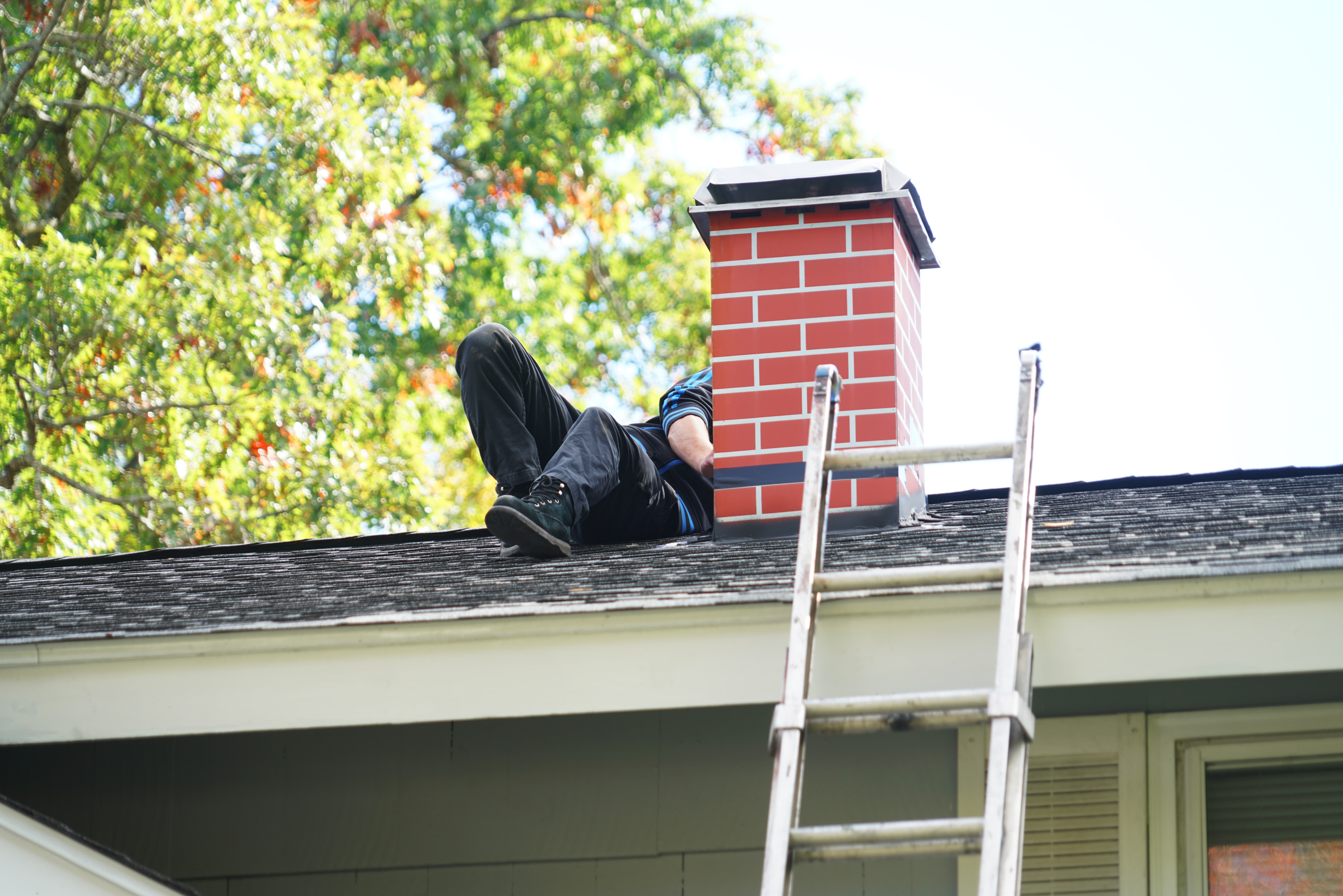
stack icon
The Work

Before the stack comes down, check with Newton's preservation staff.

Newton reviews demolition on buildings 50 years old or more, and that includes partial demolition. Under the city's rules, removing an architectural element that defines or contributes to a house's historic character can count. A prominent chimney on the front of a Victorian or Tudor may well be that element, so the preservation staff should see the plan before any brick is removed.

Many removals are simpler. A plain stack at the back of a mid-century house, or a chimney left behind when the heating moved elsewhere, is less likely to raise questions. What matters is checking first, because a delay on a building the city decides to preserve can run for a year or longer. If the chimney is staying, repairing it or fixing the leak around it may solve the problem for less.

We also take down chimneys in Wellesley and Boston, and the Massachusetts page shows the full service area. The rest of our Newton services are on the Newton page.
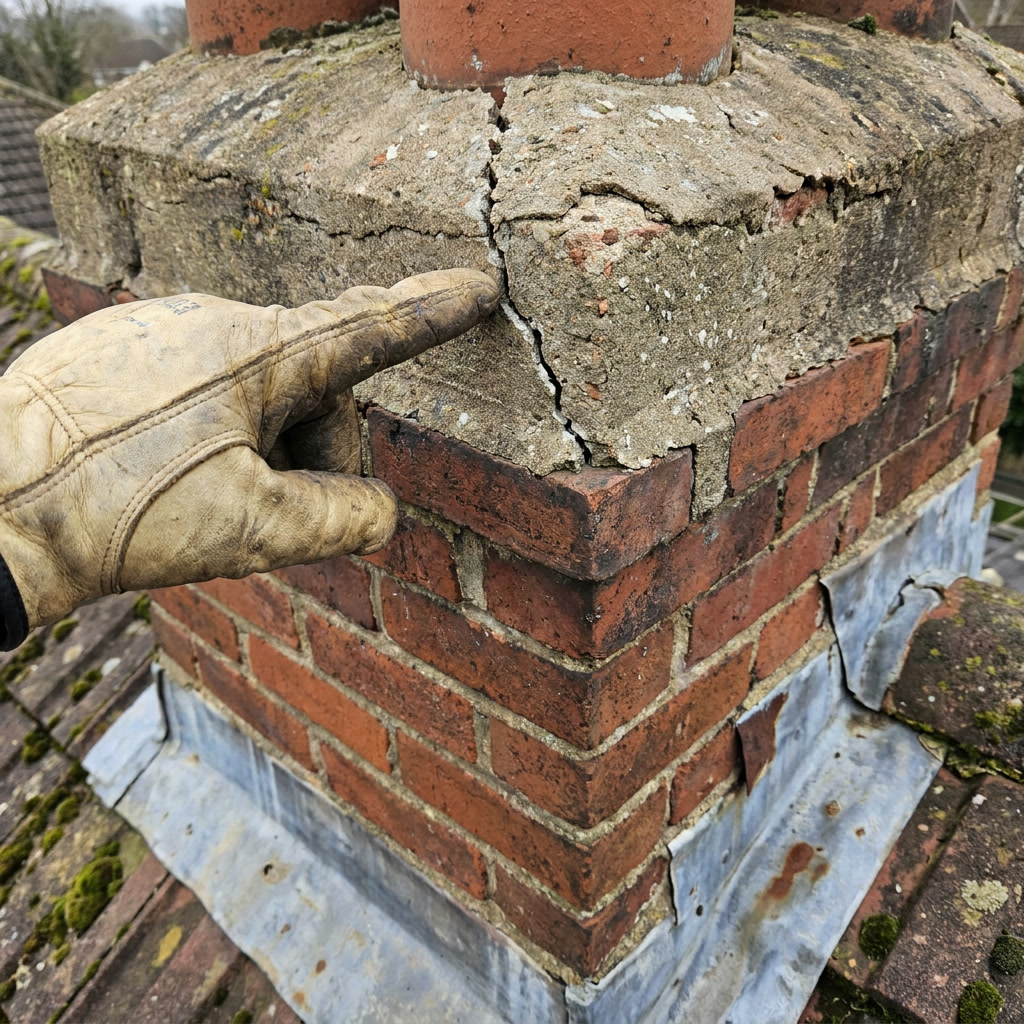
Cracked brick on an old chimney
document icon
When to book

When removal is worth pricing for a Newton home.

Removal is a choice, not an emergency. These are the situations where it makes sense to price it next to a repair.

01

No fireplace or appliance uses the chimney any more

02

The roof is being replaced and the stack is in the way

03

Leaks keep coming back around a chimney nobody uses

04

Repair quotes are approaching the cost of taking it down

05

The fireplace was closed up years ago

06

The stack above the roof is leaning or badly cracked

‍

Number two is the moment to decide. If a new slate or asphalt roof is going on anyway, removing an unused stack first means one patch in the new roof instead of new flashing around a chimney that does nothing. On an older house, ask the preservation staff at the same time.

"

We don't price by the foot. We price by what your chimney actually needs — and we put that price in writing before we touch anything.

Brown Chimney
cup icon
The Brown Chimney Standard · Newton

Thirteen villages, four historic districts.

Four local historic districts
Auburndale, Chestnut Hill, Newtonville and Newton Upper Falls are local historic districts. Visible changes to a chimney there can need a Certificate of Appropriateness, so it is raised at the quote stage, before anything is scheduled.
Half the city predates 1940
About half of Newton's homes were built in 1939 or earlier, according to Census data. Clay flue tiles, soft lime mortar and slate roofs are what to expect on most streets.
1-year workmanship warranty
Labor on our repairs and installations is covered for a full year, in writing. Parts carry the manufacturer's warranty.
Price confirmed before we start
The price is confirmed with you before any work begins. Anything extra we find is shown to you with photos and needs your approval first.

Chimney removal check

Remove or restore? Start with what it still does.

Whether a chimney should come down depends on what still vents into it, how much of it would go, and what shape it is in. Answer four questions to see what each kind of removal covers, what is always quoted separately, and when restoring makes more sense. Nothing is submitted.

ATTICUPPER FLOORMAIN FLOORAS IT STANDSABOVE THE ROOFLINECOMES DOWN
  • ShowingAs it stands. Chimney on an outside wall, serving nothing in use.
  • KeyOrange outline: the section that comes down.

What does the chimney serve today?

How much would come down?

Where does it sit?

What shape is it in?

Worth pricing

Unused and leaking: removal is worth pricing

Repairs on a chimney that serves nothing keep a structure, not a working fireplace. Removing it, with the roof patched where it stood, ends that upkeep.

  • What it servesNothing in useNothing has to be re-vented, once that is confirmed on site.
  • Removal scopeAbove the rooflineTaken down to the roofline.
  • ConditionCracks or leaksUsually mortar, crown or flashing.

What the removal covers

  • The chimney taken down to the roofline.
  • Debris hauled away.
  • Final scope and price set on site, from the chimney’s size, location and access, and confirmed with you before work begins.

Quoted separately

  • Roof patch and sealing where the chimney meets the roof. Every removal needs one.
  • A building permit, where the town requires one.
  • Lift or scaffolding, where a ladder is not safe.

Keeping it usually means fixing the source of the cracks or leaks. Compare those repairs with removal:

A guide, not a quote. The final scope and price are set on site and confirmed with you before work begins. Demolition and hauling are not covered by the 1-Year Workmanship Warranty; repair work, such as the roof patch, is.

stack icon
What to expect

How a chimney removal works in Newton.

First, the technician confirms that nothing vents through the chimney and whether it carries any load from the roof framing. The written quote sets out where the demolition stops and how debris will leave the property. The brick then comes down course by course from the top, and the opening is closed weathertight.

01

Structural assessment

Before anything moves, we establish what the chimney touches — framing ties, floor openings, and load paths. The removal sequence is planned around the house.

02

Protection & containment

Interior paths are sealed and floors protected. Debris travels down a controlled chute — never through the living space.

03

Top-down dismantling

Bricks come down in courses from the top, by hand — never pushed, never collapsed. Partial removals stop below the roofline; full removals continue floor by floor.

04

Framing & weatherproofing

The roof opening is properly framed, sheathed, and made weathertight. On full removals, each floor's opening is closed and ready for finish work.

05

Haul-away & final photos

All debris is hauled off site the same job. You get photos of the closed, weatherproofed result — and the roof patch quote stays a separate, visible number.

stack icon
For transparency

What chimney removal does not include.

The permanent roof patch. It is always needed after a removal and is quoted as its own line, priced by the size of the opening.

Interior finishing. Where a full removal passes through living space, the structure is closed up, but plaster, trim and paint are a separate trade.

Asbestos and permits. Any asbestos needs a licensed abatement contractor. Where a permit applies, it comes from Newton's Inspectional Services Department.

stack icon
FAQs

Chimney removal questions from Newton homeowners

1 icon

Does Newton have to approve removing our chimney?

It can. Newton reviews partial demolition on buildings 50 years or older, and removing an element that contributes to a house's historic character can fall under that. Check with the city's preservation staff before the quote is signed.
Faq Number

Our house is in the Newtonville historic district. Is that different?

Yes. Inside a local historic district, removing a chimney that can be seen from a public way is a visible exterior change and can need a Certificate of Appropriateness. That approval comes before any work is scheduled.
3 icon

Do we have to take the whole chimney out?

Usually not. Taking it down to the roofline and closing the roof stops the maintenance without opening up the inside of the house. Full removal makes sense when the chimney is in the way of a renovation or is failing all the way down.
4 icon

How do we know nothing still vents through it?

That is checked before anything is quoted. Boilers, water heaters and old furnaces sometimes use a flue nobody associates with the fireplace, and removal is off the table until that venting is moved.
5 icon

Is the roof patch included?

No. The opening is closed weathertight as part of the removal, but the permanent roof patch is quoted separately, because its cost depends on the size of the chimney and the type of roof.
stack icon
Planned before the first brick

Assessed, approved, then taken down.

Every Brown Chimney removal in Newton is assessed on site and priced in writing, and work starts only after you approve it. Call 781-547-7784 or book online.