
Why Is My Fireplace Smoking Into the House? Causes and Fixes
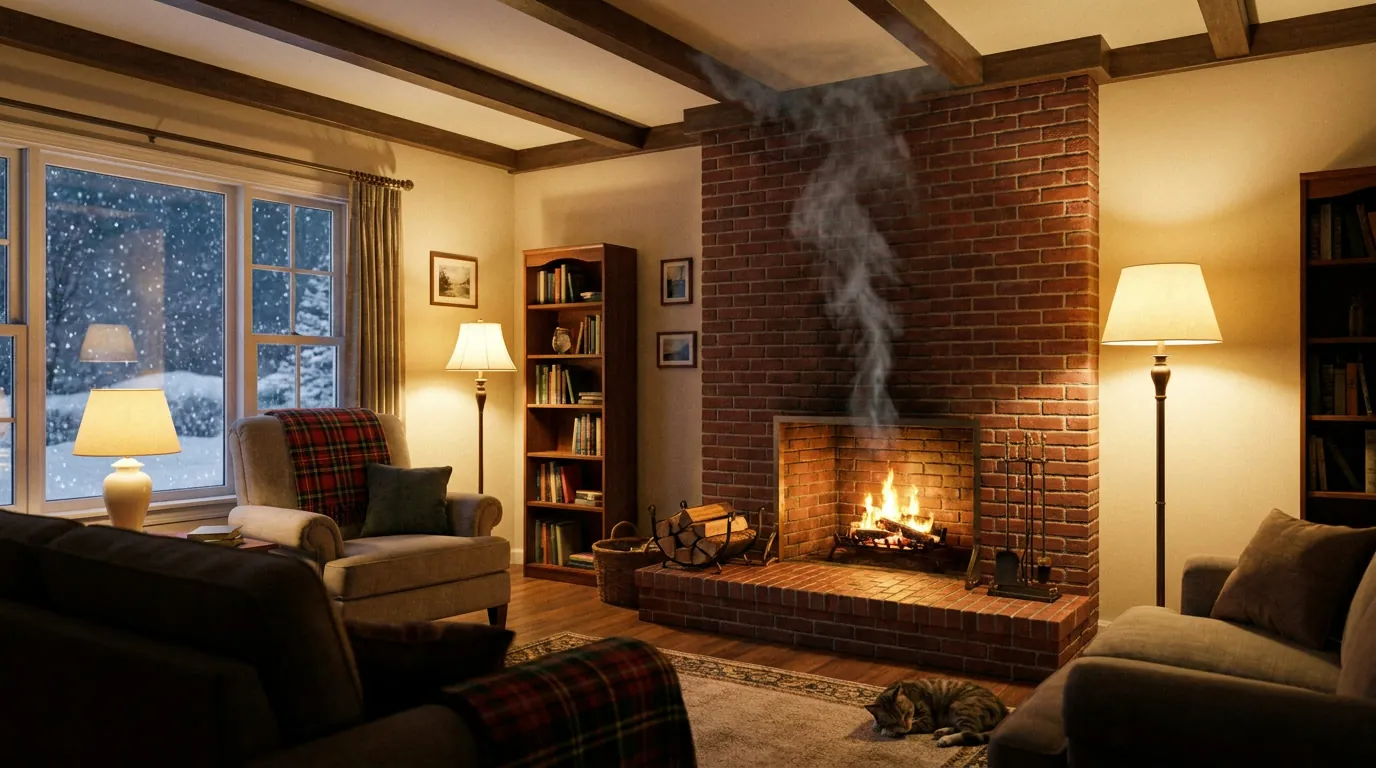


A fireplace usually smokes into the house because something is restricting the exhaust or weakening the chimney’s draft. Common causes are a partly closed damper, a cold flue, negative indoor pressure, wet firewood, a blockage or a chimney configuration that needs correction.
Start with the basics before lighting: open the damper fully, reduce competing exhaust, provide appropriate replacement air and use dry wood. The timing of the smoke then helps narrow down the cause. Startup smoke, windy-weather smoke and smoke that appears when the kitchen hood runs each give you a different clue.
This guide covers wood-burning fireplaces. If your gas unit repeatedly stops, see why a gas fireplace keeps shutting off. Gas appliances and enclosed inserts have their own operating instructions.
What Should You Do If Fireplace Smoke Enters the Room?
Stop adding fuel. If smoke is filling the room, an alarm sounds or anyone feels unwell, get everyone outside and call 911 from outside. Headache, dizziness, nausea or confusion during fireplace use can indicate carbon monoxide exposure.
The U.S. Consumer Product Safety Commission’s carbon monoxide guidance says to move outside when a CO alarm sounds and wait for emergency responders to authorize re-entry. Opening a window is not a substitute for leaving during a suspected CO emergency.
Keep the flue damper open while the fire, embers or ashes remain hot. If you suspect a chimney fire, leave and call 911. Once the incident is over, arrange an inspection if the cause remains unexplained or the smoke keeps returning.
Four Simple Checks Before You Light the Fireplace
Check the damper, exhaust fans, replacement air and firewood before lighting. Make these checks with the fireplace completely cold, as part of normal use of an inspected system with no known defect.
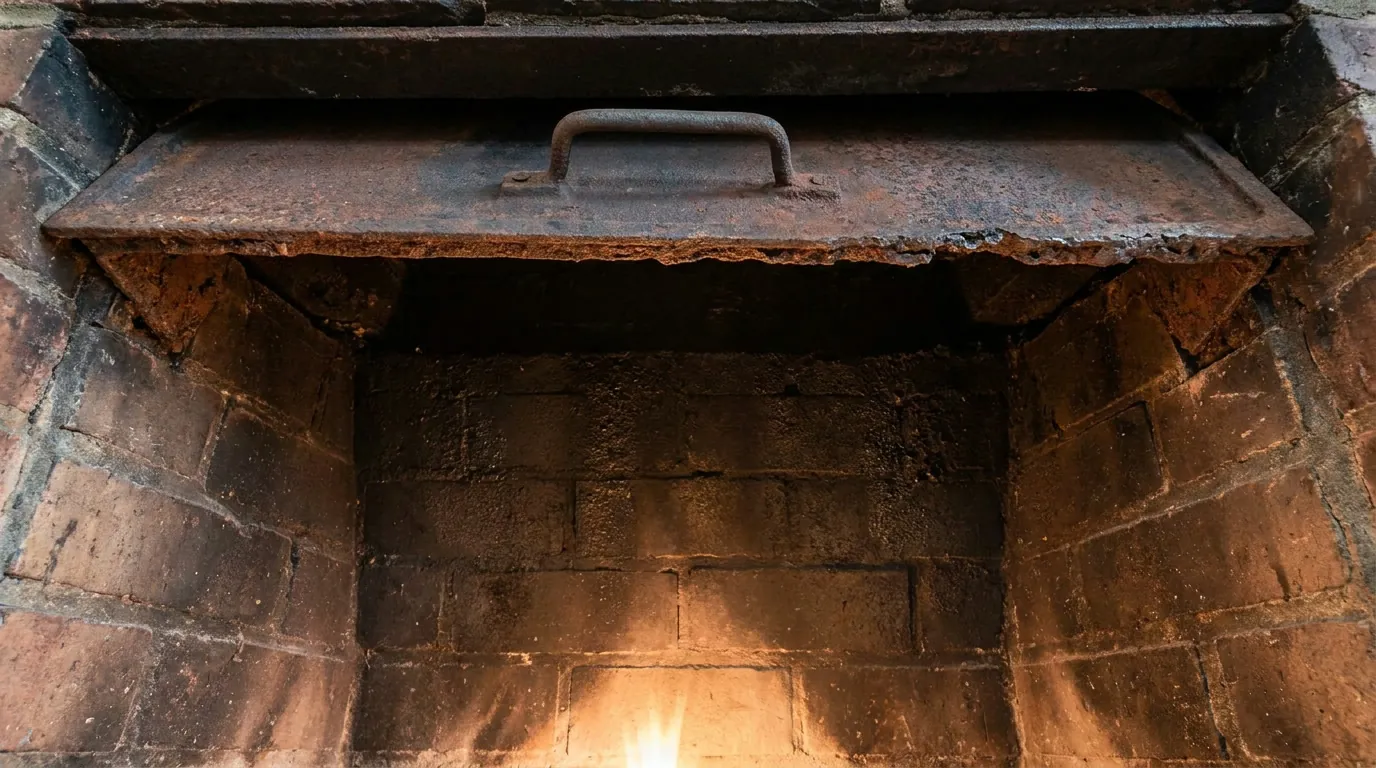
- Open the damper fully and check it with a flashlight. For a visible throat damper, look from the hearth to confirm the plate has opened. With a top-sealing damper, follow its operating instructions. A stuck mechanism needs repair before use.
- Turn off optional exhaust fans before startup. Pause kitchen and bathroom exhaust fans and the dryer when they are not needed. Keep required ventilation and appliance safety systems operating.
- Crack a nearby window where appropriate. For an open wood-burning fireplace, this can supply replacement air during startup. Follow your fireplace’s guidance on window position and outside-air controls.
- Use dry firewood. Choose seasoned wood suitable for the fireplace and check its moisture rather than relying only on appearance.
CSIA’s homeowner guidance specifically recommends checking with a flashlight that the damper is fully open before lighting. If these checks reveal debris or damage, or the fireplace repeatedly smokes, have the system inspected before another fire.
Fireplace Smoking Into the House: Causes at a Glance
When the smoke appears is one of the most useful clues. Use the table to connect what you noticed with the next check or repair.
More than one cause can be present. Wet wood can make a weak-draft problem more noticeable, while an open damper can still leave an obstruction farther up the flue.
Six Reasons a Wood-Burning Fireplace Can Smoke Indoors
Start with operating conditions, then investigate restrictions and system design. This helps match the fix to the cause instead of treating every smoke complaint as a cleaning job.
1. The Damper Is Closed or Not Opening Fully
A partly closed damper narrows the route between the firebox and chimney. Smoke can spill from the opening even when the flue above it is clear.
What helps: Open and visually check the damper while the fireplace is cold. If the handle moves but the plate stays partly closed, the linkage or plate may need repair. Rust, distortion and a sticking mechanism are useful details to report.
Our guide to the different types of fireplace dampers explains throat and top-sealing designs so you can identify which one you have.
2. The Chimney Is Cold and Draft Has Not Established
A cold flue can struggle to establish upward airflow, particularly when house pressure is pulling air down the chimney. That can produce smoke during lighting before the chimney warms.
During Michigan and Massachusetts winters, an exterior chimney exposed to freezing weather may be especially cold before the first fire of the day.
What helps: Open the damper, provide the recommended air supply and follow the fireplace’s lighting procedure. Where the manufacturer includes a flue-warming step, follow that procedure. Avoid gasoline, lighter fluid and other accelerants. Recurring startup smoke is a reason to check draft and air supply.
3. Exhaust Fans Are Creating Negative Pressure
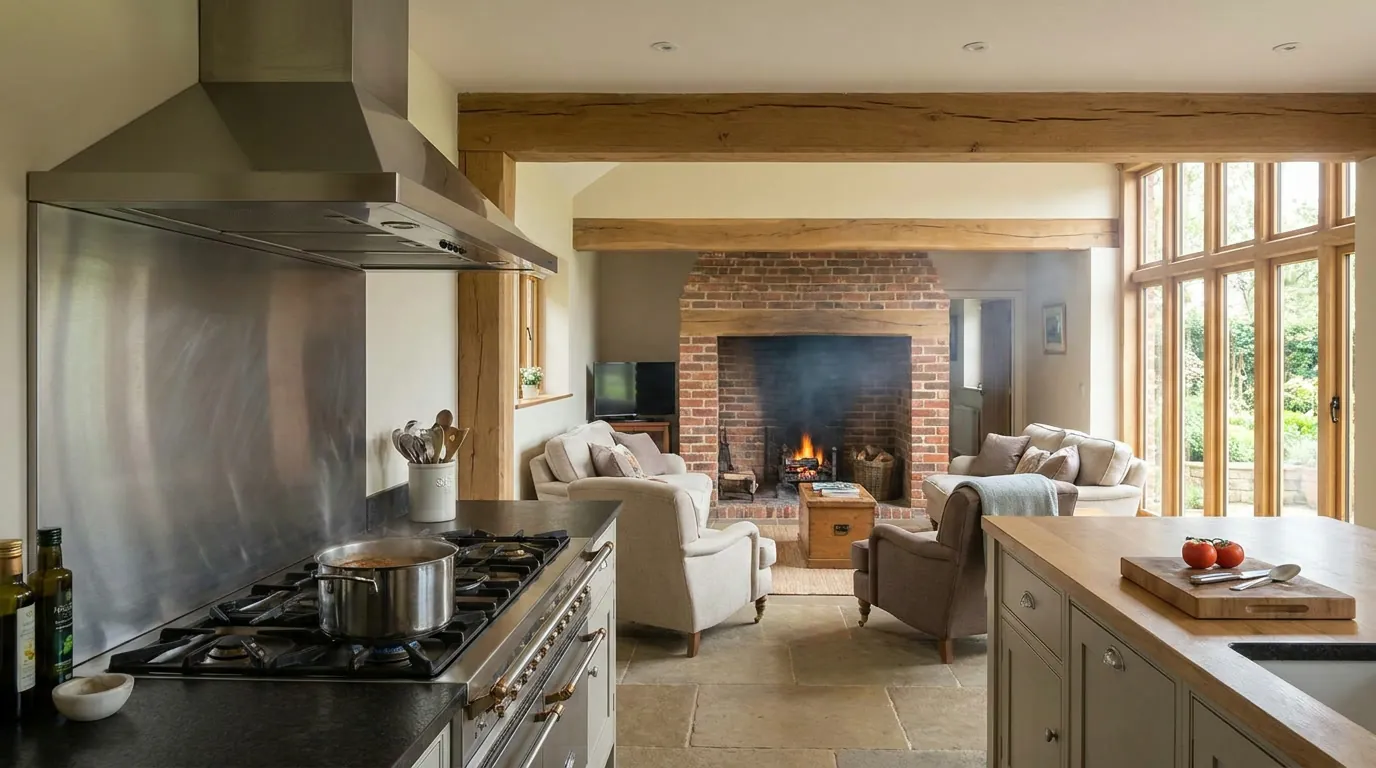
A range hood, bathroom fan or dryer removes air from the house. When replacement air is limited, the chimney can become an incoming air route, competing with the upward flow needed to carry smoke outside.
The Building America Solution Center’s fireplace ventilation guidance explains that naturally drafting fireplaces are particularly vulnerable when the flue is cool, including during startup and as the fire burns down.
What helps: Reduce unnecessary exhaust during startup and follow the replacement-air guidance for your fireplace. If a nearby open window changes the behavior, tell the inspector. That is a useful clue for a pressure assessment.
A lasting solution may involve balancing exhaust and replacement air. Our article on what a chimney draft test can reveal explains the diagnostic process.
4. The Firewood Contains Too Much Moisture
Wet wood spends energy evaporating water, which can produce a cooler, smokier fire. Hissing logs and a fire that struggles to stay established are reasons to check the fuel.
EPA’s archived Burn Wise guidance on wood-burning practices recommends firewood with a moisture content below 20 percent.
What helps: Check your logs with a moisture meter according to its instructions and use dry fuel permitted for your fireplace. Our guide to what not to burn in a fireplace covers packaging, treated wood and other unsuitable materials.
5. Deposits or Debris Are Restricting the Exhaust Route
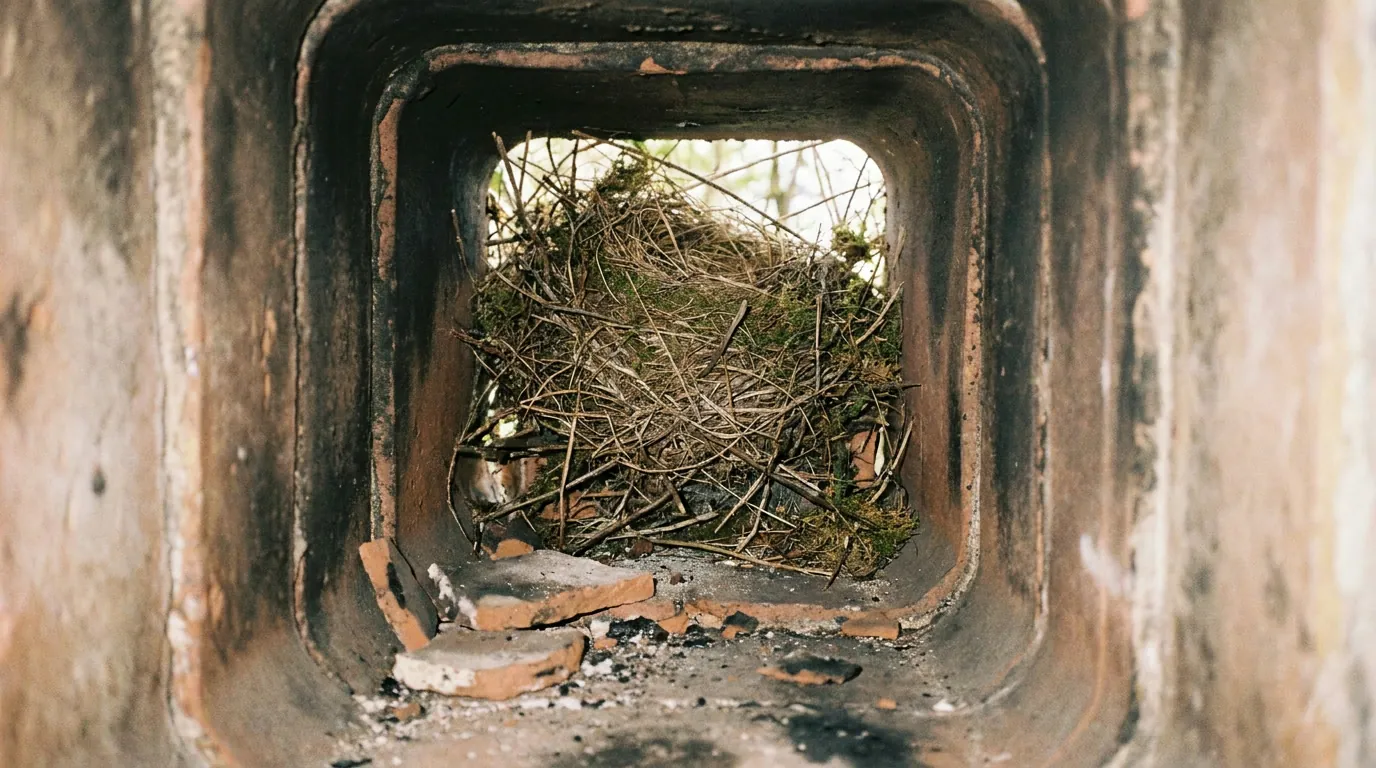
Nesting material, leaves, fallen masonry and heavy deposits can restrict the flue or termination. The firebox may look clear while a restriction remains higher up.
What helps: Have the full exhaust route checked. Professional chimney cleaning addresses removable buildup; broken liner pieces or masonry also require investigation of the damage that produced them.
Scratching sounds, feathers or nesting material point toward a wildlife problem. Read why animals keep coming back to your chimney. Arrange appropriate removal first, then consider chimney cap installation to help prevent re-entry. Leave the fireplace unused while a blockage or animal presence is suspected.
6. Wind or Chimney Configuration Is Affecting Performance
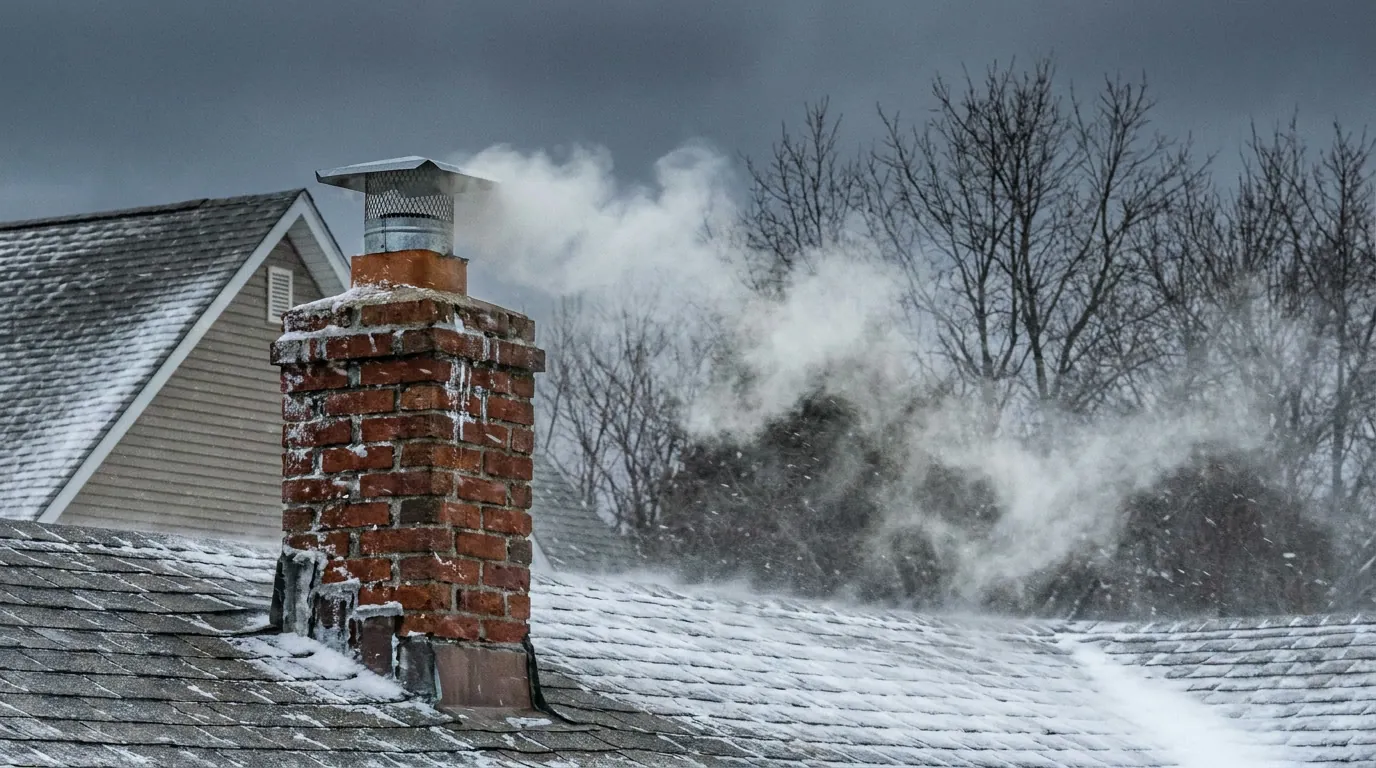
Smoke that appears during gusts can point to pressure around the chimney termination. Persistent draft problems can also involve flue size, chimney height, leaks or the exhaust-path configuration.
Heatilator’s EL36/EL42 owner’s manual discusses wind, nearby structures and chimney configuration in its troubleshooting guidance. It also includes startup advice about exhaust fans and replacement air for those models.
What helps: Have the termination and chimney assessed before choosing a different cap or adding height. Where damaged masonry is part of the problem, chimney repairs should address the specific defect.
What Should You Tell the Chimney Inspector?
Describe when the smoke appeared and what was happening in the house. A clear description helps the inspector choose the right checks.
- Timing: At lighting, during an established fire or as it burned down?
- Weather: Calm, windy, unusually mild or very cold?
- Equipment: Was the kitchen hood, a bathroom fan or the dryer running?
- Fuel: What did you burn, and had its moisture been checked?
- Recent changes: New windows, air sealing, renovation work or a stronger exhaust fan?
- Maintenance: When was the last inspection, and what did the report identify?
Use what you remember from the incident, along with existing photos and service records. There is no need to light another fire to reproduce the problem.
Will Chimney Cleaning Fix the Smoke Problem?
Cleaning can fix a restriction caused by removable deposits. Other causes need their own correction. A damper fault needs attention to the mechanism; a pressure problem needs an airflow assessment.
Ask the contractor what was found, how it explains the smoke and how the proposed work will address it. Depending on the symptoms, the assessment may include the damper, smoke chamber, flue, cap and household ventilation.
Keep annual chimney inspections on the maintenance schedule, with cleaning and repairs based on the findings.
How Much Does It Cost to Fix a Smoking Fireplace?
The cost depends on the cause. Start with the chimney inspection cost calculator to review the assessment options.
If the problem is the damper, see the fireplace damper repair cost calculator. For removable soot or creosote buildup, use the chimney cleaning cost calculator. The inspection determines which work your fireplace actually needs.
Frequently Asked Questions
Why Does My Fireplace Smoke Only When I First Light It?
A cold flue or reversed airflow can delay upward draft. Before lighting, check the damper, dry fuel and the air-supply steps in your fireplace manual. If startup smoke repeatedly returns, arrange a draft and chimney assessment.
Why Is Smoke Coming Inside When the Damper Is Open?
An open damper leaves the exhaust route open at that point, but a restriction farther up, weak draft or negative house pressure can still cause spillage. Inspect the full venting route and assess airflow if the smoke persists.
Does Opening a Window Fix a Smoking Fireplace?
Opening a nearby window can help when a fireplace lacks replacement air. A change in the smoking pattern is a useful clue for the inspector. Repeated dependence on an open window calls for a draft and ventilation assessment. During a CO alarm or smoke-filled-room emergency, leave and call 911.
Why Does My Fireplace Still Smoke After Chimney Cleaning?
The cause may involve the damper, air supply, draft or chimney configuration rather than removable deposits. Ask the service provider what the inspection found and whether further draft or pressure checks are needed before using the fireplace again.
Can Wind Push Fireplace Smoke Into the House?
Yes. Wind can change pressure around the chimney termination and contribute to smoke spillage. Tell the inspector which weather conditions trigger it so the termination and surrounding roof layout can be assessed.
Why Does My Fireplace Smell Smoky When No Fire Is Burning?
Air moving down an unused chimney can carry odors from soot and creosote deposits into the room. Cleaning may reduce the odor source, while persistent downward airflow can require a pressure assessment. Carbon monoxide itself has no smell.
Get the Cause Checked Before Your Next Fire
Repeated smoke, a sudden change in performance or a visible defect calls for an inspection. Request a chimney inspection from Brown Chimney and describe the pattern. Ask whether your symptoms call for draft or pressure testing as well as a physical chimney inspection.


RELATED ARTICLS


Schedule an Inspection Now
with expert chimney care.